
Introduction to Order Picking: Challenges and Opportunities
Order picking represents the backbone of warehouse operations, accounting for up to 55% of total operational costs in most distribution centers. For warehouse managers and logistics professionals, mastering order picking can mean the difference between a profitable operation and one that struggles to meet customer expectations. This guide explores common mistakes in order picking operations and provides actionable strategies to avoid them, with focus on automation, robotics, and software solutions that deliver measurable returns on investment.
Understanding Order Picking
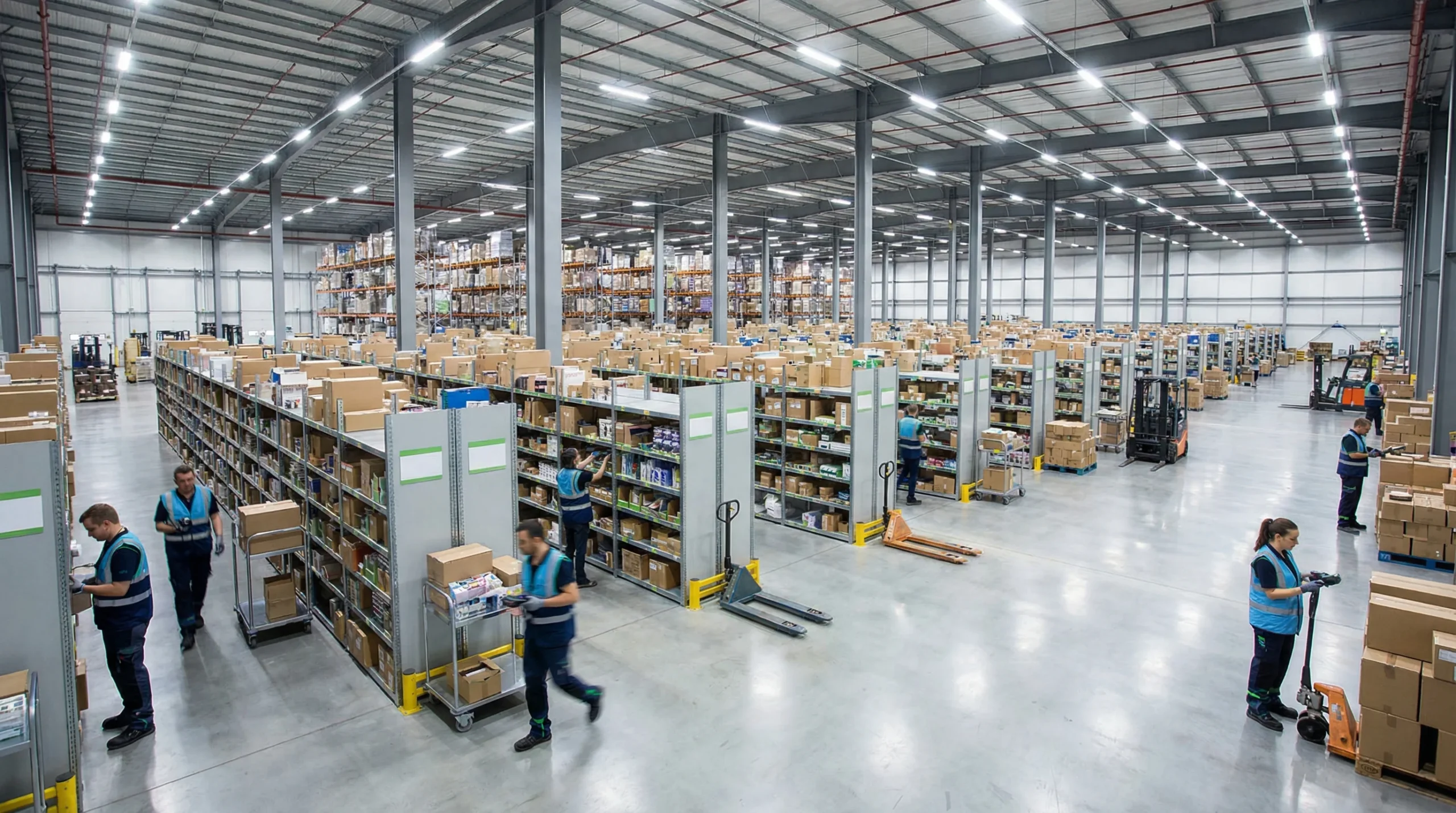
Order picking involves selecting and collecting items from warehouse storage locations to fulfill customer orders. While straightforward in concept, the process involves dozens of variables that dramatically impact efficiency, accuracy, and profitability. From order entry to final quality check, every step presents opportunities for optimization—or costly mistakes.
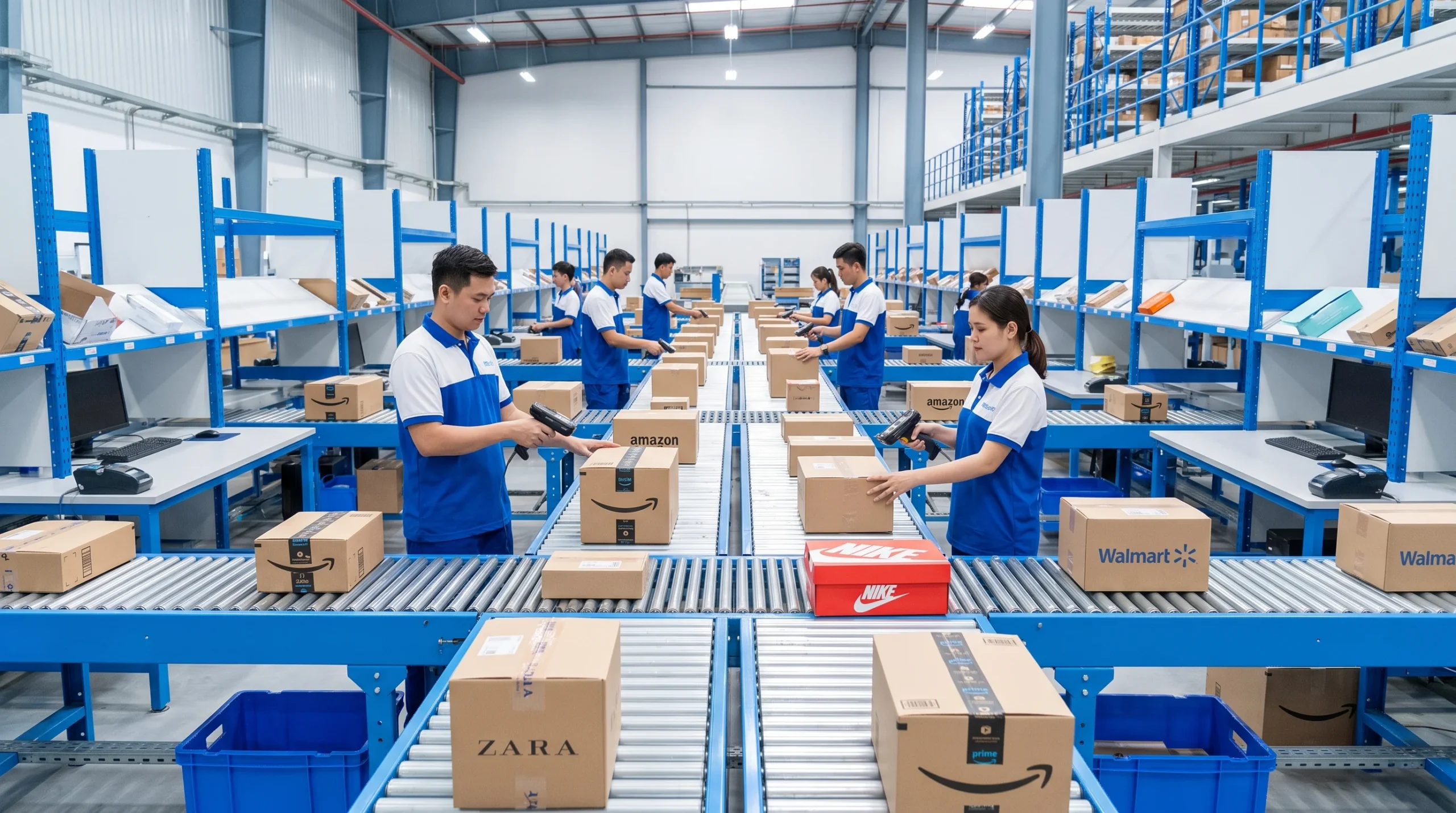
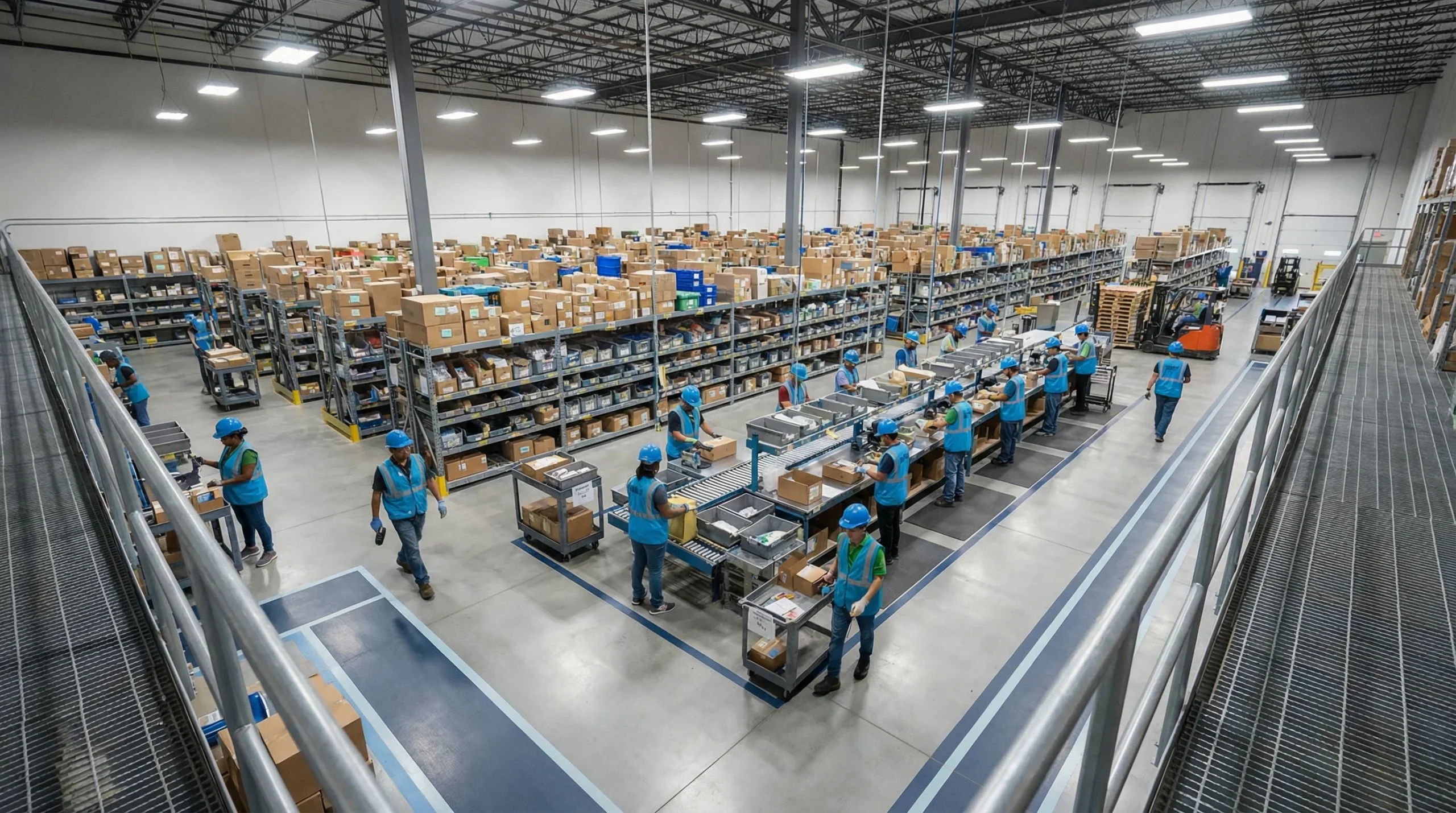
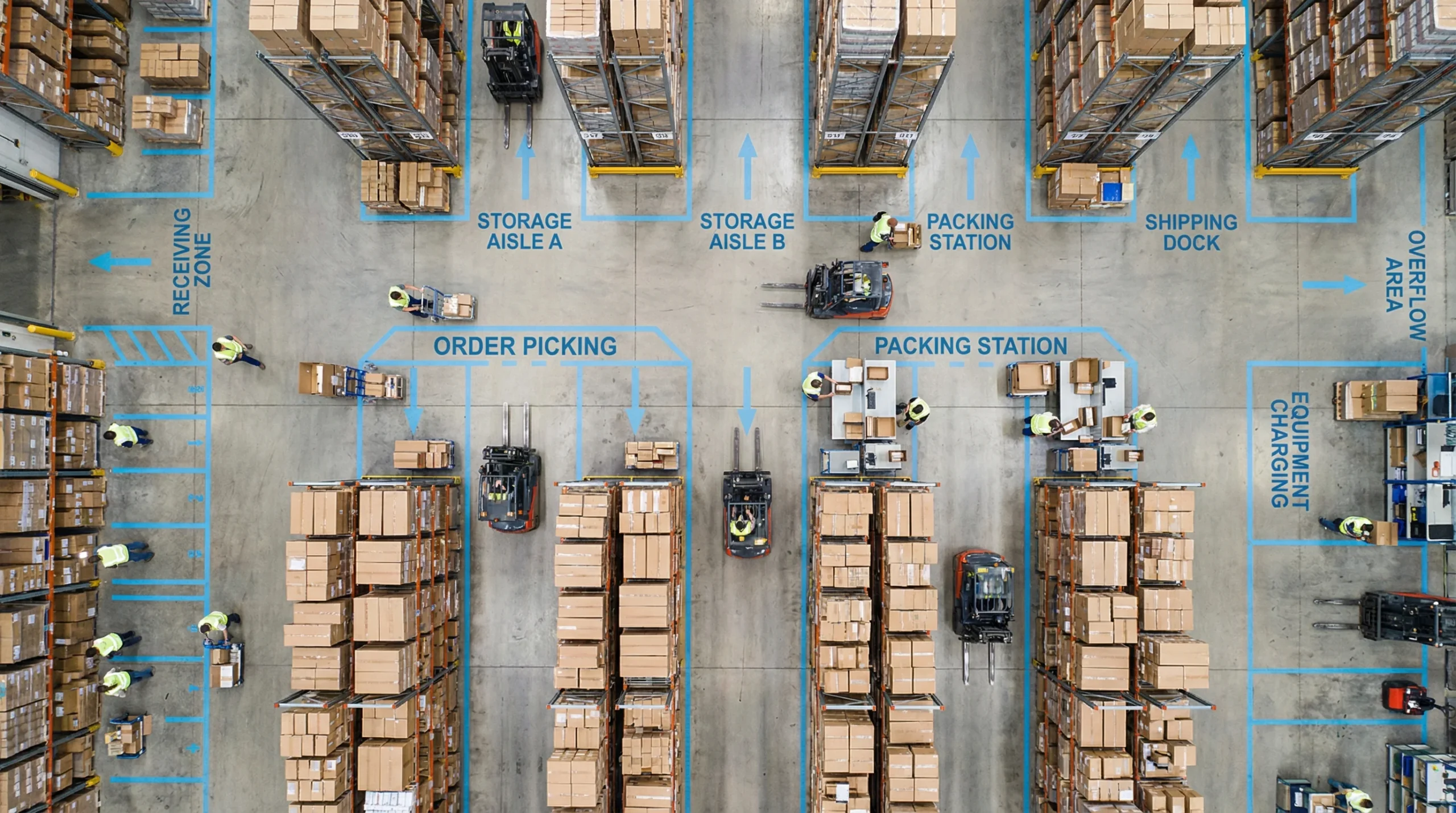
The order picking process follows a structured workflow: workers receive pick lists on paper or digital devices, navigate warehouse aisles, locate products, verify accuracy, collect correct quantities, and transport items to packing stations. Each step contains potential failure points that warehouse managers must address proactively.
Different picking methodologies serve various operational needs. Single order picking offers simplicity but lacks efficiency for high-volume operations. Batch picking reduces travel time but requires careful sorting. Zone picking assigns workers to specific areas, while wave picking groups orders by common characteristics like shipping deadlines.
Many warehouse managers default to single order picking because it requires less coordination. This works for operations handling fewer than 100 orders daily but becomes increasingly inefficient as volume grows. Transitioning to sophisticated picking methods requires investment in training, technology, and process redesign, but productivity gains typically justify costs within months.
Current Challenges in Order Picking
Modern warehouses face unprecedented pressures. E-commerce growth has altered order profiles, with more orders containing fewer items. Customer expectations for same-day or next-day delivery have compressed fulfillment windows. Labor shortages have made finding qualified workers increasingly difficult. Staying current with supply chain industry news helps managers anticipate and adapt to these evolving challenges.
Maintaining accuracy while increasing speed presents a significant challenge. The average warehouse experiences pick error rates between 1% and 3%. Each error requires correction—return shipping, replacement costs, additional labor, and damaged customer relationships. For a warehouse shipping 10,000 orders daily, even a 1% error rate means 100 problems requiring resolution every day.
Labor challenges compound accuracy concerns. High turnover means constant training cycles, with new workers achieving only 60-70% of experienced worker productivity initially. Physical fatigue causes 15-20% productivity drops in final shift hours. Seasonal fluctuations require rapid workforce scaling with unfamiliar temporary workers.
Inventory visibility creates additional obstacles. When workers cannot locate items quickly, they waste time searching or pick incorrect substitutes. These issues stem from inadequate warehouse management software, poor slotting strategies, or inconsistent receiving procedures. Addressing root causes requires systematic analysis and technological solutions providing real-time inventory tracking.
Smarter Warehouse Management Starts Here
From receiving to shipping, SphereWMS gives you real-time visibility and control over every square foot. See how it works for your operation.
Schedule Your Demo
Exploring Order Picking Automation: Benefits and Implementation
Order picking automation has transformed from luxury investment to competitive necessity. The technology spans simple conveyor systems to sophisticated goods-to-person systems bringing products directly to stationary picking stations. Understanding available options helps warehouse managers select solutions matching their requirements and budget.
Key Benefits of Automation
The primary advantage of order picking automation lies in reducing labor dependency while improving accuracy and throughput. Automated systems don’t experience fatigue, don’t require breaks, and maintain consistent performance throughout continuous operation. For warehouses struggling with labor availability, automation provides reliable foundation for meeting demand.
Productivity improvements typically range from 25% to 300% depending on technology and baseline efficiency. Put-to-light systems commonly deliver 50-75% productivity gains compared to paper-based picking. Goods-to-person systems achieve even more dramatic improvements by virtually eliminating travel time.
Accuracy improvements are equally compelling. Automated verification using barcode scanning, RFID, or weight confirmation reduces pick errors below 0.1%—a tenfold improvement over manual processes. This translates into reduced returns, fewer complaints, and lower quality control overhead. For operations serving customers with strict compliance requirements, improved accuracy protects revenue otherwise lost to penalties.
Space utilization often improves as well. Automated storage systems operate in narrower aisles, and vertical solutions capitalize on unused warehouse height. Some operations have reduced footprint by 30-40% after implementing automated storage and retrieval systems.
However, managers frequently underestimate implementation challenges. Automation requires significant upfront capital, extended timelines, and ongoing maintenance expertise. Successful implementations result from planning that considers total cost of ownership rather than just purchase prices.
Steps to Implement Automation
Successful implementation begins with thorough operational analysis. Document existing processes including pick rates, error frequencies, travel patterns, and labor costs. This baseline provides foundation for calculating ROI and identifying areas benefiting most from automation. Exploring types of automated picking systems can help you identify the right technology for your specific operational needs.
Next, profile order characteristics and product attributes. Different technologies suit different profiles. High-velocity items might benefit from automated dispensing. Large, heavy items require different handling than small, lightweight products. Understanding requirements prevents implementing technology that works well for some products but poorly for others.
Vendor evaluation should extend beyond specifications to include implementation support, training, and service capabilities. Request references from similar operations. Visit installations to observe systems in production rather than demonstration. The most expensive equipment often doesn’t represent best value.
Phased implementation produces better outcomes than complete replacements. Pilot projects allow teams to develop expertise before full deployment and identify integration issues before they affect entire operations.
Training is frequently underestimated. Workers need technical skills and understanding of how roles change within automated workflows. Supervisors need troubleshooting capabilities. Maintenance teams need specialized knowledge. Comprehensive training should begin before equipment arrives.
Order Picking Robots: Revolutionizing Warehouse Efficiency
Order picking robots have emerged as one of the fastest-growing automation categories. These systems range from autonomous mobile robots transporting items between locations to sophisticated picking arms capable of identifying and grasping individual products.
How Robots Improve Efficiency
Autonomous mobile robots (AMRs) represent the most commonly deployed category. These wheeled platforms navigate independently, carrying shelving units or totes to stationary picking stations. Workers remain in fixed positions while robots bring work to them, eliminating walking that typically consumes 50-60% of picker time.
Operations using goods-to-person robotic systems commonly report picking rates of 300-400 units per hour per worker, compared to 60-120 units per hour with conventional methods. Fewer workers can handle higher volumes, addressing both cost concerns and labor availability challenges.
Collaborative robots, or cobots, work alongside human workers. They might follow workers carrying picked items or handle specific tasks like label application or palletization. This approach allows incremental automation while maintaining flexibility for exceptions.
Robotic picking arms using computer vision and machine learning can identify products, determine grasp points, and pick items from bins. However, managers should understand current limitations. Robotic picking works well for consistent shapes and rigid packaging but struggles with soft goods, small items, or products requiring careful handling.
The common mistake involves expecting robots to handle 100% of tasks immediately. More realistic implementations deploy robots for suitable categories while maintaining human capabilities for challenging items. This hybrid approach captures efficiency benefits while avoiding frustration with technology that fails for difficult products.
Integration with Existing Systems
Successful robotic deployment requires tight integration with warehouse management software. Robots need real-time information about order priorities, inventory locations, and system status. They generate data about performance and exceptions that systems must capture and utilize.
SphereWMS provides integration capabilities necessary for effective robotic deployment, supporting communication protocols used by major robotics vendors for bidirectional data exchange between warehouse management and robotic equipment.
Physical integration extends beyond software. Robotic systems require specific environmental conditions including floor quality, lighting, and navigation infrastructure. AMRs on uneven flooring experience increased wear and navigation errors. Understanding requirements before purchase prevents costly modifications or performance disappointments.
Workflow integration often requires more attention than technical integration. Receiving procedures might need adjustment to ensure products enter robot-accessible locations. Slotting strategies might require revision. Quality checkpoints might move to different workflow positions.
Maintenance integration deserves attention. Robots require regular service including battery replacement, wheel maintenance, and sensor calibration. Establishing relationships with service providers before deployment prevents extended downtime.
Order Picking Software: Features, Integration, and ROI
Order picking software serves as the brain coordinating all picking activities. The right solution optimizes task allocation, guides worker activities, maintains accuracy controls, and provides visibility into performance. Understanding essential features helps managers evaluate options and avoid selection mistakes.
Essential Features of Order Picking Software
Intelligent work allocation represents the most critical capability. Effective software analyzes incoming orders, available resources, and warehouse conditions to create optimal pick sequences considering item locations, priorities, deadlines, and worker assignments. Poor allocation results in excessive travel, missed deadlines, and unbalanced workloads.
Real-time directed picking provides workers with specific instructions for each task. Rather than static lists leaving navigation to discretion, directed picking guides workers along efficient paths. Instructions appear on mobile devices, voice headsets, or light displays, ensuring consistent performance regardless of worker experience.
Verification and accuracy controls prevent errors before occurring. Barcode scanning confirms correct items and quantities. Weight verification identifies discrepancies. Image capture documents order contents for dispute resolution. These controls add marginal time but prevent larger costs from shipping errors.
Inventory visibility ensures workers locate items reliably. Software must maintain accurate records of locations, quantities, and status, supporting efficient reconciliation when discrepancies occur. Integration with receiving, putaway, and cycle counting maintains data accuracy.
Performance analytics transform data into actionable insights. Effective software tracks productivity, identifies bottlenecks, and highlights improvement opportunities. Dashboards provide real-time visibility while historical reporting supports planning. These capabilities enable continuous improvement.
Maximizing ROI with Software
Return on investment depends heavily on implementation quality rather than just software selection. Even the best software delivers disappointing results when configuration doesn’t match requirements, training proves inadequate, or optimization receives insufficient attention. Consulting logistics management resources can provide valuable insights into best practices for software implementation.
Configuration represents the first opportunity for value creation. Order picking software offers extensive parameterization controlling picking methodology to exception handling. Using default settings rather than optimizing for your operation leaves significant value unrealized. Thorough configuration typically pays back many times over.
SphereWMS implementation services include detailed operational analysis ensuring configuration matches requirements. This analysis examines order profiles, product characteristics, facility layout, and business rules to determine optimal settings, typically delivering 15-25% better performance than generic implementations.
Training investments correlate directly with value realization. Workers who understand capabilities use features less-trained colleagues ignore. Supervisors interpreting performance data make better decisions. Administrators adjusting parameters maintain optimal performance over time.
Ongoing optimization ensures value increases rather than decreases. Operations change—new products, customers, requirements—and configuration should evolve accordingly. Regular reviews identify adjustment opportunities. Warehouses treating implementation as one-time projects see diminishing returns as operations drift from optimal configuration.
Integration with other systems extends value beyond warehouse boundaries. Order management, transportation management, and ERP systems contain data relevant to picking optimization. Bidirectional integration enables software to consider carrier schedules and service levels when prioritizing work.
Comparative Analysis of Order Picking Solutions
Warehouse managers face choices among process optimization, software implementation, automated equipment, and robotic systems. Understanding comparisons helps organizations allocate investment effectively.
Comparing Automation, Robots, and Software
Process optimization and software implementation represent lowest-cost entry points. These approaches require investments in tens of thousands rather than millions, with implementation spanning weeks to months. For warehouses with significant inefficiencies, software-driven improvements often deliver best initial ROI by eliminating waste before adding technology.
Software-only approaches have limitations. Workers can only walk so fast, and inefficient layouts impose travel time that software can reduce but not eliminate. Once software captures available improvements, further gains require physical changes to workflow.
Automated equipment including conveyors, sortation, and automated storage provides the next capability level. These systems physically move products, reducing worker travel and handling. Capital requirements range from hundreds of thousands to several million dollars, with implementation extending six months or longer.
Conventional automation’s advantage involves proven reliability. Conveyor and sortation systems have operated for decades with well-understood maintenance requirements and widely available service providers. For operations with predictable requirements and sufficient volume, conventional automation often provides the most reliable efficiency path.
Order picking robots offer newer capabilities with different trade-offs. Robotic systems typically require lower initial capital than equivalent conventional automation because they don’t require fixed infrastructure. Deployment timelines can be shorter. Scalability proves more flexible since organizations add robots incrementally.
However, robotic systems introduce different risks. Technology continues evolving rapidly, raising obsolescence questions. Service infrastructure remains less developed. Performance claims don’t always match real-world results. Organizations should investigate thoroughly rather than accepting marketing claims uncritically.
Case Studies: SphereWMS Success Stories
A mid-sized e-commerce operation processing 5,000 orders daily using paper-based picking illustrates integrated improvement approaches. Analysis identified excessive travel time, high error rates, and significant labor costs as primary concerns.
Phase one focused on SphereWMS implementation with directed picking and batch optimization. Workers received mobile devices with real-time instructions, and the system grouped orders to reduce travel. Within three months, picks per hour increased from 85 to 140—a 65% improvement without physical automation. Accuracy improved from 97.2% to 99.4%, reducing error costs by approximately $15,000 monthly.
Phase two added put-to-light technology for highest-velocity products representing 40% of picks. Workers batch-picked items, then used illuminated displays for sorting. Productivity increased to over 250 picks per hour while maintaining accuracy. The combined approach delivered ROI payback within 14 months.
A third-party logistics provider handling multiple clients with different product characteristics offers another perspective. Their approach emphasized SphereWMS configuration flexibility to support client-specific workflows within a single warehouse. The implementation included zone-based picking for bulk products, wave-based picking for parcel orders, and single-order picking for high-value items. This flexibility enabled serving diverse client requirements without dedicated resources for each account, improving profitability while maintaining service levels.
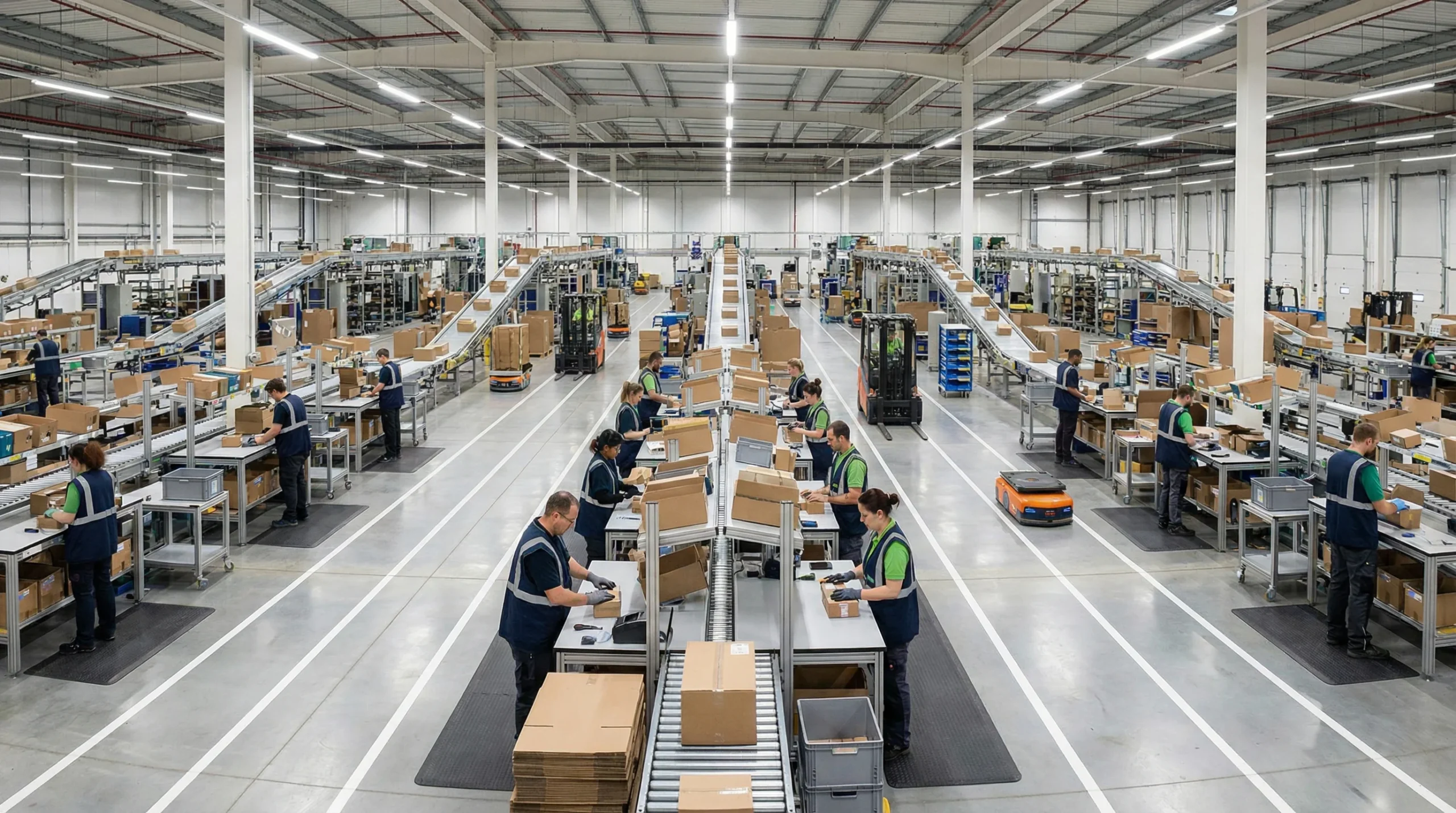
Future Trends in Order Picking Technology and SphereWMS’s Role
Technological change in warehouse operations continues accelerating. Warehouse managers benefit from understanding trends while maintaining realistic expectations about implementation timelines and practical applicability.
Emerging Technologies
Artificial intelligence and machine learning are increasingly embedded in warehouse management systems. Algorithms analyze historical data to predict demand patterns, optimize inventory placement, and improve pick sequence decisions. These systems improve over time, potentially delivering ongoing efficiency gains without additional investment.
Computer vision enables applications from inventory counting to robotic picking guidance. Cameras with image recognition can identify products and verify picks without barcode scanning, reducing transaction time while improving accuracy. Implementation complexity currently limits adoption to specific applications.
Wearable technology offers potential productivity and ergonomics improvements. Smart glasses could overlay pick instructions onto worker field of view. Exoskeletons might reduce physical strain from repetitive lifting. These technologies remain in early adoption stages.
Autonomous mobile robots continue advancing while declining in cost, enabling deployment in operations that couldn’t previously justify robotic investment. Smaller organizations are exploring solutions that would have been economically impractical just years ago.
SphereWMS’s Innovative Solutions
SphereWMS maintains development programs incorporating emerging technologies while ensuring practical applicability. Platform architecture supports integration with new devices and systems as they become commercially viable, protecting customer investments against obsolescence.
Current initiatives focus on enhanced analytics using machine learning. These tools analyze operational data to identify optimization opportunities that might escape human notice. Organizations report continuous improvement gains averaging 3-5% annually beyond initial implementation benefits.
Integration capabilities continue expanding to support diverse technology ecosystems. SphereWMS connects with growing ranges of automation vendors, robotics platforms, and specialized devices. This flexibility ensures customers select best-fit technology rather than limiting choices to pre-approved vendors.
Cloud deployment provides scalability and accessibility for distributed operations. Organizations deploy SphereWMS across facilities with centralized visibility and standardized processes. Automatic updates ensure installations benefit from latest capabilities without complex upgrade projects.
SphereWMS professional services provide implementation support, training, and ongoing optimization that transforms software capabilities into operational results. Technology alone delivers limited value without expertise to configure, deploy, and optimize effectively. The combination of advanced software with experienced support positions customers for success in the evolving warehouse technology landscape.
For warehouse managers seeking to improve order fulfillment efficiency, the path forward combines thoughtful technology selection with disciplined implementation and ongoing optimization. Order picking improvements don’t require revolutionary changes—incremental enhancements systematically applied deliver substantial cumulative benefits. The key lies in avoiding common mistakes, selecting appropriate technologies, and maintaining commitment to continuous improvement. Ready to transform your warehouse operations? Contact SphereWMS today to discuss how our solutions can optimize your order picking processes. For more insights on warehouse management best practices, explore our blog for additional resources and guides.
Frequently Asked Questions
What is order picking in a warehouse?
Order picking in a warehouse involves selecting items from storage to complete customer orders. It’s a critical process that affects efficiency, accuracy, and costs. Workers follow a structured workflow, using pick lists to gather items. Various methods like batch, zone, and wave picking cater to different operational needs.
How does order picking impact warehouse costs?
Order picking significantly impacts warehouse costs, accounting for up to 55% of operational expenses. Efficient picking methods can reduce these costs by minimizing errors and improving productivity. Investment in technology and training often leads to measurable savings within months. For example, automation can streamline processes and reduce labor demands.
What are common mistakes in order picking?
Common mistakes in order picking include inefficient workflows and high error rates. These mistakes can lead to increased costs and customer dissatisfaction. Solutions involve adopting advanced picking methods and technologies. For instance, transitioning from single order picking to batch or wave picking can improve efficiency.
How can automation improve order picking?
Automation can enhance order picking by increasing speed and accuracy while reducing labor costs. It involves using robotics and software to streamline operations. Automation helps manage complex workflows and reduces the chance of human error. Warehouses often see a quick return on investment with these technologies.
What challenges do modern warehouses face in order picking?
Modern warehouses face challenges like labor shortages and compressed delivery windows in order picking. E-commerce growth has increased demand for faster, more accurate fulfillment. High error rates can damage customer relationships and incur additional costs. Solutions include adopting new technologies and optimizing existing processes to meet customer expectations.