
A well-functioning warehouse is an essential part of any successful supply chain. This is because warehouses play a number of key roles in ensuring the smooth flow of goods and materials through the supply chain, from supplier to customer. Warehousing can provide a number of important benefits to businesses, including increased efficiency, cost savings, and improved customer service.
In order to get the most out of your warehousing operation, it is essential to understand these roles and benefits and select the right warehouse management system (WMS) software. In this article, we’ll discuss the critical roles warehousing plays in supply chain management and the benefits it provides. We’ll also explain the importance of warehousing software, like SphereWMS, and how it can improve warehousing performance, efficiency, and profitability.
Key Roles Warehousing Provides Within Supply Chains
Warehousing is a vital link in the supply chain. Warehouses connect suppliers with customers and play a key role in ensuring goods and materials flow smoothly through the supply chain. There are several clear roles that warehouses play in supply chains. However, there are additional functions that may not be as obvious but are just as important.
Safe and Secure Storage
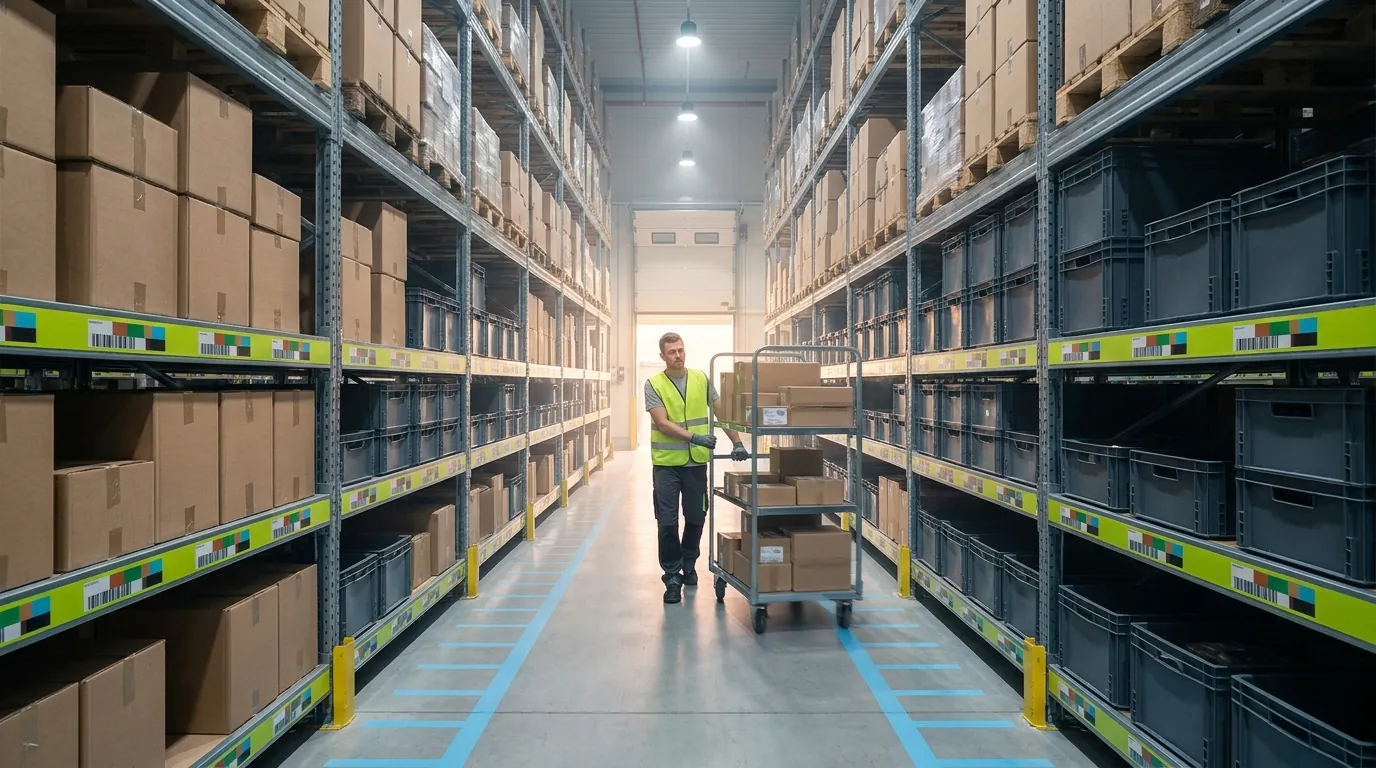
One of the most important roles warehouses play in the supply chain is providing safe and secure storage for goods and materials. This is essential to protecting inventory from damage, theft, or loss.
Of course, storage space is essential for inventory requirements. This storage space enables businesses to maintain adequate levels of stock to meet customer demand. Without warehouses, businesses would need to store inventory either on-site at their production facility or at the customer’s location. This would be impractical and would likely lead to increased costs and decreased efficiency.
Strategic Location
The location of a warehouse in proximity to a supply route is also highly important in supply chain management. Businesses can minimize shipping costs and transit times by strategically locating warehouses near key markets or transportation hubs. This means inbound and outbound shipments arrive and depart the warehouse quickly and efficiently. Location can be a make-or-break factor in choosing a warehousing partner because it can have a significant impact on the bottom line.
Order Fulfillment
Warehouses are also responsible for fulfilling customer orders. When a customer places an order, it is the warehouse’s job to pick, pack, and ship the order to the customer. This process requires careful coordination and planning to ensure that orders are fulfilled accurately and on time. Many businesses that rely on logistics process outsourcing benefit from streamlined order fulfillment processes, as outsourcing partners often utilize advanced warehouse management systems (WMS) to reduce errors and improve efficiency.
inventory management solutions
Effective warehouse inventory management guide is essential to the success of any supply chain business. Warehouses play a key role in inventory management, tracking inventory levels, and ensuring that stock is replenished when needed.
As one of the leading inventory management systems, SphereWMS helps businesses effectively manage their inventory by providing real-time visibility into stock levels, automating reordering processes, and generating reports on inventory trends. This information can be used to make informed decisions about stocking levels, production schedules, and customer demand.
Technology Trends Reshaping Warehouse Operations
Automation and Robotics Integration
Modern warehouses are increasingly adopting automation technologies to enhance efficiency and reduce labor costs. Automated storage and retrieval systems (AS/RS) can increase storage density by up to 85% while reducing picking errors by 99.9%. Robotic picking systems, autonomous mobile robots (AMRs), and conveyor systems are transforming how goods move through facilities.
Key automation technologies driving change include:
- Pick-and-pack robots: Handle repetitive tasks with consistent accuracy
- Automated guided vehicles (AGVs): Transport materials without human intervention
- Voice-directed picking: Reduces picking errors by 25-30% compared to paper-based systems
- Smart sortation systems: Process up to 15,000 items per hour with 99.95% accuracy
Internet of Things (IoT) and Real-Time Visibility
IoT sensors and connected devices provide unprecedented visibility into warehouse operations. Temperature sensors ensure cold chain integrity for pharmaceutical and food products, while RFID tags and smart labels track inventory movement in real-time. This connectivity enables predictive maintenance, reducing equipment downtime by up to 50%.
Warehouse IoT applications include environmental monitoring, asset tracking, and equipment performance optimization. Real-time data collection supports dynamic decision-making and helps identify bottlenecks before they impact operations.
Sustainable Warehousing Practices and Green Supply Chain Benefits
Energy Efficiency and Environmental Impact Reduction
Sustainable warehousing practices deliver both environmental benefits and cost savings. LED lighting systems can reduce energy consumption by 75% compared to traditional fluorescent fixtures, while smart HVAC systems optimize temperature control based on occupancy and activity levels.
Effective sustainability initiatives include:
- Solar panel installation: Can offset 60-80% of warehouse electricity consumption
- Electric vehicle charging stations: Support fleet electrification goals
- Waste reduction programs: Minimize packaging waste through right-sizing strategies
- Water conservation systems: Reduce water usage by 30-40% through recycling and efficiency measures
Sustainable Packaging and Materials Handling
Green warehousing extends to packaging optimization and materials handling practices. Reusable containers, biodegradable packaging materials, and optimized packaging sizes reduce environmental impact while often lowering shipping costs. Many warehouses now implement zero-waste-to-landfill programs and partner with recycling facilities to properly dispose of packaging materials.
Sustainable materials handling equipment, including electric forklifts and energy-efficient conveyor systems, further reduces the carbon footprint of warehouse operations while maintaining productivity standards.
Distribution Services
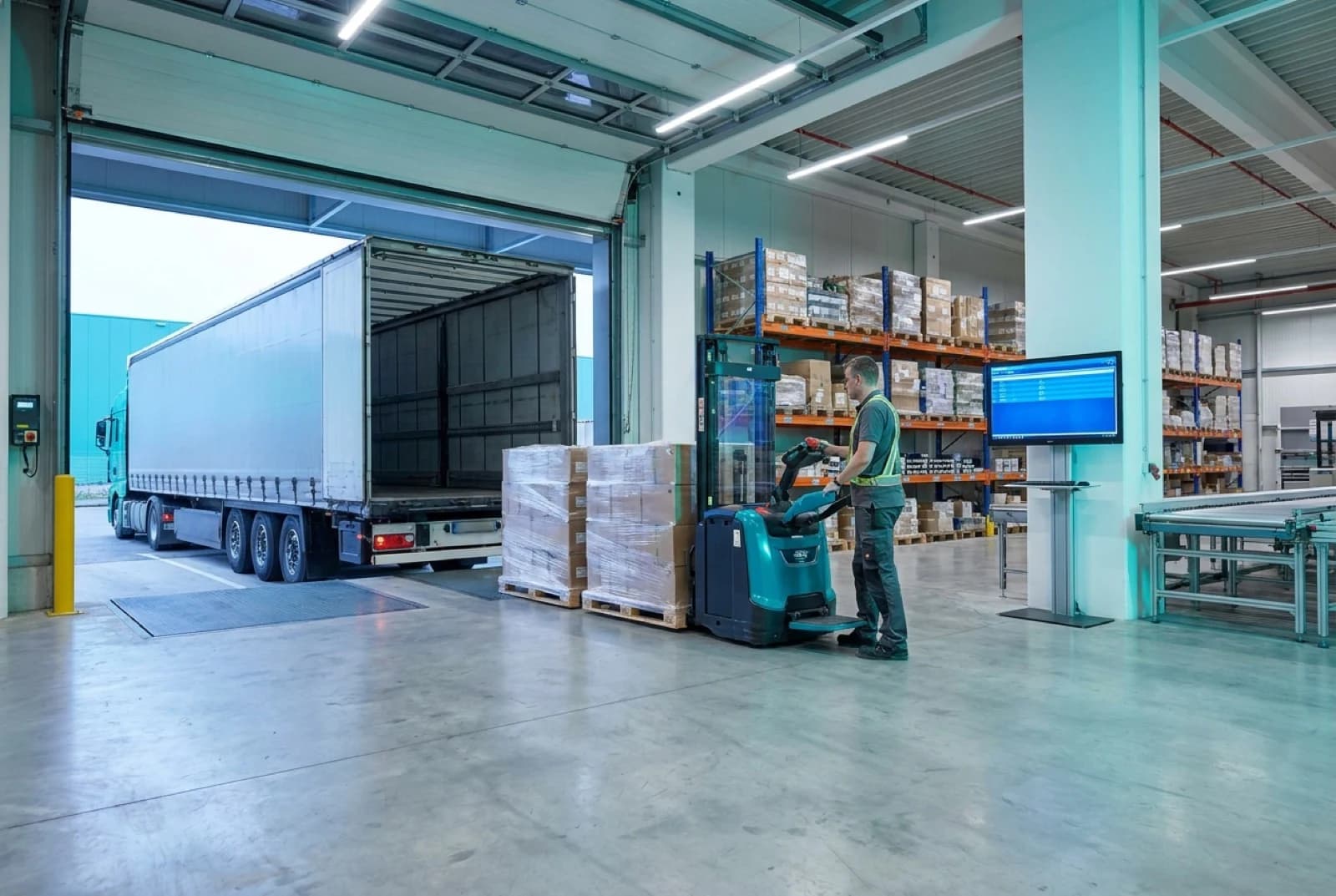
Distribution warehouses play a key role in the distribution of goods and materials, ensuring that they are delivered to the correct destination in a timely manner. This process requires careful coordination and planning to ensure that goods are delivered safely and on time.
A good WMS will help supply chain businesses effectively manage their distribution operations by providing real-time visibility into stock levels, automating reordering processes, and generating reports on inventory trends. This information can be used to make informed decisions about stocking levels, production schedules, and customer demand.
Value-Added Services
In addition to the key roles that warehouses play in supply chains, they also provide a number of value-added services that can improve efficiency and profitability.
These additional warehousing services include:
- Packing and assembly
- Labeling and tagging
- Kitting and bundling
- Inspection and quality control
- Repair and maintenance
- Customization and personalization
- Returns processing
- Recycling and disposal
These value-added warehousing services can help businesses to improve their operations, save time and money, and better meet the needs of their customers.
Advantages and Benefits of Warehousing in Supply Chains
In addition to the key roles that warehouses play in supply chains, there are also a number of important benefits that warehousing can provide.
Improved Efficiency
A well-run warehouse operation is typically more efficient than other storage options, such as on-site storage or customer storage. This is because warehouses are designed and built specifically for storing and shipping goods. They are also typically located in close proximity to transportation hubs, which reduces travel time and increases efficiency.
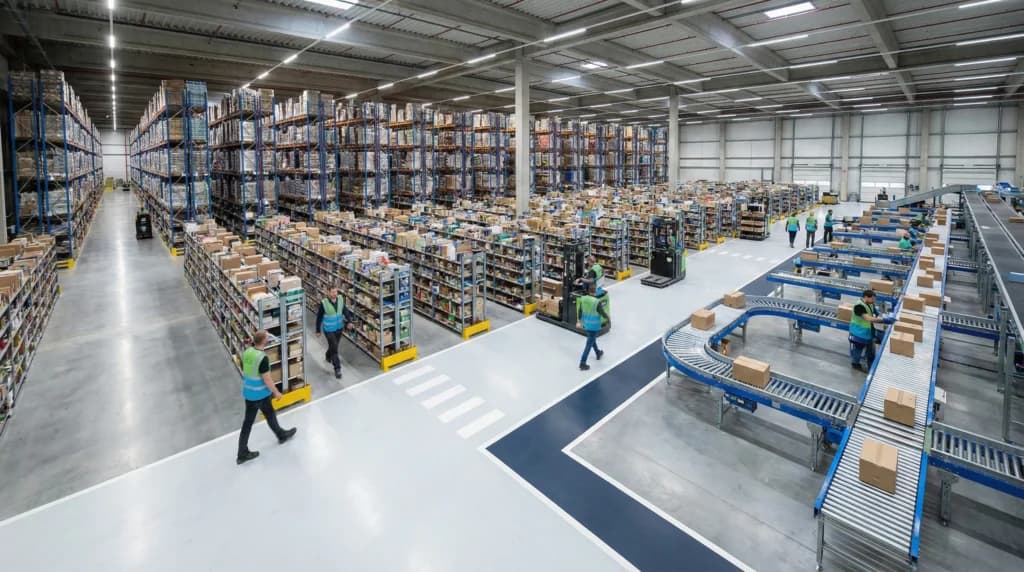
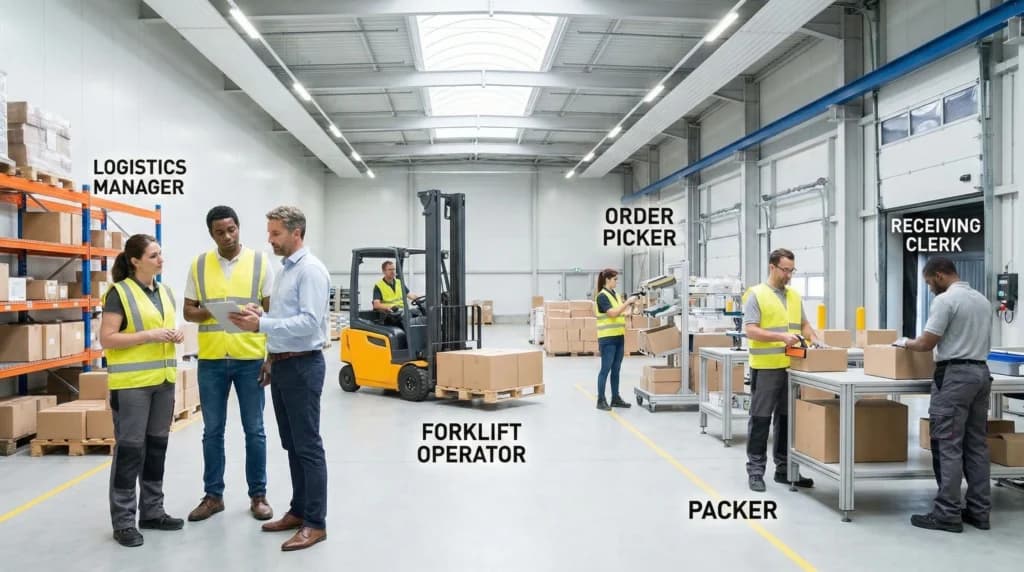
In addition, warehouses use specialized equipment, such as conveyor belts and forklifts, to move goods quickly and efficiently. And, most importantly, warehouses are managed by experienced professionals who are trained in the best practices for storing and shipping goods.
Cost Savings
Another important benefit of supply chain warehousing is the cost savings it can provide. By outsourcing storage and shipping to a warehousing partner, businesses can save on the costs of building and maintaining their own storage facilities. In addition, they can often negotiate lower rates for transportation and other logistics services.
Improved Customer Service
Customer service is another important benefit of efficiently run supply chain warehousing. This is because warehouses can help businesses keep inventory levels optimized, which minimizes stock-outs and ensures that products are always available when customers need them.
In addition, warehouses can provide value-added services that improve the customer experience, such as gift wrapping, product customization, and returns processing.
Flexibility and Scalability
Another important benefit of warehousing within the supply chain is flexibility and scalability. This is because when using third-party warehousing, warehouse capacity can be easily expanded or minimized to meet the changing needs of businesses.
This is in contrast to on-site storage, which is often inflexible and difficult to expand. It’s also usually more cost-effective to work with a warehousing provider than renting or buying additional space when businesses need it.
Reduced Risk
Finally, warehousing can help to reduce risk in the supply chain. This is because warehouses provide a safe and secure environment for storing goods and backup inventory. They also have sophisticated security systems, which help to protect against theft and damage.
In addition, warehouses are typically insured, which protects businesses against loss in the event of a fire, flood, or other disaster.
The Importance of Warehousing Software
It’s important to note that in order to realize these benefits, businesses need to have the right warehouse management system overview (WMS) in place. A WMS is a software application that helps businesses manage their warehouse operations, including inventory management, order fulfillment, and shipping. A good WMS will help warehousing and distribution services improve efficiency, optimize inventory levels, and provide better customer service.
SphereWMS for Warehousing Supply Chain Management
SphereWMS is a leading provider of warehouse management software. Our software is designed to help businesses manage their warehouses more effectively and improve their overall supply chain performance.
Powerful features for warehouse operators include:
- inventory management features
- Order Fulfillment
- Shipping & Transportation Management
- Returns processing
- Reporting & Analytics
- Asset tracking
- And much more
For businesses looking to improve their supply chain warehousing, SphereWMS is the ideal solution. SphereWMS is designed to be scalable and flexible, so it can grow with your business.
To learn more about how SphereWMS can help your business, contact us today. We’ll be happy to answer any questions you have and provide you with a free demo of our software.
Integration Challenges and Solutions in Modern Warehousing
The role of warehouse management system technology becomes particularly critical when addressing integration challenges across complex supply chains. Modern warehouses must seamlessly connect with multiple systems including enterprise resource planning (ERP), transportation management systems (TMS), and supplier portals to maintain operational efficiency.
Common Integration Obstacles
Many organizations struggle with data silos that prevent real-time visibility across their supply chain management warehousing operations. Legacy systems often lack the APIs necessary for smooth data exchange, creating bottlenecks in information flow. Key integration challenges include:
- Inconsistent data formats between warehouse and ERP systems
- Limited real-time communication with carrier systems
- Manual data entry requirements that increase error rates
- Delayed inventory updates across multiple sales channels
Strategic Integration Approaches
Successful distribution and warehousing management requires a phased integration strategy that prioritizes critical data flows. Organizations should focus on establishing real-time connections between inventory systems and order management platforms first, as these directly impact customer satisfaction. Cloud-based warehouse management systems offer pre-built connectors that significantly reduce integration complexity and deployment time.
Advanced integration capabilities enable automatic synchronization of inventory levels, order status updates, and shipping notifications across all connected systems. This seamless data flow eliminates manual processes and reduces the risk of overselling or stockouts that can damage customer relationships.
Performance Metrics and Continuous Improvement in Warehouse Operations
Effective warehouse operations depend on systematic measurement and optimization of key performance indicators (KPIs) that directly impact supply chain efficiency. Modern logistics and warehouse operations require comprehensive tracking of both operational and financial metrics to identify improvement opportunities.
Essential Warehouse KPIs
Leading warehouse operations monitor specific metrics that provide insight into operational efficiency and customer service levels. Critical performance indicators include:
- Order accuracy rate: Measures the percentage of orders shipped without errors, with top-performing facilities achieving 99.5% or higher
- Pick productivity: Tracks items picked per hour per employee, enabling workforce optimization and training identification
- Dock-to-stock time: Measures receiving efficiency from truck arrival to inventory availability
- Inventory turnover ratio: Indicates how effectively warehouse space and working capital are utilized
Implementing Continuous Improvement Programs
High-performing scm warehouse operations establish systematic improvement processes that leverage data analytics to identify optimization opportunities. Regular performance reviews should compare current metrics against industry benchmarks and historical performance to prioritize improvement initiatives.
Warehouse management systems provide detailed analytics that reveal patterns in operational inefficiencies, such as congestion in specific pick zones or seasonal variations in processing times. These insights enable proactive adjustments to staffing levels, layout optimization, and process refinements that maintain peak performance during demand fluctuations.
Successful improvement programs also incorporate employee feedback and suggestions, as frontline workers often identify practical solutions that may not be apparent from data analysis alone. Regular training programs ensure that staff can effectively utilize new processes and technologies as they are implemented.
Conclusion
As you can see, warehousing plays a vital role in supply chain management, providing many important benefits that can help businesses to improve their overall performance. In order to realize these benefits, however, businesses need to have the right cloud warehouse management system (WMS) in place.
SphereWMS is a leading provider of warehouse management software that is designed to help businesses improve their warehousing and supply chain operations.
To learn more about how SphereWMS can help your business, contact us today.
Frequently Asked Questions
What is the primary role of warehousing in supply chain management?
Warehousing serves as the critical buffer between production and consumption in supply chains. It enables businesses to store inventory strategically, consolidate shipments from multiple suppliers, and fulfill customer orders efficiently. Modern warehouses also provide value-added services like kitting, labeling, and quality inspection that enhance product readiness for end customers while reducing lead times.
How does warehouse location affect supply chain efficiency?
Strategic warehouse placement minimizes transportation costs and delivery times to target markets. Companies often use a hub-and-spoke model with central distribution centers and regional fulfillment locations. Location decisions should consider proximity to suppliers and customers, labor availability, real estate costs, and transportation infrastructure including highways, ports, and airports.
What are the different types of warehouses used in supply chain operations?
Supply chains utilize various warehouse types including distribution centers focused on rapid order fulfillment, cross-dock facilities for immediate transfer without storage, cold storage warehouses for temperature-sensitive goods, and bonded warehouses for imported products awaiting customs clearance. Each type serves specific functions based on product characteristics and customer service requirements.
How do warehouses contribute to inventory management strategies?
Warehouses enable implementation of inventory strategies like safety stock buffers, seasonal pre-positioning, and vendor-managed inventory programs. They support just-in-time delivery by staging products close to consumption points. Advanced warehouse operations use demand forecasting to optimize stock levels, balancing holding costs against stockout risks while maintaining service level targets.
What trends are shaping the future of warehousing in supply chains?
Automation and robotics are transforming warehouse operations with autonomous mobile robots, automated storage systems, and robotic picking solutions. Sustainability initiatives drive adoption of electric vehicles and energy-efficient facilities. The growth of e-commerce requires faster fulfillment capabilities and micro-fulfillment centers located closer to urban customers for same-day delivery options.