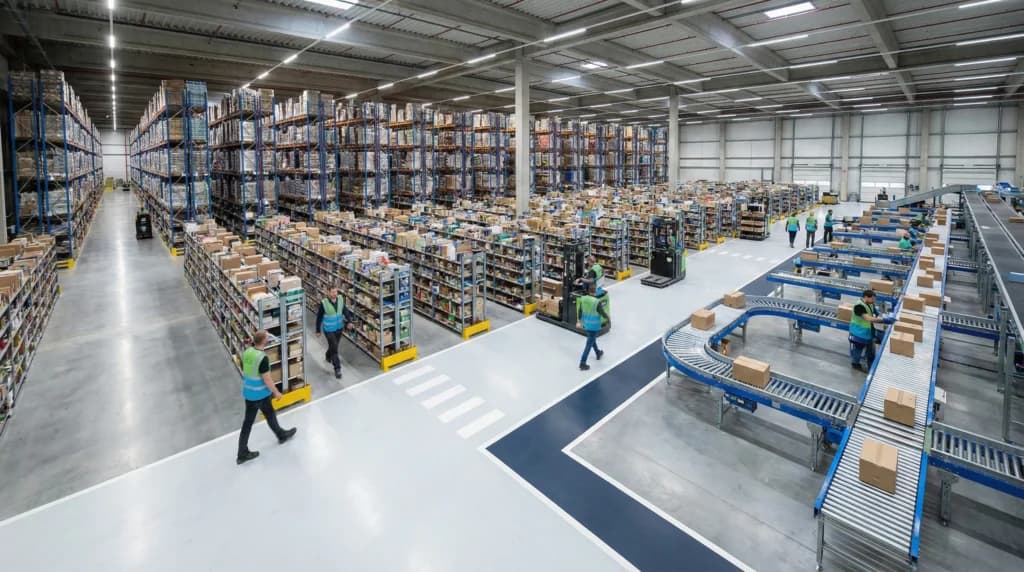
You might be wondering how some warehouses process thousands of orders per hour while others struggle to keep up with demand. The answer often lies in their investment in automated conveyor and sortation systems. These technologies have become essential for warehouse managers and logistics professionals who need to move products faster, reduce errors, and stay competitive. An automated conveyor system handles the continuous movement of goods, while an automated sortation system directs items to their correct destinations without manual intervention. Together, they form the backbone of modern fulfillment operations. This guide answers the most common questions about automatic sorting machines, implementation strategies, and how these systems integrate with your existing warehouse management infrastructure.
Whether you run a distribution center handling retail goods or a fulfillment warehouse serving e-commerce customers, understanding automated sortation technology is crucial for making informed decisions about your operations. The right system can transform your throughput, accuracy, and bottom line, but choosing poorly can lead to costly mistakes and operational headaches.
What Are Automated Conveyor and Sortation Systems?
An automated conveyor and sortation system combines two distinct but complementary technologies. The conveyor component moves products through your facility using belts, rollers, or other mechanisms. The sortation component identifies items and diverts them to specific locations, whether that means shipping lanes, packing stations, or storage areas.
These systems eliminate the need for workers to manually carry items from point A to point B. Instead, products travel along predetermined paths while sensors, scanners, and control software ensure everything reaches its correct destination. The result is faster processing, fewer errors, and more consistent operations regardless of staffing levels.
How Conveyor Technology Has Evolved
Early conveyor systems were simple mechanical devices powered by belts and gravity. They moved items in straight lines with little flexibility. Workers still performed most sorting tasks manually, picking items off the line and placing them in the correct bins or carts.
Modern automated conveyor systems bear little resemblance to these early designs. Today’s equipment includes:
- Intelligent routing that adjusts paths based on real-time conditions
- Variable speed controls that optimize throughput while preventing jams
- Integrated scanning technology that reads barcodes and RFID tags
- Modular designs that allow easy expansion and reconfiguration
- Accumulation zones that buffer products during downstream slowdowns
The shift from mechanical simplicity to intelligent automation happened gradually. First came programmable logic controllers in the 1970s, which allowed basic automated sorting. Then barcode technology enabled systems to identify individual items. More recently, machine vision and artificial intelligence have added capabilities that seemed impossible just a decade ago.
Why Does Automation Matter for Your Warehouse?
Manual sorting creates bottlenecks that limit your entire operation. A worker can only process so many items per hour, and that number drops as fatigue sets in during long shifts. Training new employees takes time, and turnover means constantly rebuilding your workforce’s capabilities.
An automated sorting system removes these constraints. Machines work at consistent speeds without breaks. They do not call in sick, quit for better opportunities, or make more mistakes when tired. This reliability allows you to plan operations with confidence and commit to service levels that manual processes cannot support.
The labor market has also made automation more attractive. Finding and keeping warehouse workers has become increasingly difficult. Wages have risen while the available workforce has shrunk. Automated sortation lets you accomplish more with fewer people, deploying your staff on tasks that require human judgment rather than repetitive physical work.
What Components Make Up an Automated Sortation System?
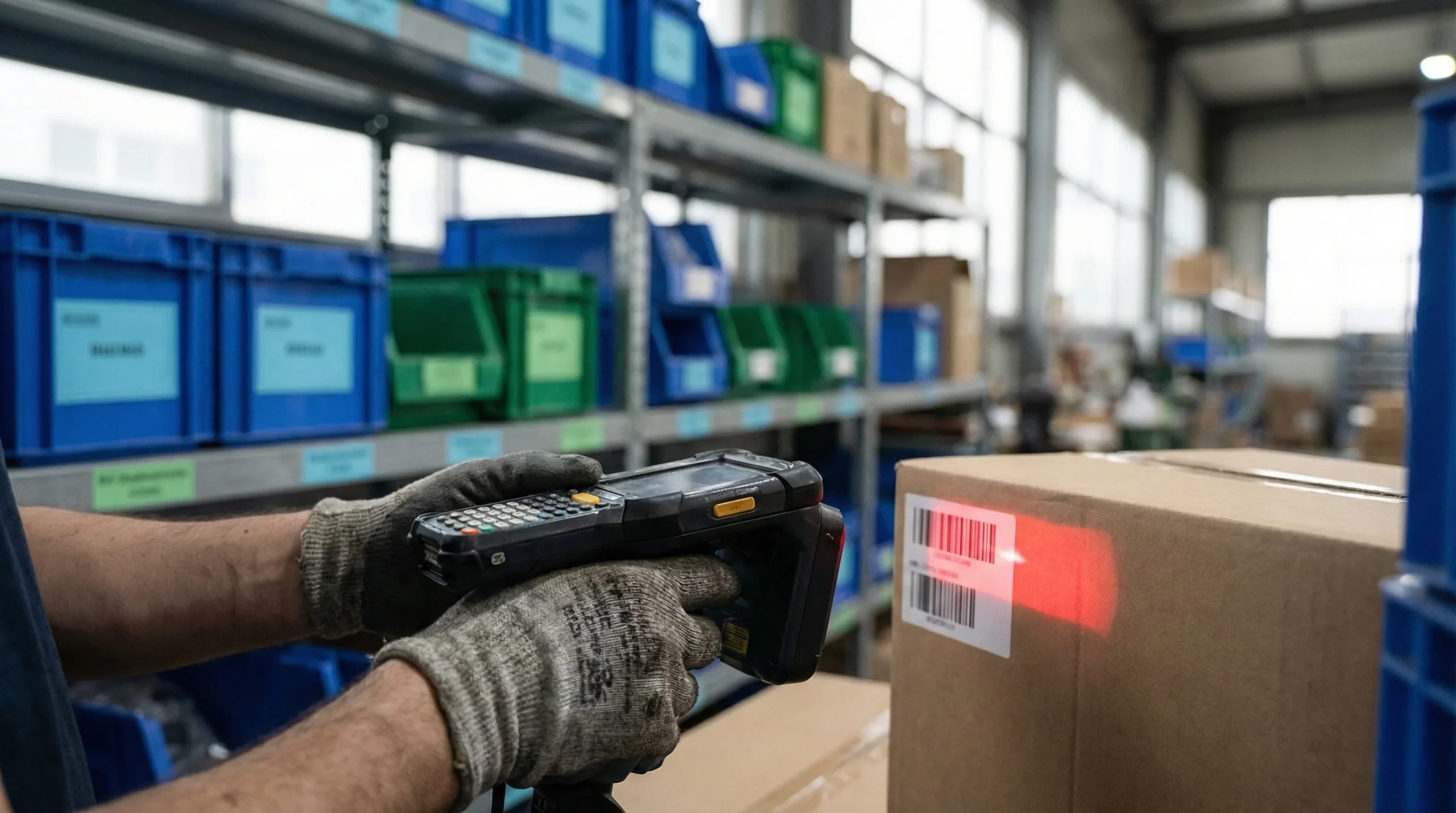
Understanding the core components helps you evaluate different systems and communicate effectively with vendors. Every automated sortation system includes several key elements that work together to move and direct products.
Conveyor Infrastructure
The conveyor portion of your system serves as the highway for products moving through your facility. Different conveyor types suit different applications:
- Belt conveyors work well for irregularly shaped items and provide gentle handling for fragile products
- Roller conveyors excel at moving boxes and cartons with flat bottoms
- Accumulation conveyors allow products to queue without damage when downstream operations slow down
- Incline and decline conveyors move items between different floor levels
- Curved sections navigate around obstacles and fit the system to your building layout
The right mix depends on what you handle. A warehouse dealing with uniform cartons needs different equipment than one processing polybags, tubes, and irregularly shaped items. Many facilities combine multiple conveyor types to handle their full product range.
Sorter Mechanisms
The automatic sorting machine at the heart of your system uses one of several technologies to divert products from the main line to their destinations. Common sorter types include:
Crossbelt sorters use small individual carriers with belts that move perpendicular to the direction of travel. They handle a wide variety of item sizes and shapes with gentle sorting action, making them popular for fragile goods and apparel.
Tilt tray sorters feature trays that tip to one side to slide items into chutes. They work well for small to medium items and offer high speeds with reliable accuracy.
Sliding shoe sorters use rows of small slats that slide across the conveyor surface to push items off the line. They handle cartons and boxes effectively at high speeds.
Pop-up wheel sorters raise small wheels above the conveyor surface to divert items at angles. They provide an economical solution for moderate throughput requirements.
Bomb bay sorters drop items through trap doors into bins below. They work best for soft goods like apparel that can handle the fall without damage.
Identification and Control Systems
Sorters cannot direct products without knowing what each item is and where it should go. Identification systems read barcodes, RFID tags, or other markers to determine routing. Control systems process this information and activate the appropriate sorting mechanism at precisely the right moment.
Barcode scanning remains the most common identification method. Fixed scanners mounted above or beside the conveyor read codes as items pass. Multi-sided scanning arrays can read labels regardless of orientation, eliminating the need to position items with labels facing a specific direction.
RFID offers advantages when line-of-sight scanning proves difficult. Tags can be read through packaging and do not require precise positioning. However, RFID costs more than barcodes and requires additional infrastructure.
Machine vision systems use cameras and software to identify items by their appearance, read damaged or missing barcodes, and verify that products match their expected characteristics. These systems grow more capable each year as image recognition technology advances.
How Do These Systems Integrate with Warehouse Management Software?
Your automated sortation system needs to communicate with your warehouse management software to function effectively. This integration allows the WMS to direct sorting decisions based on order information, inventory status, and shipping requirements.
When a scanner reads an item’s barcode, that data travels to the WMS. The software looks up the item, determines which order it belongs to, and sends a routing instruction back to the sorter control system. All this happens in milliseconds while the item continues moving down the line.
Effective integration also provides visibility into system performance. Managers can see throughput rates, error frequencies, and bottleneck locations in real time. This information supports quick problem resolution and continuous improvement efforts.
The API integration capabilities of your WMS determine how easily it connects to automated equipment. Systems designed with open APIs and standard communication protocols integrate more smoothly than proprietary systems that require custom development.
What ROI Can You Expect from Automated Sortation Systems?
Investing in automated sortation represents a significant capital expenditure. Understanding the financial returns helps justify the investment and set realistic expectations for payback periods.
How Much Faster Can You Process Orders?
Speed improvements from automated sorting systems often exceed what manual operations can achieve by a factor of five or more. Consider the math: a skilled manual sorter might process 300-400 items per hour. A modern crossbelt sorter can handle 10,000 or more items per hour. Even smaller automated systems easily outpace manual sorting rates.
This throughput increase matters most during peak periods. Seasonal spikes, promotional events, and unexpected demand surges can overwhelm manual operations. Automated systems handle these peaks without adding temporary staff or overtime hours.
Speed improvements cascade through your entire operation. Faster sorting means orders ship sooner. Earlier shipping cutoff times become possible. Customers receive their orders faster, improving satisfaction and encouraging repeat business.
How Do Accuracy Improvements Affect Your Bottom Line?
Manual sorting errors typically run between 1% and 3% of items processed. These errors create costs that ripple through your business:
- Customer service time resolving complaints
- Replacement shipping costs for mis-shipped orders
- Returns processing for incorrect items
- Lost customers who do not return after bad experiences
- Inventory discrepancies that require investigation
An automated sorting system typically achieves accuracy rates above 99.9%. This improvement eliminates most error-related costs while protecting your reputation with customers who expect perfect orders.
The financial impact compounds over time. Each prevented error saves not just the direct cost of correction but also the customer lifetime value that would be lost to churn. For businesses processing millions of items annually, even small accuracy improvements translate to substantial savings.
What Labor Savings Can You Achieve?
Labor represents the largest ongoing cost in most warehouse operations. An automated conveyor system reduces the number of workers needed for material movement and sorting tasks. Those workers can shift to higher-value activities like quality control, kitting, or customer service.
Calculate potential savings by mapping your current sorting labor. Count workers, hours, wages, and benefits. Factor in turnover costs including recruiting, hiring, and training. Include the productivity loss that occurs while new workers learn their jobs.
Many facilities find that automated sortation reduces sorting labor by 60% to 80%. The remaining workers supervise the system, handle exceptions, and perform maintenance. Their jobs become less physically demanding and more technically interesting, which often improves retention.
What Is the Typical Payback Period?
Payback periods for automated sortation systems vary based on system size, labor costs in your area, and operating hours. Most facilities see payback within two to four years. High-volume operations with elevated labor costs often achieve payback in 18 months or less.
Beyond direct financial returns, automation provides strategic value that is harder to quantify. The ability to scale without proportional labor increases supports growth. Consistent performance enables service level commitments that win customers. Reduced physical demands on workers lower injury risks and associated costs.
How Do Different Automated Sortation Technologies Compare?
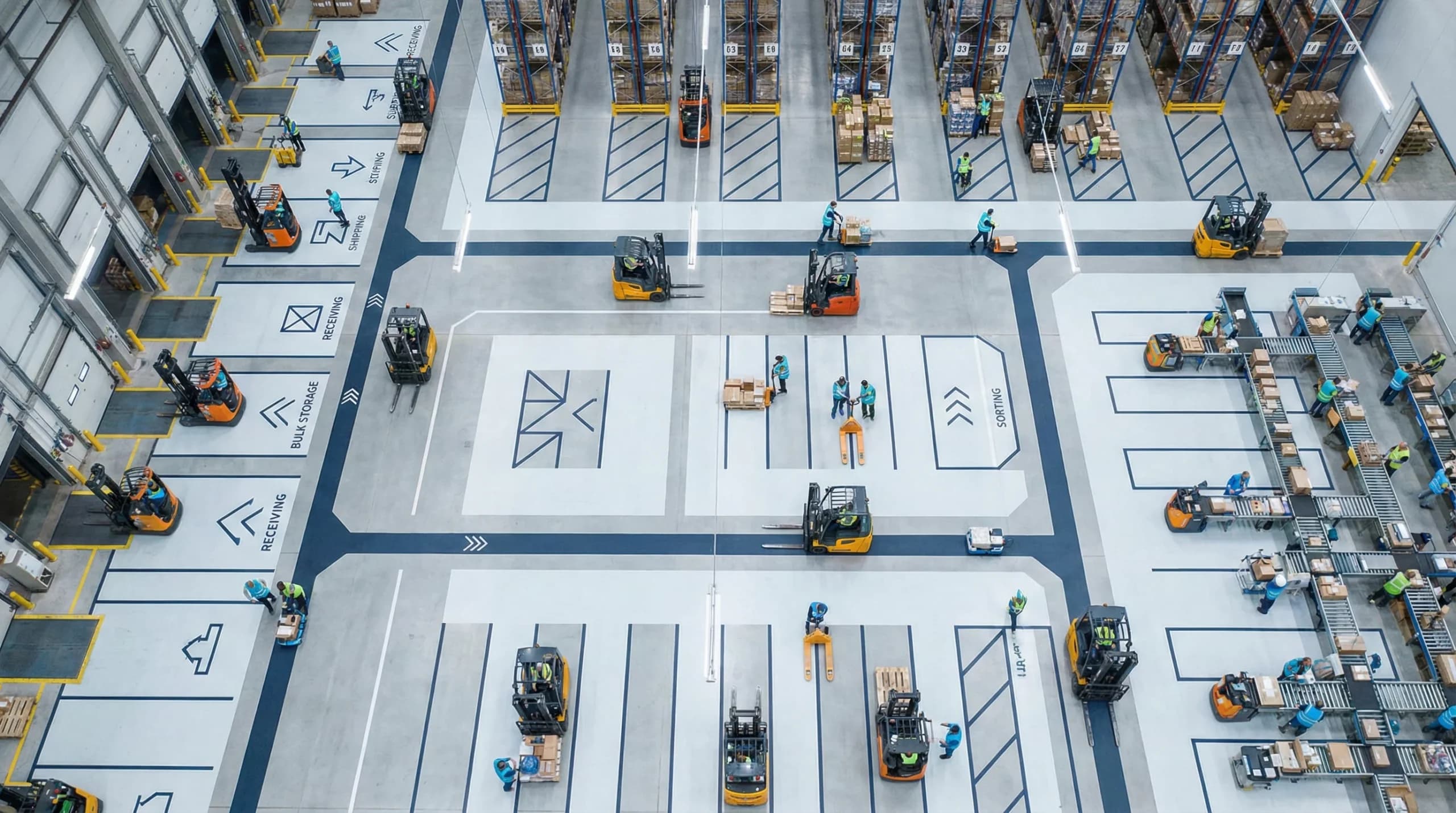
Selecting the right technology requires matching system capabilities to your specific requirements. No single sorter type works best for all applications. Understanding the tradeoffs helps you make informed decisions.
Which Automatic Sorting Machine Fits Your Product Mix?
Your product characteristics drive sorter selection more than any other factor. Consider these questions:
What are your item dimensions? Some sorters handle only items within narrow size ranges. Others accommodate everything from small polybags to large cartons. If your product mix includes wide size variation, you need a flexible system or multiple parallel systems for different item types.
How fragile are your products? Gentle handling matters for electronics, glass, and other breakable items. Crossbelt and tilt tray sorters typically treat products more gently than sliding shoe or pusher-based systems.
What are your throughput requirements? High-speed loop sorters process thousands of items per hour but require significant investment. Simpler systems cost less but handle fewer items. Match your sorter capacity to your peak volume requirements, not just average demand.
How many sort destinations do you need? The number of lanes, chutes, or bins determines how many ways the system can divide your product flow. Wave planning strategies can help if you need more destinations than your sorter provides, but this adds complexity to operations.
What Advanced Features Should You Consider?
Modern automated sortation systems offer features beyond basic sorting that can improve your operations:
Recirculation capabilities allow items that miss their sort window or cannot be identified to go around for another attempt. This prevents manual intervention for temporary issues while maintaining throughput.
Dimensioning systems measure items as they enter the sorter and verify they match expected specifications. This catches picking errors before items reach packing stations and prevents oversize items from jamming equipment.
Weight verification confirms that items match their expected weights. Weight discrepancies might indicate wrong items, missing components, or counterfeit products.
Vision verification uses cameras to confirm item identity beyond just barcode reading. The system can verify colors, shapes, and labels to catch errors that barcode scanning misses.
Predictive maintenance uses sensors and analytics to identify equipment issues before they cause failures. Scheduled maintenance based on actual equipment condition reduces both downtime and unnecessary maintenance activities.
How Do Costs Compare Across Technologies?
System costs vary dramatically based on technology choice, capacity, and features. Rough cost ranges help with initial planning, though actual quotes will vary based on your specific requirements:
- Basic pop-up wheel sorters start around $100,000 for simple configurations
- Sliding shoe sorters typically range from $200,000 to $500,000 depending on length and capacity
- Tilt tray sorters fall in the $500,000 to $2 million range for most configurations
- High-speed crossbelt systems can exceed $5 million for large installations
These figures represent equipment costs only. Installation, integration, controls, and conveyor infrastructure add substantially to total project costs. Expect the complete installed system to cost 1.5 to 2 times the base equipment price.
Ongoing costs include energy, maintenance, and spare parts. Energy-efficient motors and intelligent controls reduce operating costs over the system’s life. Maintenance contracts from the equipment vendor provide predictable costs but typically run 3% to 5% of equipment value annually.
What Best Practices Ensure Successful Implementation?
Even the best automated sortation system can fail if implementation goes poorly. Following proven practices increases your chances of success and helps you avoid common pitfalls.
How Should You Plan Your Automated Conveyor System Project?
Successful projects start with thorough planning long before equipment arrives. Key planning activities include:
Data gathering and analysis: Collect detailed information about your current operations. This includes order profiles, item dimensions, throughput by hour and season, and error rates. Historical data helps size the system correctly and identify special handling requirements.
Process mapping: Document how products flow through your facility today and how they will flow after automation. Identify every handoff point, decision point, and exception handling process. Gaps in process design cause problems during implementation.
Requirements definition: Specify exactly what the system must accomplish. Include throughput rates, accuracy targets, integration requirements, and operational constraints. Clear requirements prevent scope creep and ensure vendor proposals address your actual needs.
Vendor evaluation: Request proposals from multiple qualified vendors. Evaluate not just price but also technology fit, vendor experience with similar projects, references from comparable facilities, and long-term support capabilities.
Layout design: Work with your selected vendor to design the physical layout. Consider future expansion, maintenance access, emergency egress, and integration with existing operations. Simulation tools help validate that the design meets your requirements before construction begins.
What Integration Challenges Should You Anticipate?
Connecting your automated sortation system to existing software and equipment creates some of the most challenging moments in any implementation. Plan for these integration points:
Your WMS integration determines whether the sorter receives correct routing instructions and reports accurate results. Test this integration extensively before go-live. Consider how the system handles common scenarios like unknown barcodes, duplicate scans, and WMS communication failures.
The integration capabilities of both your WMS and your sorter control system affect implementation difficulty. Standard interfaces like warehouse control system (WCS) protocols simplify integration compared to custom point-to-point connections.
Upstream processes must feed the sorter correctly. If manual induction stations cannot keep up with sorter capacity, you have wasted money on unused speed. If labels print poorly or are applied inconsistently, scanners cannot read them reliably.
Downstream processes must handle the sorter’s output. Packing stations, shipping lanes, and storage areas need capacity to absorb sorted items without creating backups that force the sorter to slow or stop.
How Do You Prepare Your Team for the Transition?
Technology changes fail when people are not prepared. Invest in training and change management alongside your equipment investment:
Operator training: Workers who interact with the system daily need to understand normal operation, recognize problems, and know how to respond to exceptions. Hands-on training with the actual equipment works better than classroom instruction alone.
Maintenance training: Your maintenance team should receive thorough training from the equipment vendor. This includes preventive maintenance procedures, troubleshooting techniques, and safety protocols. Some facilities send technicians to the vendor’s facility for intensive training before installation begins.
Supervisor training: Supervisors need to understand system capabilities and limitations to make good operational decisions. They should know how to interpret performance data, identify developing problems, and escalate issues appropriately.
Change management: Help your entire team understand why automation is happening and how it affects their roles. Address fears about job loss honestly. Emphasize new opportunities that automation creates. Involve workers in the implementation process where possible to build ownership and acceptance.
What Future Trends Will Shape Automated Sortation?
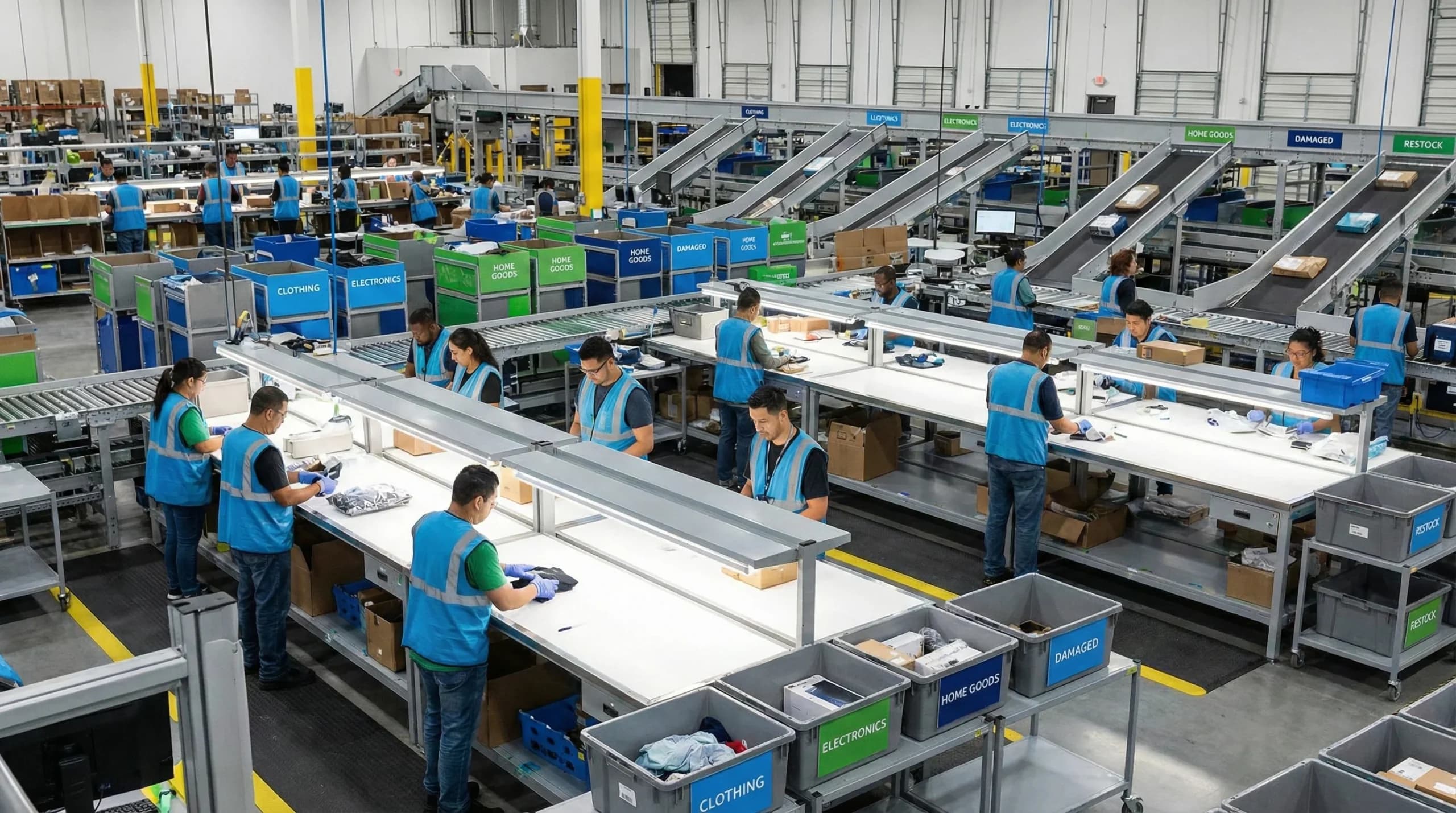
Technology continues to advance, creating new capabilities and changing what automated systems can accomplish. Understanding emerging trends helps you make decisions that remain relevant as the market evolves.
What Innovations Are Coming to Automated Sorting Systems?
Several technology trends are reshaping what automated sortation systems can do:
Artificial intelligence and machine learning enable systems to make better decisions with less human input. AI can optimize routing in real time based on downstream conditions, predict and prevent equipment failures, and identify items that traditional scanning cannot read. As these technologies mature, expect systems that continuously improve their own performance.
Autonomous mobile robots (AMRs) are changing how goods move within facilities. These robots can transport items between fixed automation islands, creating flexible systems that adapt to changing requirements. Some facilities now combine traditional conveyor and sorter infrastructure with AMR fleets for maximum flexibility.
Goods-to-person systems bring products to workers rather than sending workers to products. Combined with automated sortation, these systems can dramatically reduce the walking time that consumes much of a typical warehouse worker’s day.
Digital twin technology creates virtual replicas of physical systems. These digital twins allow managers to test changes, simulate scenarios, and optimize operations without disrupting actual equipment. Expect this technology to become standard for complex automated systems.
Industry organizations like the Material Handling Industry provide resources for staying current with these developments and connecting with vendors at the forefront of innovation.
How Are Sustainability Concerns Affecting System Design?
Environmental responsibility has moved from nice-to-have to essential for many organizations. Automated sortation systems are evolving to address sustainability concerns:
Energy efficiency improvements reduce both operating costs and environmental impact. Regenerative drives capture energy from decelerating products and feed it back to the electrical system. Intelligent controls shut down sections during low-volume periods. LED lighting and efficient motors reduce baseline energy consumption.
Sustainable materials are appearing in system construction. Recycled metals, bio-based plastics, and sustainably sourced wood replace traditional materials in some applications. Manufacturers also design for end-of-life recyclability rather than landfill disposal.
Longer equipment life reduces the environmental impact of manufacturing replacement systems. Modular designs that allow component replacement rather than full system replacement extend useful life. Refurbishment programs give used equipment second lives in other facilities.
Right-sizing systems to actual requirements prevents the waste of oversized installations. Careful analysis during the design phase ensures you install only the capacity you need, avoiding the energy consumption and material use of excessive capability.
According to Logistics Management, sustainability has become a key differentiator for sortation system vendors competing for environmentally conscious customers.
How Will Integration Capabilities Evolve?
The future of automated sortation lies in connected systems that share data and coordinate actions across the supply chain. Several integration trends are emerging:
Cloud-based control systems allow monitoring and management from anywhere. Remote experts can troubleshoot problems without traveling to your facility. Benchmarking across multiple sites identifies best practices and improvement opportunities.
Standardized communication protocols make integration easier. Industry efforts to define common interfaces reduce the custom development needed to connect systems from different vendors.
Extended enterprise integration connects your automated systems to suppliers, customers, and logistics partners. Advance shipping notices trigger system preparation before products arrive. Carrier integration via shipping software connections ensures sorted items match carrier requirements and schedules.
Real-time visibility platforms aggregate data from multiple systems to provide comprehensive operational views. Managers see how automation, labor, and inventory interact without switching between disconnected applications.
Conclusion: Making the Right Choice for Your Operation
Automated conveyor and sortation systems have become essential tools for warehouses and distribution centers facing pressure to process more orders, faster, with fewer errors. The technology has matured to the point where systems exist for almost every application, from small operations processing a few thousand items daily to massive facilities handling millions of items per week.
Success requires more than just buying equipment. You need to understand your requirements, evaluate options carefully, plan implementations thoroughly, and prepare your team for change. The facilities that gain the most from automation invest in all these areas, not just the hardware.
The decision to automate your sorting operations deserves careful consideration. Analyze your current processes, calculate potential returns, and evaluate how automation fits your strategic direction. The investment is significant, but so are the benefits for facilities where automation makes sense.
Ready to explore how automated sortation could transform your warehouse operations? Contact SphereWMS for a consultation about integrating advanced automation with modern warehouse management capabilities. You can also learn more about WMS software that connects smoothly with automated material handling equipment. Take the next step toward building a more efficient, accurate, and competitive operation.
Frequently Asked Questions
How do automated conveyor and sortation systems work?
Automated conveyor and sortation systems move and sort items in warehouses efficiently. The conveyor system transports products using belts or rollers, while the sortation system uses sensors and software to direct items to specific locations. This automation reduces manual handling, speeds up processing, and minimizes errors. These systems are essential for high-volume operations, ensuring products reach their destinations accurately and quickly.
What benefits do automated sortation systems offer?
Automated sortation systems provide faster processing and reduced error rates in warehouses. By automating the direction of items to their destinations, these systems decrease the need for manual sorting, which can be time-consuming and error-prone. They also increase throughput and accuracy, leading to improved operational efficiency. This makes them crucial for businesses looking to scale operations without significantly increasing labor costs.
Can automated conveyor systems integrate with existing infrastructure?
Yes, automated conveyor systems can integrate with existing warehouse infrastructure. These systems are designed to be modular and flexible, allowing for easy integration with current operations. They can work alongside existing technologies such as warehouse management systems (WMS) to streamline processes. This adaptability helps businesses enhance their operations without a complete overhaul of their current systems.
Why are automatic sorting machines essential for e-commerce?
Automatic sorting machines are vital for e-commerce due to their ability to handle high order volumes efficiently. These machines sort items quickly and accurately, ensuring that orders are fulfilled promptly. They reduce the need for manual sorting, which can slow down operations and lead to errors. This efficiency is crucial for e-commerce businesses aiming to meet customer expectations for fast and accurate deliveries.
How have automated conveyor systems evolved over time?
Automated conveyor systems have evolved from basic mechanical devices to intelligent, flexible systems. Early conveyors relied on belts and gravity, requiring manual intervention for sorting. Modern systems feature intelligent routing, variable speed controls, and integrated scanning technology, allowing for real-time adjustments and improved efficiency. This evolution has enabled warehouses to handle more complex operations with greater accuracy and less manual labor.