We’ve all been there. You’re staring at a spreadsheet that’s supposed to show your current inventory levels, but the numbers don’t match what’s actually sitting in your warehouse. Orders are backing up. Your team is working overtime just to keep pace with demand. And somewhere in the back of your mind, you’re wondering if there’s a better way to handle all of this without losing your sanity – or your customers.
Sound familiar? You’re not alone. Thousands of business owners and logistics managers face these exact challenges every single day. The good news? This is precisely where 3PL logistics operations come into play. By partnering with a third-party logistics provider, companies like yours are discovering they can offload the complexity of warehouse management, shipping, and distribution while focusing on what they do best – growing their business.
In this guide, we’re going to walk through everything you need to know about 3PL warehouse operations, from the fundamental concepts to the advanced strategies that separate thriving supply chains from struggling ones. Whether you’re considering your first 3PL partnership or looking to optimize an existing relationship, you’ll find actionable insights that apply directly to your situation.
Understanding 3PL Operations: An Overview
Before we get into the tactical details, let’s establish a solid foundation. Understanding what 3PL operations actually involve – and what they don’t – will help you make smarter decisions about your supply chain strategy.
What Are 3PL Operations?
Third-party logistics operations refer to the practice of outsourcing logistics and supply chain functions to an external provider. Instead of managing warehouses, coordinating shipments, and tracking inventory yourself, you hand these responsibilities to specialists who do this work day in and day out.
Think of it this way: you probably don’t manufacture your own office supplies or build your own delivery trucks. You recognize that other companies can do those things more efficiently than you can. The same logic applies to logistics. A dedicated 3PL provider has the infrastructure, technology, and expertise to handle these functions at a level most individual businesses simply can’t match.
3PL operations typically include:
- Receiving and storing inventory in strategically located warehouses
- Managing inventory levels and providing real-time visibility
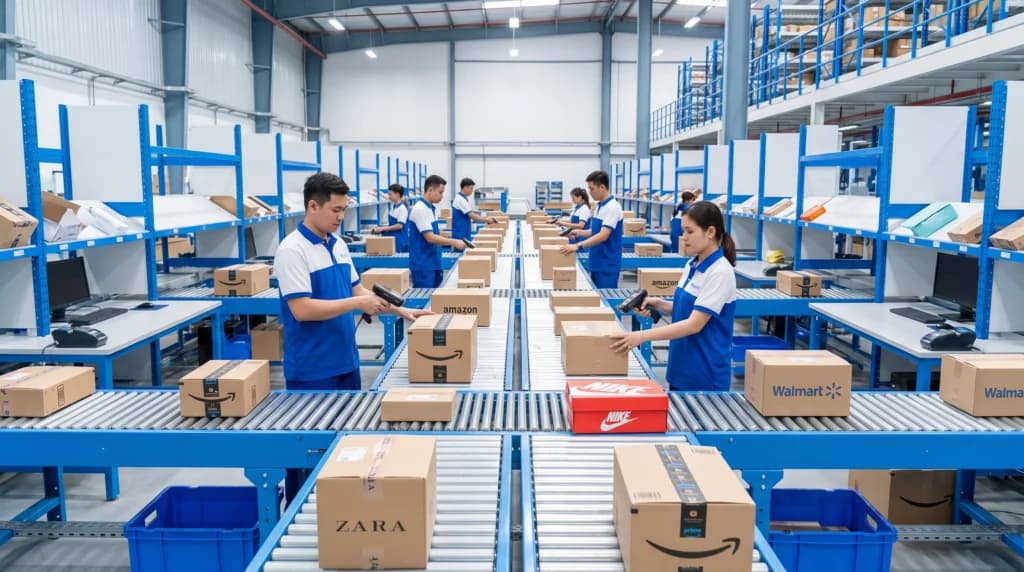
- Picking, packing, and shipping orders to customers
- Handling returns and reverse logistics
- Coordinating transportation across multiple carriers
- Providing reporting and analytics on logistics performance
The scope of services varies widely between providers. Some focus exclusively on warehousing, while others offer end-to-end supply chain management. Your job is to find a partner whose capabilities align with your specific needs.
Key Components of 3PL
Every successful third-party logistics operation rests on three fundamental pillars. Understanding these components will help you evaluate potential partners and set realistic expectations for what outsourcing can achieve.
Transportation Management: This covers everything from negotiating carrier rates to optimizing delivery routes. A strong 3PL provider maintains relationships with multiple carriers, giving you access to competitive shipping rates and flexible delivery options. They also handle the headaches of freight auditing, claims processing, and compliance documentation.
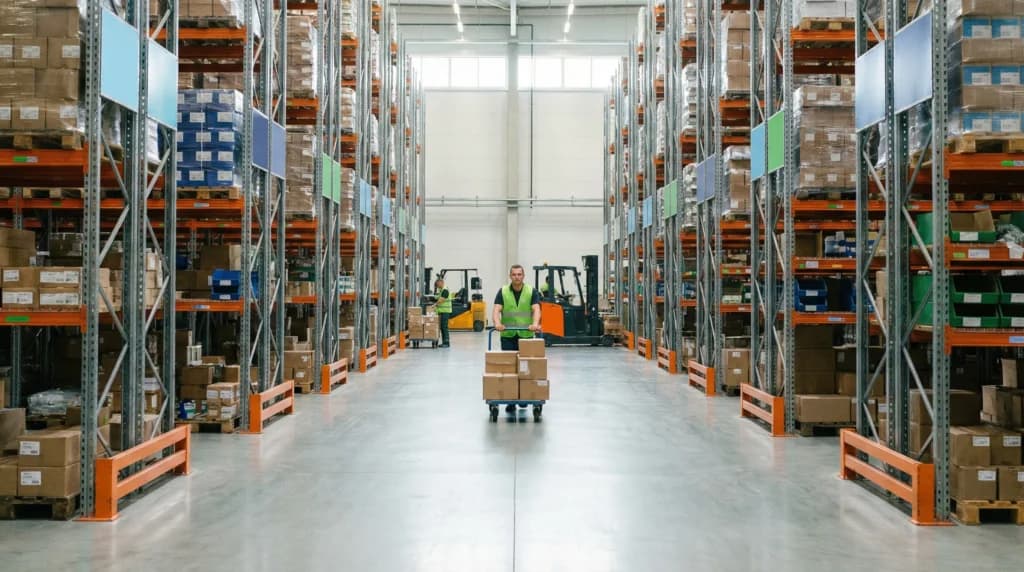
Warehousing Solutions: The physical storage and handling of your products forms the backbone of 3PL warehouse operations. This includes receiving shipments, organizing inventory within the facility, maintaining appropriate storage conditions, and ensuring products are accessible when orders come in. Modern warehouses use sophisticated warehouse management software to track every item’s location and movement.
Distribution Services: Getting products from the warehouse to your customers requires coordination across multiple systems and stakeholders. Distribution services encompass order processing, carrier selection, shipment tracking, and delivery confirmation. The goal is to get the right products to the right customers at the right time – consistently.
These components don’t operate in isolation. The real value of third party logistics operations emerges when transportation, warehousing, and distribution work together as an integrated system. A delay at the warehouse affects shipping schedules. Poor carrier performance impacts customer satisfaction. Everything connects.
The Role of 3PL Logistics Operations in Modern Supply Chains
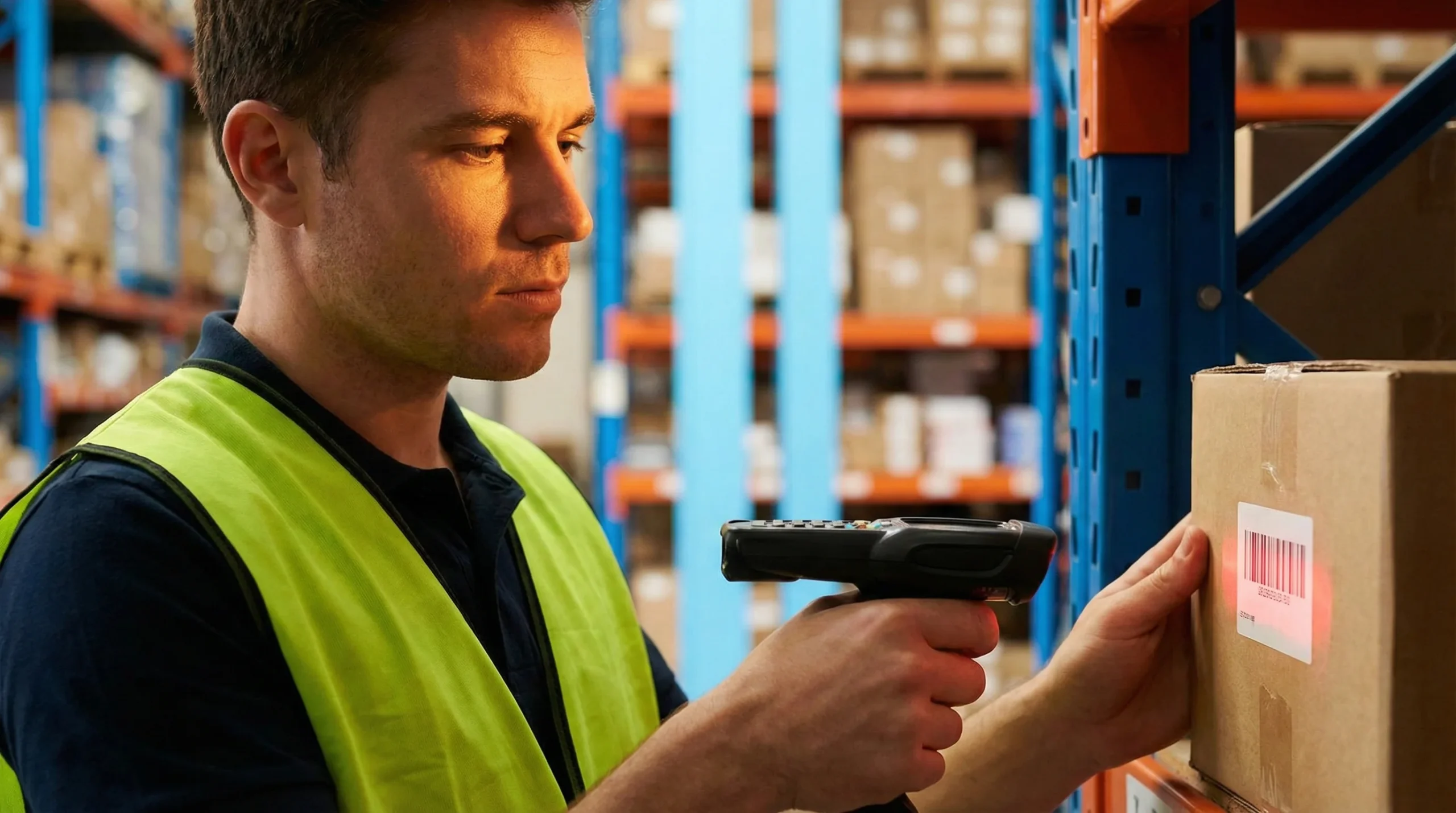
Supply chains have grown dramatically more complex over the past two decades. Customers expect faster delivery times. Product catalogs have expanded. E-commerce has introduced entirely new fulfillment challenges. In this environment, 3PL logistics operations have shifted from a nice-to-have option to a strategic necessity for many companies.
Enhancing Supply Chain Efficiency
The most immediate benefit of partnering with a 3PL provider is improved efficiency across your supply chain. But what does that actually mean in practice?
Consider the expertise factor. Your 3PL partner handles logistics for multiple clients, often across various industries. This exposure creates institutional knowledge that a single company couldn’t develop on its own. They’ve seen what works and what doesn’t. They’ve solved problems you haven’t even encountered yet.
Technology plays an equally important role. Operating a modern warehouse requires sophisticated systems for inventory tracking, order management, and shipping software integration. Building and maintaining these systems in-house demands significant capital investment and ongoing technical expertise. By partnering with a 3PL, you gain access to enterprise-grade technology without the associated costs and complexity.
There’s also the matter of scale. 3PL providers ship millions of packages annually, which translates into negotiating leverage with carriers. Those volume discounts get passed along to clients, reducing shipping costs in ways that would be impossible to achieve independently.
According to industry research published by Logistics Management, companies that effectively utilize 3PL services consistently report improvements in order accuracy, delivery speed, and overall customer satisfaction. The efficiency gains compound over time as both parties optimize the working relationship.
Real-World Applications
Let’s look at how these efficiency improvements manifest in actual business scenarios. Imagine a growing e-commerce company that sells specialty kitchen equipment. During the first few years, they managed fulfillment from a small warehouse, with employees packing orders between other responsibilities. As order volume increased, this approach became unsustainable.
By transitioning to a 3PL provider, this type of company typically sees several immediate improvements: orders ship within 24 hours instead of 48-72 hours, shipping costs decrease due to negotiated carrier rates, and the internal team can redirect their focus toward marketing and product development. The 3PL partner handles the day-to-day logistics while providing visibility through regular reporting.
Another common scenario involves companies with seasonal demand patterns. A business selling outdoor recreational equipment, for example, might see order volume triple during summer months. Managing this fluctuation with internal resources means either maintaining excess warehouse capacity year-round or scrambling to hire temporary staff during peak season.
Third party logistics operations provide a more elegant solution. The 3PL provider already has the capacity and workforce to handle volume spikes. Clients pay for the space and labor they actually use, adjusting as demand fluctuates. This flexibility transforms a major operational challenge into a manageable part of doing business.
Maximizing Efficiency with 3PL Warehouse Operations
The warehouse sits at the heart of any logistics operation. Products flow in, get stored, picked, packed, and shipped out. How efficiently this happens directly impacts costs, delivery times, and customer satisfaction. Optimizing 3PL warehouse operations requires attention to both processes and technology.
Optimizing Warehouse Management
Effective warehouse management starts with understanding how products move through the facility. Every step – from receiving to shipping – presents opportunities for improvement. Here’s where the most impactful optimizations typically occur:
Receiving and Put-Away: When inventory arrives at the warehouse, it needs to be verified, logged into the system, and placed in an appropriate location. Efficient receiving processes minimize the time between arrival and availability for fulfillment. This often involves advance shipping notifications that let warehouse staff prepare for incoming inventory.
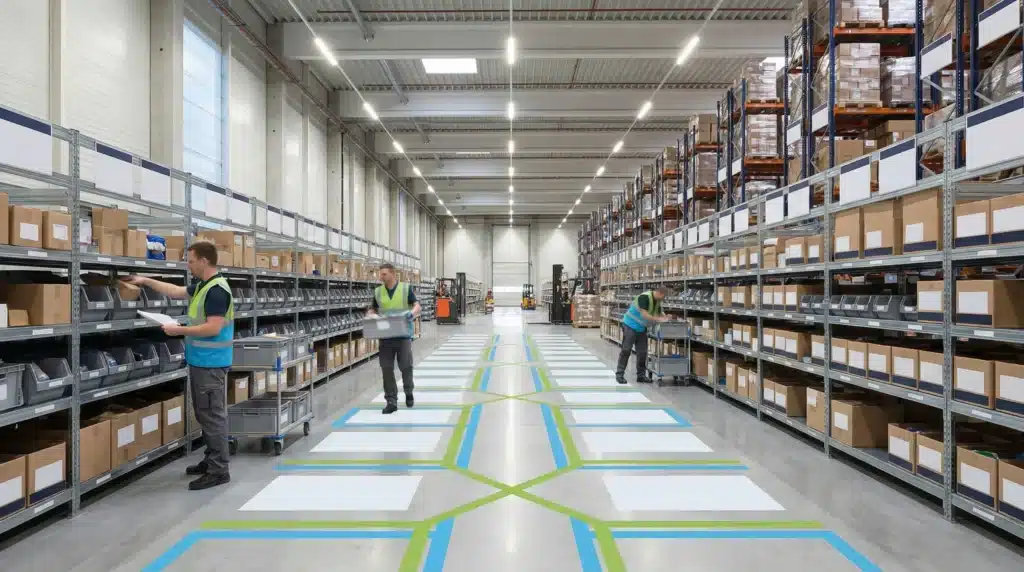
Storage Organization: Where products are stored within the warehouse matters enormously. Fast-moving items should be positioned for quick access, while slow-moving inventory can occupy less convenient locations. The best 3PL warehouse operations use slotting algorithms to optimize product placement based on sales velocity, size, and picking patterns.
Order Picking: Picking – the process of retrieving items to fulfill orders – typically consumes more labor hours than any other warehouse activity. Optimization strategies include batch picking (gathering items for multiple orders in a single trip), zone picking (assigning workers to specific areas), and wave picking (releasing groups of orders based on shipping deadlines).
Packing and Shipping: The final warehouse steps involve packing orders securely and handing them off to carriers. Standardized packing procedures reduce errors and shipping damage. Automated systems can select the optimal box size, print shipping labels, and generate tracking information.
Technology amplifies all these improvements. Modern warehouses use barcode scanning to verify every product movement. Real-time inventory tracking eliminates the guesswork that leads to stockouts and overordering. API integration capabilities connect warehouse systems with e-commerce platforms, ERPs, and shipping carriers for automatic data synchronization.
Technology Integration in Modern Warehouses
The gap between technologically advanced warehouses and those relying on manual processes has never been wider. Companies evaluating 3PL partners should pay close attention to the technology stack supporting warehouse operations.
Cloud-based inventory management has become the standard for sophisticated operations. Unlike legacy systems that require on-premise servers and IT maintenance, cloud platforms provide access from anywhere, automatic updates, and easier integration with other business systems. Your team can check inventory levels, review order status, and generate reports without being physically present at the warehouse.
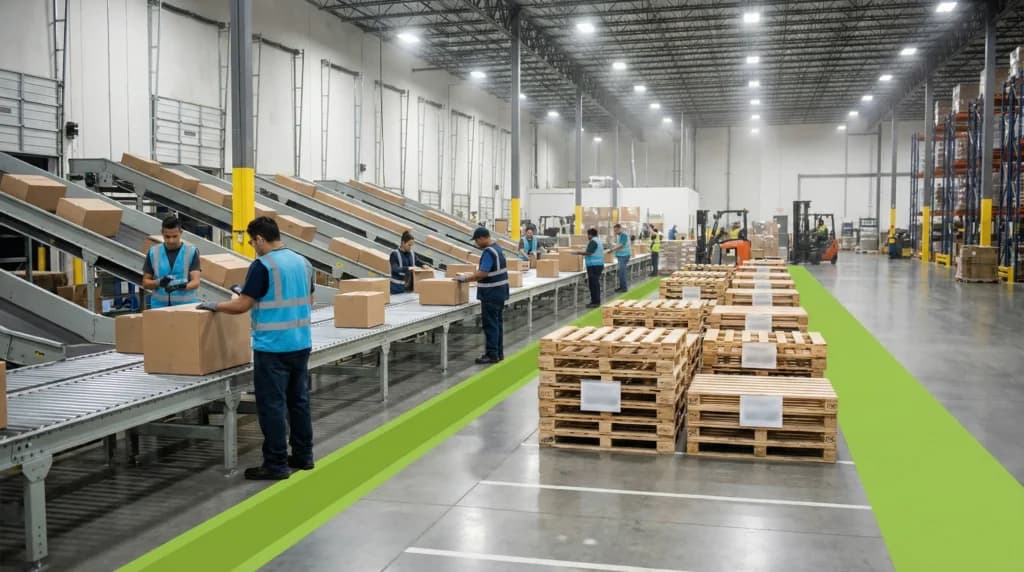
Automation technologies continue advancing rapidly. While fully automated warehouses remain rare, many facilities now use conveyor systems, automated storage and retrieval systems (AS/RS), and robotic assistance for certain tasks. Even partial automation can dramatically increase throughput and reduce labor costs.
The most overlooked technology consideration might be system integration. Your 3PL’s warehouse management system needs to communicate with your sales channels, accounting software, and other business systems. Poor integration creates data silos, manual workarounds, and the kind of inventory discrepancies we mentioned at the beginning of this article. Strong EDI transaction capabilities and modern APIs make integration smoother for everyone involved.
Benefits of Third Party Logistics Operations: A Deep Dive

We’ve touched on several advantages of 3PL partnerships throughout this article. Now let’s examine the most significant benefits in greater detail, with an eye toward how they translate into tangible business outcomes.
Cost Savings
Cost reduction usually tops the list when companies explain why they chose to outsource logistics. But the savings come from multiple sources, and understanding them helps you model the true financial impact.
Capital Expenditure Avoidance: Operating your own warehouse requires purchasing or leasing property, buying racking and equipment, and investing in technology systems. These capital expenditures tie up money that could be deployed elsewhere in your business. With a 3PL partner, you convert these fixed costs into variable expenses that scale with your activity level.
Labor Efficiency: Warehouse labor represents a significant expense, particularly when you factor in hiring, training, benefits, and management overhead. 3PL providers spread these costs across multiple clients and maintain workforce flexibility to handle volume fluctuations. You benefit from their labor efficiency without managing the complexity yourself.
Transportation Discounts: As mentioned earlier, 3PL providers aggregate shipping volume across their client base to negotiate favorable carrier rates. These discounts can represent substantial savings, especially for companies shipping small parcel volumes that don’t individually qualify for the best rates.
Reduced Error Costs: Shipping the wrong product, sending orders to incorrect addresses, and damaging items during handling all carry costs – both direct (replacements, refunds) and indirect (customer churn, reputation damage). Professional 3PL warehouse operations typically achieve higher accuracy rates than in-house alternatives, reducing these error-related expenses.
The aggregate impact varies by business, but companies frequently report logistics cost reductions exceeding fifteen percent after transitioning to a well-managed 3PL relationship. Just as importantly, they gain predictability: instead of unexpected warehouse repairs or sudden staffing emergencies, they receive regular invoices based on actual activity.
Scalability and Flexibility
Business conditions change. Sometimes they change quickly. The ability to scale logistics operations up or down without proportional changes in fixed costs provides a significant competitive advantage.
Consider a company launching a new product line. With in-house logistics, this launch requires expanding warehouse space, hiring additional staff, and possibly purchasing new equipment. The timeline extends to months, and the investment occurs before you know whether the new products will succeed.
With a 3PL partner, scaling often involves a conversation and a contract amendment. The provider already has capacity, staff, and systems in place. Adding new SKUs or increasing volume can happen in weeks rather than months. If the new products don’t perform as expected, you aren’t stuck with excess capacity.
This flexibility extends beyond volume changes. 3PL providers with multiple warehouse locations can help you expand into new geographic markets without establishing your own presence. A company based on the East Coast can test West Coast distribution by utilizing their 3PL’s California facility, then commit to a permanent expansion only after validating demand.
Seasonal businesses benefit particularly from this flexibility. Rather than maintaining year-round capacity for peak season, they can access additional resources during busy periods and scale back when demand subsides. The 3PL provider benefits too – they can allocate resources across clients with different seasonal patterns, smoothing their own utilization.
Access to Expertise and Best Practices
Unless logistics is your core business, you’re unlikely to develop world-class capabilities in-house. You have other priorities – product development, marketing, customer relationships – that deserve your attention and resources.
3PL providers live and breathe logistics every day. Their entire business model depends on executing warehouse operations and transportation management at a high level. This focus produces expertise that generalist organizations struggle to match.
That expertise manifests in practical ways. 3PL professionals know the latest industry developments, regulatory requirements, and best practices. They understand which carriers perform best for different shipment types. They’ve optimized picking processes across dozens of client accounts. You gain access to this accumulated knowledge through the partnership.
Industry publications like Supply Chain Brain regularly document how leading companies leverage 3PL expertise to transform their operations. The common thread in these success stories is recognizing that logistics specialists can often accomplish more than internal teams operating outside their primary expertise.
Challenges and Solutions in 3PL Integration
Outsourcing logistics isn’t without challenges. Honest assessment of potential obstacles – and how to address them – helps you prepare for a successful transition and ongoing partnership.
Common Integration Challenges
The transition from in-house logistics to a 3PL model introduces complexity that shouldn’t be underestimated. Here are the challenges we see most frequently:
Data Synchronization: Your sales channels, 3PL warehouse system, and accounting software all need to share information accurately. Inventory levels must update in real-time to prevent overselling. Orders must flow from your platform to the warehouse without manual intervention. Achieving this synchronization requires technical work and ongoing attention.
Process Alignment: Your business has specific requirements – perhaps certain products require special handling, or you promise same-day shipping for orders placed before noon. Translating these requirements into 3PL processes takes careful documentation and communication. Assumptions on either side lead to execution problems.
Communication Protocols: Who do you contact when an urgent issue arises? How quickly will they respond? What information do you need to provide? Establishing clear communication channels and escalation paths prevents small problems from becoming major disruptions.
Performance Visibility: Handing operations to a partner doesn’t mean going blind. You need regular reporting on key metrics: order accuracy, shipping speed, inventory accuracy, and customer complaints. Without this visibility, you can’t identify problems early or hold your partner accountable.
Cultural Fit: This might seem soft compared to technical challenges, but cultural alignment matters. A 3PL provider who doesn’t share your commitment to customer service will eventually create friction. Finding a partner whose values match yours leads to smoother collaboration.
Strategies for Successful Integration
These challenges are real, but they’re also manageable with proper planning and execution. Successful integrations typically share several characteristics:
Thorough Discovery: Before implementation begins, both parties invest time understanding requirements, constraints, and expectations. This includes documenting current processes, identifying special handling needs, mapping system integrations, and establishing key performance indicators. Rushing through discovery almost always leads to problems later.
Phased Implementation: Rather than switching everything at once, consider a gradual transition. Start with a subset of products or a single sales channel, work through the inevitable issues, then expand scope. This approach limits risk and allows both teams to build competency before handling full volume.
Clear Accountability: Define who is responsible for what, and build that accountability into your agreement. Service level agreements (SLAs) with meaningful consequences create alignment between your interests and the provider’s behavior. Regular business reviews provide forums for addressing performance gaps.
Strong Technology Foundation: Invest in proper system integration rather than relying on manual processes or fragile workarounds. The upfront effort pays dividends through reduced errors, faster order processing, and better visibility. Choose partners who understand the importance of technology and have robust capabilities.
Relationship Investment: Treat your 3PL provider as a strategic partner, not a vendor to be squeezed. Share information about your business direction. Include them in planning for promotions and new product launches. Strong relationships lead to better service when unexpected situations arise.
Future Trends in 3PL Logistics and What They Mean for Your Business
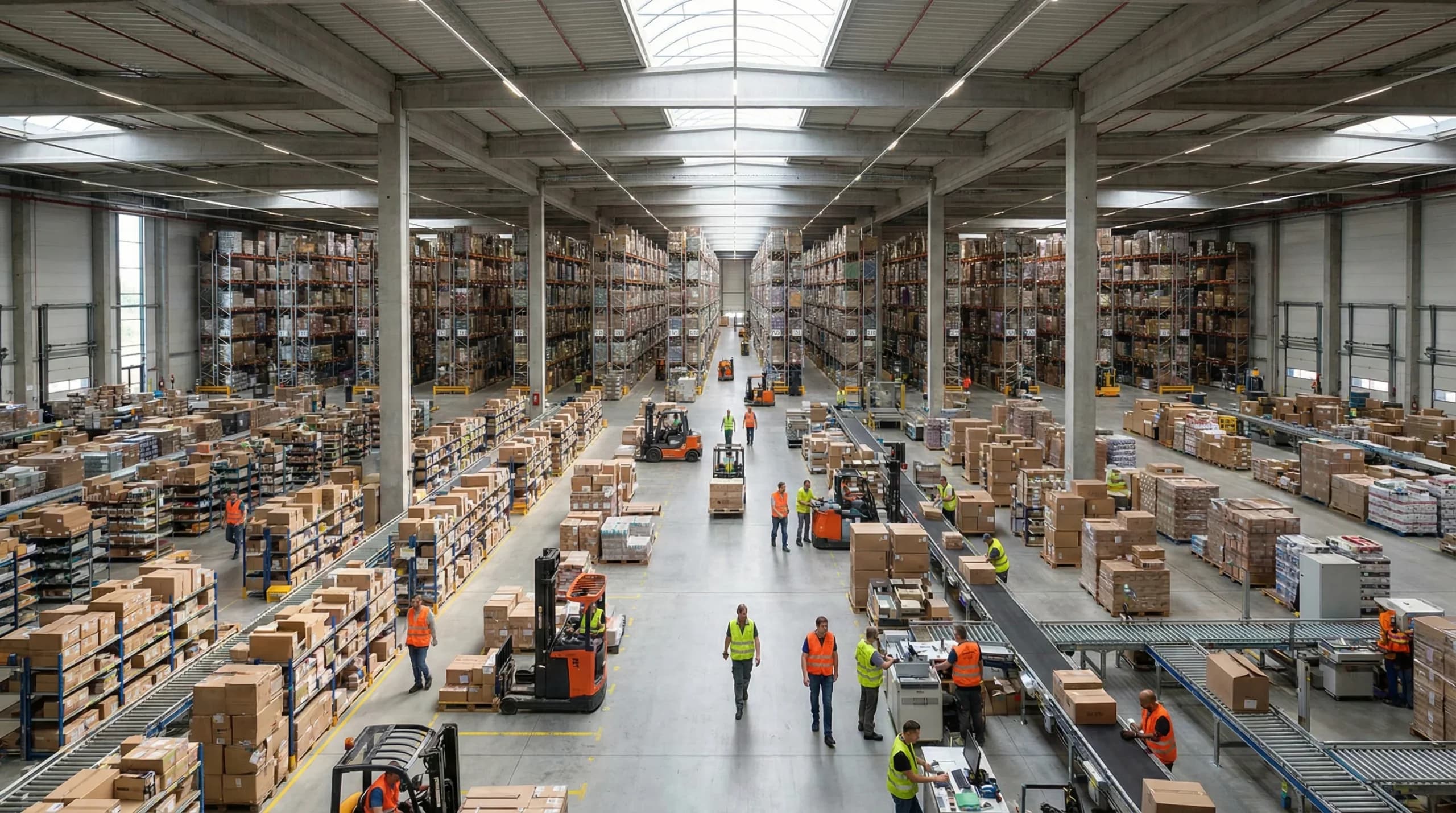
The logistics industry continues evolving rapidly. Understanding emerging trends helps you evaluate potential 3PL partners and prepare your business for what’s coming.
Emerging Technologies
Artificial Intelligence and Machine Learning: AI is already transforming several aspects of 3PL operations. Demand forecasting algorithms analyze historical data, seasonal patterns, and external factors to predict future inventory needs with increasing accuracy. Route optimization uses machine learning to identify the most efficient delivery paths, reducing transportation costs and improving delivery times. Chatbots and automated systems handle routine customer inquiries about order status and tracking.
The next wave of AI applications will likely focus on predictive maintenance (anticipating equipment failures before they occur), dynamic pricing (adjusting shipping options based on real-time capacity and demand), and anomaly detection (identifying unusual patterns that might indicate problems).
Internet of Things (IoT): Connected devices are providing unprecedented visibility into supply chain operations. Sensors track location, temperature, humidity, and shock exposure throughout the shipping process. This data enables better monitoring of sensitive products, more accurate delivery predictions, and faster identification of problems.
In warehouses, IoT technology powers smart inventory management. Sensors can detect when stock levels fall below thresholds, automatically triggering replenishment orders. Wearable devices guide workers through picking tasks more efficiently. The infrastructure for these applications is becoming more affordable, making them accessible to a broader range of operations.
Blockchain: While still emerging, blockchain technology offers potential benefits for supply chain transparency and documentation. Immutable records of transactions and product movements could simplify verification, reduce fraud, and improve traceability. Initial applications are appearing in industries where provenance matters most – pharmaceuticals, luxury goods, and food products.
Robotics and Automation: Warehouse robotics has advanced significantly in recent years. Automated guided vehicles (AGVs) move inventory within facilities. Robotic arms assist with picking and packing. Autonomous mobile robots (AMRs) navigate warehouse floors alongside human workers. These technologies don’t replace humans entirely but augment their capabilities and handle repetitive tasks.
Evolving Customer Expectations
Technology isn’t the only driver of change. Customer expectations continue rising, creating pressure throughout the supply chain. Same-day and next-day delivery, once remarkable, are becoming baseline expectations for many product categories. Real-time tracking has shifted from optional feature to standard requirement.
Sustainability concerns are also reshaping logistics. Customers increasingly prefer companies that minimize environmental impact. This translates into demand for reduced packaging, carbon-neutral shipping options, and transparent reporting on environmental metrics. 3PL providers who invest in sustainability initiatives will have an advantage in attracting environmentally conscious clients.
The convergence of these trends points toward logistics operations that are faster, more visible, more sustainable, and more automated than today’s standard. Companies that partner with forward-thinking 3PL providers position themselves to benefit from these advances without bearing the full cost of development and implementation.
Preparing Your Business
How should you respond to these trends? A few practical suggestions:
First, evaluate potential 3PL partners partly on their technology roadmap. Ask about planned investments, innovation initiatives, and how they’re preparing for industry changes. A provider who seems unaware of or uninterested in emerging technologies may struggle to remain competitive.
Second, build flexibility into your contracts and systems. The logistics landscape will continue evolving, and rigid arrangements limit your ability to adapt. Partners who welcome ongoing optimization and experimentation make better long-term allies.
Third, invest in your own data capabilities. Even with a 3PL handling operations, you need to understand what’s happening and why. Strong analytics allow you to identify opportunities, hold partners accountable, and make informed decisions about your supply chain strategy.
Making the Right Choice for Your Business
We’ve covered substantial ground in this guide – from the fundamentals of 3PL operations to emerging technologies reshaping the industry. Let’s bring it together with practical guidance for moving forward.
Successful third party logistics operations depend on finding the right partner and building a strong working relationship. Not every 3PL provider will be right for your business. Consider factors beyond price: technology capabilities, geographic coverage, industry experience, cultural fit, and willingness to collaborate on continuous improvement.
Take the evaluation process seriously. Visit facilities if possible. Talk to existing clients. Test system integrations before full commitment. The effort invested in selection pays dividends throughout the partnership.
Remember that transitioning to 3PL is a change management challenge as much as a logistics project. Communicate clearly with your team about what’s changing and why. Address concerns proactively. Celebrate early wins to build momentum.
Finally, approach the partnership with realistic expectations. 3PL logistics operations offer significant benefits, but they don’t solve every problem overnight. The best outcomes emerge from sustained collaboration, honest communication, and commitment to continuous improvement from both parties.
Ready to Transform Your Logistics Operations?
If you’ve recognized your own challenges in this article – the inventory discrepancies, the operational bottlenecks, the growing complexity – you’re in good company. Countless businesses have faced these same obstacles and found solutions through smarter logistics partnerships.
The path forward starts with understanding your options. Whether you’re exploring 3PL for the first time or looking to optimize existing operations, the right warehouse management approach makes all the difference.
Ready to take the next step? Schedule a personalized consultation with our team to discuss your specific logistics challenges and goals. We’ll help you understand how modern warehouse management solutions can address your needs.
Looking to learn more before committing to a conversation? Explore our warehouse management platform to see how leading companies are solving the challenges we’ve discussed throughout this guide.
Your competitors are already optimizing their 3PL warehouse operations. The question isn’t whether to improve your logistics – it’s how quickly you can get started.
Frequently Asked Questions
What are 3PL logistics operations?
3PL logistics operations involve outsourcing logistics and supply chain functions to an external provider. These providers manage tasks like warehousing, shipping, and inventory tracking. By doing so, businesses can focus on core activities and leverage the expertise of specialists. This approach often results in more efficient logistics processes and cost savings.
How do third-party logistics operations improve efficiency?
Third-party logistics operations improve efficiency by utilizing specialized infrastructure and expertise. They handle complex logistics tasks, allowing businesses to focus on growth. These providers offer services like order fulfillment and transportation coordination, which streamline operations. As a result, companies often experience faster delivery times and reduced operational costs.
What services are included in 3PL warehouse operations?
3PL warehouse operations typically include receiving, storing, and managing inventory. They also involve order picking, packing, and shipping, along with handling returns. Providers may offer real-time inventory visibility and analytics. The scope of services can vary, so it’s important to choose a provider that matches your specific needs.
Why should businesses consider 3PL logistics operations?
Businesses should consider 3PL logistics operations to offload complex logistics tasks to specialists. This allows companies to focus on their core competencies and growth. 3PL providers offer expertise and infrastructure that can enhance efficiency and reduce costs. By partnering with a 3PL, businesses can benefit from improved logistics performance and customer satisfaction.
How do 3PL warehouse operations manage inventory effectively?
3PL warehouse operations manage inventory effectively by utilizing advanced technologies and strategic locations. They provide real-time visibility and analytics to track inventory levels accurately. This ensures efficient storage and quick order fulfillment. By leveraging these capabilities, businesses can maintain optimal inventory levels and reduce stockouts or overstock situations.