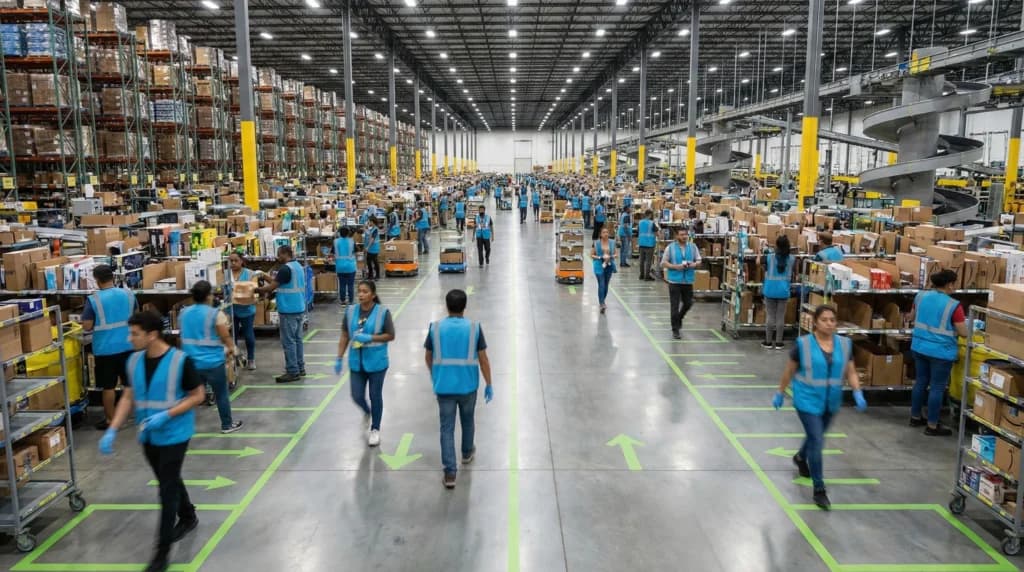

You might be wondering why some warehouses run like clockwork while others struggle with constant inventory discrepancies, delayed shipments, and frustrated customers. The answer often comes down to one critical difference: warehouse management software. WMS systems have become the backbone of efficient distribution operations, transforming how businesses track inventory, fulfill orders, and manage their supply chains. Whether you’re running a small distribution center or overseeing multiple facilities, the right warehouse software can mean the difference between operational chaos and consistent profitability.
But with dozens of options on the market, how do you know which solution fits your business? What features actually matter, and what should you expect from implementation? This guide answers these questions and more, giving you the knowledge you need to make an informed decision about your warehouse technology investment.
What Exactly Is WMS Software and Why Does It Matter?
At its core, warehouse management software is a specialized application designed to control and optimize daily warehouse operations. Think of it as the central nervous system of your distribution center – coordinating everything from the moment inventory arrives at your dock to the second it ships out to customers.
Modern WMS systems handle a remarkable range of tasks that would otherwise require manual tracking, spreadsheets, and significant labor hours. These systems manage receiving processes, put-away logic, inventory tracking across multiple locations, pick path optimization, packing verification, and shipping integration. The result is a unified platform that provides real-time visibility into every aspect of your warehouse operation.
How WMS Systems Have Evolved
Early warehouse software focused primarily on basic inventory tracking – essentially digital versions of paper-based systems. Today’s solutions are dramatically more sophisticated. They incorporate barcode and RFID scanning, integrate with enterprise resource planning (ERP) systems, connect to e-commerce platforms, and increasingly use artificial intelligence to optimize operations.
This evolution matters because customer expectations have changed fundamentally. Same-day and next-day shipping, once considered premium services, are now baseline expectations for many consumers. Meeting these demands without proper warehouse management software is nearly impossible at scale.
The Real Cost of Operating Without Proper Warehouse Software
Consider what happens in a warehouse without adequate WMS systems. Workers spend excessive time searching for products. Inventory counts become unreliable, leading to stockouts or overstock situations. Order accuracy suffers, resulting in returns and customer complaints. Shipping errors increase, damaging relationships with carriers and customers alike.
According to industry research from Supply Chain Dive, inventory inaccuracy alone costs retailers billions annually in lost sales and excess inventory carrying costs. Effective warehouse management software addresses these issues directly by providing accurate, real-time data and automating error-prone manual processes.
What Are the Must-Have Features in Warehouse Management Software?

Not all WMS systems offer the same capabilities, and understanding which features deliver genuine value helps you evaluate solutions effectively. Here are the core functionalities that separate adequate systems from exceptional ones.
Real-Time Inventory Management
Accurate inventory data forms the foundation of effective warehouse operations. Quality warehouse software provides real-time visibility into stock levels, locations, and movements across your entire facility – or multiple facilities if you operate a distributed network.
Key inventory management capabilities include:
- Cycle counting and perpetual inventory tracking
- Lot and serial number tracking for regulated industries
- Expiration date management for perishable goods
- Multi-location inventory visibility across warehouses
- Automatic reorder point alerts and low-stock notifications
- Inventory valuation and cost tracking
These features eliminate the guesswork that plagues operations relying on periodic manual counts. When you know exactly what you have and where it’s located, you can make better purchasing decisions, prevent stockouts, and reduce carrying costs on slow-moving items.
Intelligent Order Fulfillment
Order fulfillment represents the moment of truth for any warehouse operation. This is where promises made to customers are either kept or broken. Effective WMS systems optimize every step of the fulfillment process.
Wave planning functionality groups orders intelligently, reducing travel time for pickers. Pick path optimization ensures workers follow the most efficient routes through the warehouse. Zone picking and batch picking capabilities allow warehouses to process high volumes without proportionally increasing labor costs.
Modern warehouse management software also supports multiple picking methodologies, recognizing that different order profiles may benefit from different approaches. A single-item e-commerce order might be handled differently than a large wholesale shipment, even within the same facility.
Comprehensive Reporting and Analytics
You can’t improve what you don’t measure. Advanced warehouse software provides detailed reporting on key performance indicators that matter to your operation.
Essential metrics typically include:
- Order accuracy rates and error tracking
- Pick rates and productivity by worker or zone
- Inventory turn rates and aging analysis
- Receiving and put-away efficiency
- Shipping performance and carrier compliance
- Space utilization across the facility
Beyond standard reports, modern WMS systems increasingly offer customizable dashboards that let managers focus on the metrics most relevant to their specific challenges. This visibility enables data-driven decision making rather than gut-feel management.
How Do You Compare Different WMS Systems Effectively?
Choosing between competing warehouse management software solutions requires more than comparing feature lists. The best system for your operation depends on your specific circumstances, growth plans, and operational complexity.
Critical Evaluation Criteria
When comparing WMS systems, consider these factors beyond basic functionality:
Scalability: Can the system grow with your business? A solution that works for 1,000 orders per day might struggle at 10,000. Understand the performance ceiling and what upgrades or changes would be required as you scale.
Integration Capabilities: Modern warehouses don’t operate in isolation. Your warehouse software needs to connect with ERP systems, e-commerce platforms, shipping carriers, and potentially other specialized tools. Evaluate the available integration options and connectivity to ensure compatibility with your existing technology stack.
Implementation Timeline: Some WMS systems require months of customization before going live. Others offer faster deployment with pre-built configurations. Your operational needs should dictate which approach makes sense.
Total Cost of Ownership: Initial licensing or subscription costs tell only part of the story. Factor in implementation services, training, ongoing support, hardware requirements, and potential customization needs when calculating the true investment.
Questions to Ask During Vendor Evaluation
Preparing the right questions helps you get beyond marketing materials to understand how a solution actually performs. Consider asking vendors:
- How many customers in my industry currently use your system?
- What does your typical implementation timeline look like?
- How are system updates handled, and how often do they occur?
- What level of customization is possible without custom development?
- How does your support model work after implementation?
- Can you provide references from companies similar to mine?
The answers reveal important differences between vendors that might not be apparent from feature comparisons alone.
What Do Successful WMS Implementations Look Like?

Understanding how other organizations have benefited from warehouse management software provides valuable context for your own evaluation. While every implementation is unique, certain patterns emerge from successful deployments.
Transformation in Distribution Operations
Consider a mid-sized distributor struggling with rapid growth. Their manual processes and basic inventory tracking couldn’t keep pace with increasing order volumes. Pickers spent significant time searching for products, order accuracy hovered around 94%, and shipping delays were becoming routine.
After implementing modern warehouse software with proper integration to their existing systems, the transformation was substantial. Barcode scanning eliminated manual data entry errors. Optimized pick paths reduced travel time significantly. Real-time inventory visibility prevented the stockouts that had been frustrating customers.
Within six months of going live, order accuracy improved to over 99%, picking productivity increased by roughly 30%, and shipping delays became rare exceptions rather than daily occurrences. The investment in warehouse management software paid for itself within the first year through labor savings and reduced error-related costs.
Multi-Channel Retail Success
A growing retailer faced different challenges. They were selling through multiple channels – their own e-commerce site, marketplace platforms, and wholesale accounts – but managing inventory across these channels had become chaotic. Overselling was common, and different systems held conflicting inventory data.
Implementing unified WMS systems changed their operational reality. A single source of truth for inventory eliminated overselling issues. Automated order routing directed fulfillment to the optimal location based on proximity and stock availability. The warehouse software connected to their various sales channels through API integration capabilities, ensuring real-time inventory updates across all platforms.
The retailer reduced inventory carrying costs by approximately 20% while simultaneously improving fill rates and customer satisfaction scores.
What Future Trends Will Shape Warehouse Software?
Warehouse management software continues to evolve rapidly. Understanding emerging trends helps you select a solution positioned for the future rather than one anchored in the past.
Artificial Intelligence and Predictive Analytics
AI is moving from buzzword to practical reality in warehouse operations. Modern WMS systems increasingly incorporate machine learning to predict demand patterns, optimize inventory positioning, and identify potential problems before they impact operations.
Predictive analytics can anticipate which products will see increased demand based on historical patterns, seasonal trends, and external factors. This enables proactive inventory positioning rather than reactive restocking. Some advanced warehouse software can even predict equipment maintenance needs, preventing unexpected downtime.
The practical benefit is operations that get smarter over time. As the system accumulates data about your specific operation, its recommendations and optimizations become increasingly accurate and valuable.
Cloud-Based Deployment Models
The shift toward cloud-based WMS systems continues to accelerate. Cloud deployment eliminates the need for on-premise servers, reduces IT infrastructure requirements, and typically offers more flexible pricing models based on usage.
Beyond cost considerations, cloud-based warehouse management software provides inherent advantages for multi-location operations. Data synchronizes automatically across facilities. Updates deploy simultaneously to all users. Remote access enables management oversight from anywhere with internet connectivity.
Industry analysts at Logistics Management report that cloud WMS adoption has accelerated significantly in recent years, with businesses of all sizes recognizing the flexibility and reduced complexity these solutions offer.
Enhanced Automation Integration
Warehouse automation – from conveyor systems to autonomous mobile robots – is becoming more accessible and prevalent. Future-ready warehouse software must integrate effectively with these technologies, coordinating automated equipment with human workers and traditional processes.
The most adaptable WMS systems provide open architectures that can accommodate new automation technologies as they emerge and become economically viable for your operation. This flexibility protects your software investment even as your physical warehouse evolves.
How Can You Ensure Successful WMS Adoption?
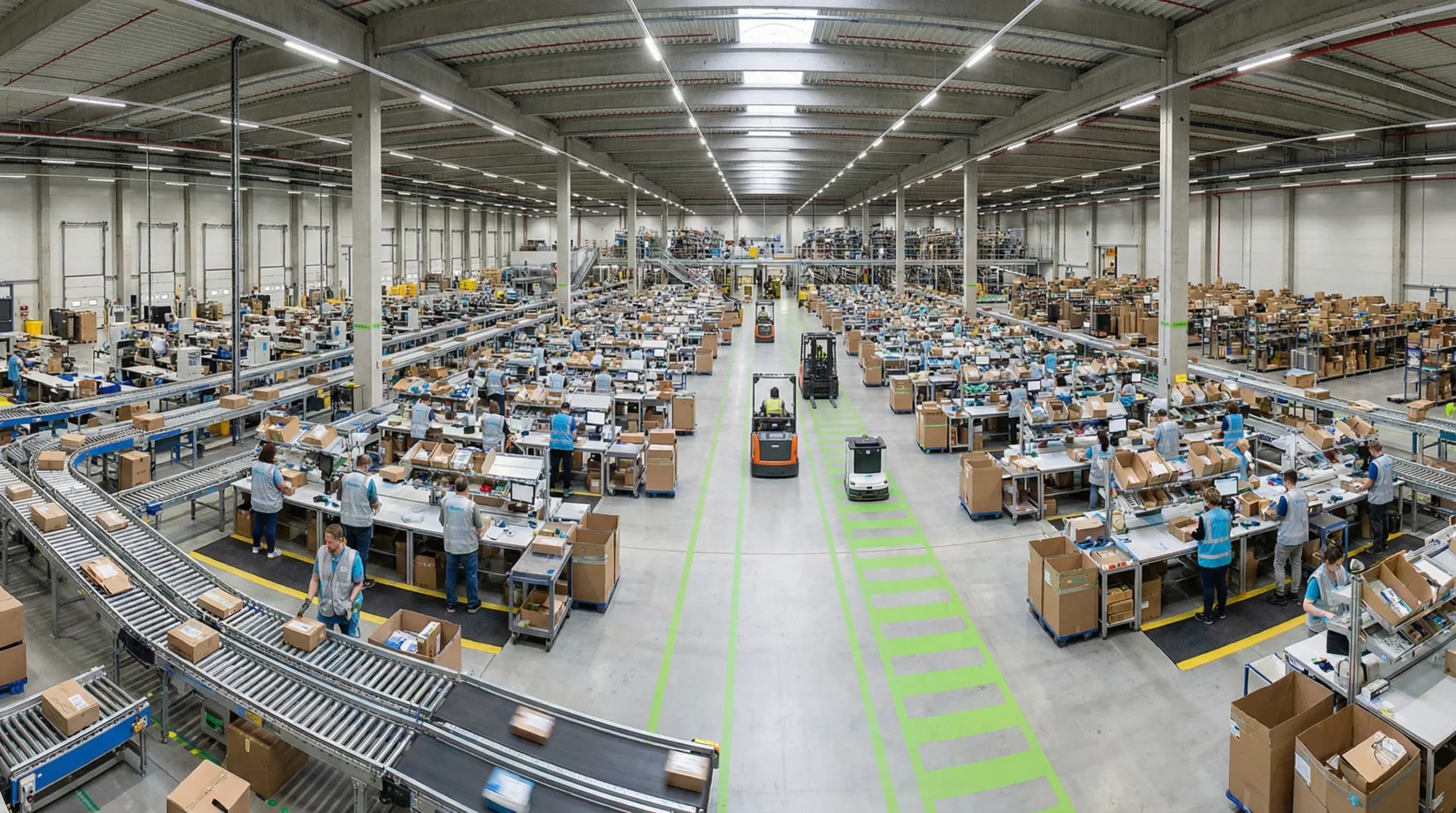
Even the best warehouse management software will fail to deliver value if implementation is poorly executed. Successful adoption requires careful planning, adequate resources, and realistic expectations.
Essential Pre-Implementation Planning Steps
Before any software installation begins, thorough preparation sets the stage for success:
Document Current Processes: Understanding how your warehouse operates today – including workarounds and unofficial procedures – helps ensure the new system addresses actual needs rather than theoretical ones.
Clean Your Data: Migrating inaccurate inventory data into a new WMS system just transfers problems to a new platform. Conduct physical inventory counts and resolve discrepancies before go-live.
Define Success Metrics: Establish clear, measurable goals for the implementation. What specific improvements do you expect? Defining these upfront enables objective evaluation of the project’s success.
Identify Integration Requirements: Map out all systems that need to connect with your new warehouse software. Understanding these requirements early prevents surprises during implementation. Consider what shipping software integrations you’ll need for your carrier relationships.
Plan for Exceptions: Every warehouse handles situations that don’t fit standard processes. Identify these edge cases early and ensure the WMS system can accommodate them.
Training and Change Management
Technology alone doesn’t transform operations – people do. Investing in comprehensive training ensures your team can fully utilize the capabilities of your new WMS systems.
Effective training programs typically include:
- Role-based training tailored to different user types
- Hands-on practice in a test environment before go-live
- Reference materials for ongoing support
- Identification of power users who can help colleagues
- Refresher training after initial learning curves level off
Change management matters equally. Workers accustomed to existing processes may resist new systems, even when those systems are objectively better. Communication about why changes are happening, involvement in the implementation process, and recognition of concerns all help smooth the transition.
Post-Implementation Optimization
Going live is a beginning, not an ending. The most successful warehouse software implementations include planned reviews and optimization phases after the initial deployment stabilizes.
Schedule regular check-ins to review system performance against your defined success metrics. Identify processes that aren’t working as expected and adjust configurations accordingly. Gather feedback from users about pain points and improvement opportunities.
Many WMS systems offer features that organizations don’t initially implement. Once your team is comfortable with core functionality, consider expanding usage to capture additional value from your investment.
Making Your Decision: Next Steps for Evaluating WMS Solutions
Selecting warehouse management software represents a significant decision with long-term implications for your operation. The right choice aligns with your current needs while providing room to grow. The wrong choice creates frustration, inefficiency, and eventual replacement costs.
Start by honestly assessing your current operational challenges. Where are the bottlenecks? What errors occur most frequently? Which processes consume disproportionate labor? These pain points should drive your feature priorities.
Consider your growth trajectory. A solution that fits perfectly today but can’t scale with your business creates problems down the road. Understanding why adaptability matters helps you evaluate solutions with the future in mind.
Finally, don’t underestimate the importance of vendor partnership. You’re not just buying software – you’re entering a relationship that will span years. The vendor’s stability, support quality, and commitment to ongoing development all matter significantly.
Ready to see how modern warehouse management software can transform your operation? Explore SphereWMS solutions to understand what’s possible. Request a personalized demo to see the platform in action with scenarios relevant to your business. Or contact our team directly to discuss your specific challenges and learn how the right WMS system can address them.
Frequently Asked Questions
What is warehouse management software and why is it important?
Warehouse management software is a tool that optimizes daily warehouse operations. It acts as the central nervous system of a distribution center, coordinating tasks from inventory arrival to shipment. This software reduces manual tracking and labor hours, enhancing efficiency and accuracy. By providing real-time visibility, it ensures seamless operations, ultimately leading to improved customer satisfaction and profitability.
How do WMS systems improve warehouse efficiency?
WMS systems enhance warehouse efficiency by automating various operational tasks. They manage inventory tracking, optimize pick paths, and integrate with shipping processes. These systems reduce errors, streamline workflows, and save significant labor time. By offering real-time data, they enable better decision-making and faster response to changes in demand.
Why are modern WMS systems better than older ones?
Modern WMS systems surpass older versions due to advanced features like barcode scanning and ERP integration. They offer enhanced inventory management and connectivity with e-commerce platforms. These improvements meet evolving customer expectations for faster shipping. The use of AI in modern systems further optimizes operations, ensuring warehouses can keep pace with market demands.
What happens without proper warehouse software?
Operating without proper warehouse software leads to inefficiencies and errors. Workers spend excessive time locating products, and inventory counts become unreliable. This results in stockouts, overstock, and shipping errors, damaging customer relationships. A lack of real-time data hinders decision-making, ultimately affecting profitability and customer satisfaction.
How do WMS systems integrate with other business tools?
WMS systems integrate seamlessly with other business tools like ERP and e-commerce platforms. This integration ensures synchronized data across operations, improving efficiency and accuracy. It allows for better inventory management and streamlined order processing. Such connectivity is crucial for meeting modern consumer expectations for speed and reliability.