Discover how an automated sorting conveyor system can revolutionize your business operations.
Automated sorting conveyor systems have revolutionized the way businesses manage their logistics operations. With their ability to streamline processes and improve efficiency, these systems offer a host of benefits that can significantly impact a company’s bottom line. In this article, we will explore the various advantages of implementing automated sorting conveyor systems, the industries that can benefit from them, how to select the right system, and the future trends in this technology.
Understanding Automated Sorting Conveyor Systems
Before diving into the benefits, it is important to have a clear understanding of what automated sorting conveyor systems entail. These systems consist of several key components that work together to transport, sort, and distribute items with speed and precision.
Automated sorting conveyor systems are revolutionizing the way warehouses and distribution centers handle their operations. By utilizing advanced technology and intricate machinery, these systems streamline the process of sorting and organizing items, ultimately increasing efficiency and reducing human error.
Key Components of Automated Sorting Conveyor Systems
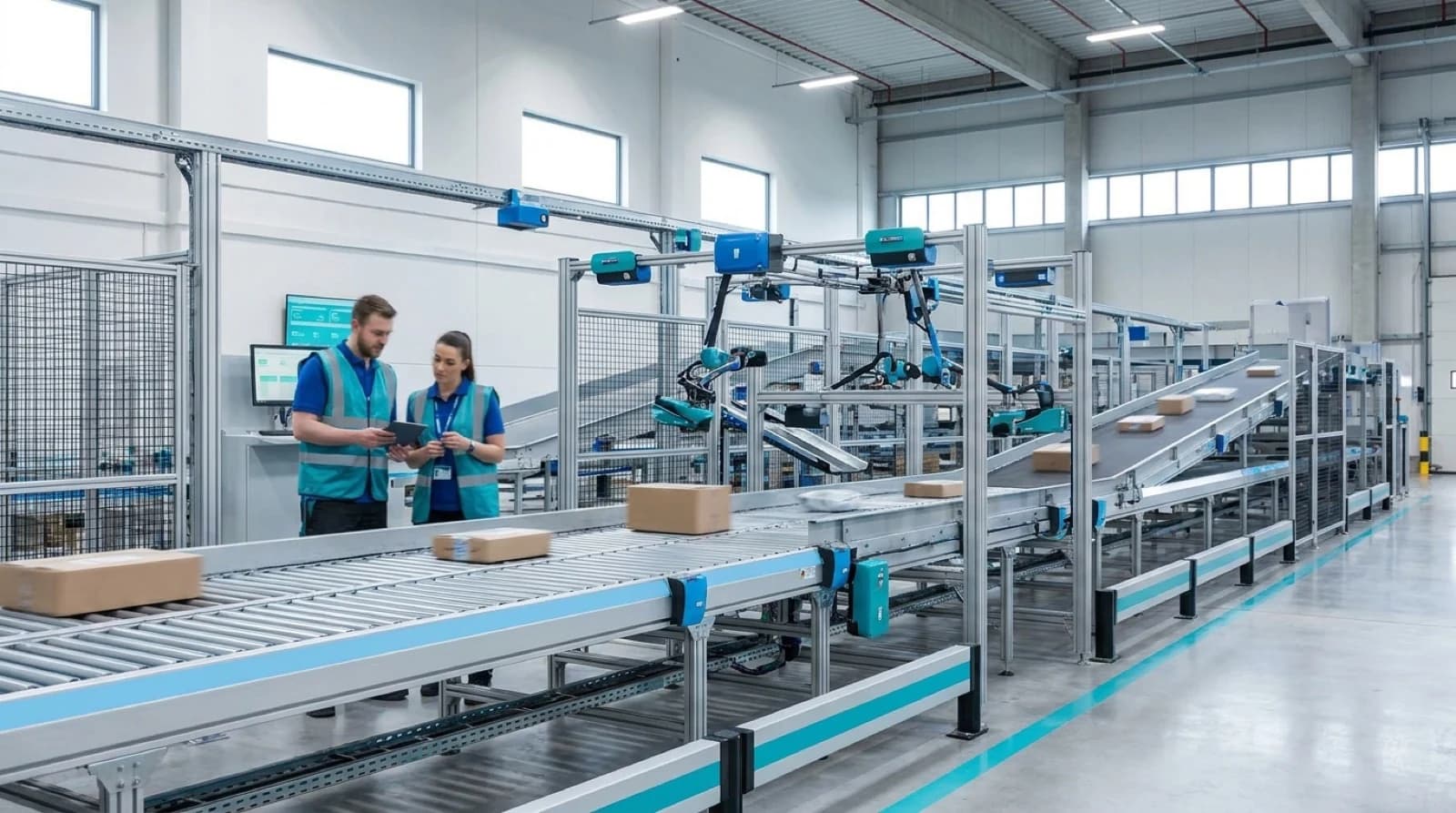
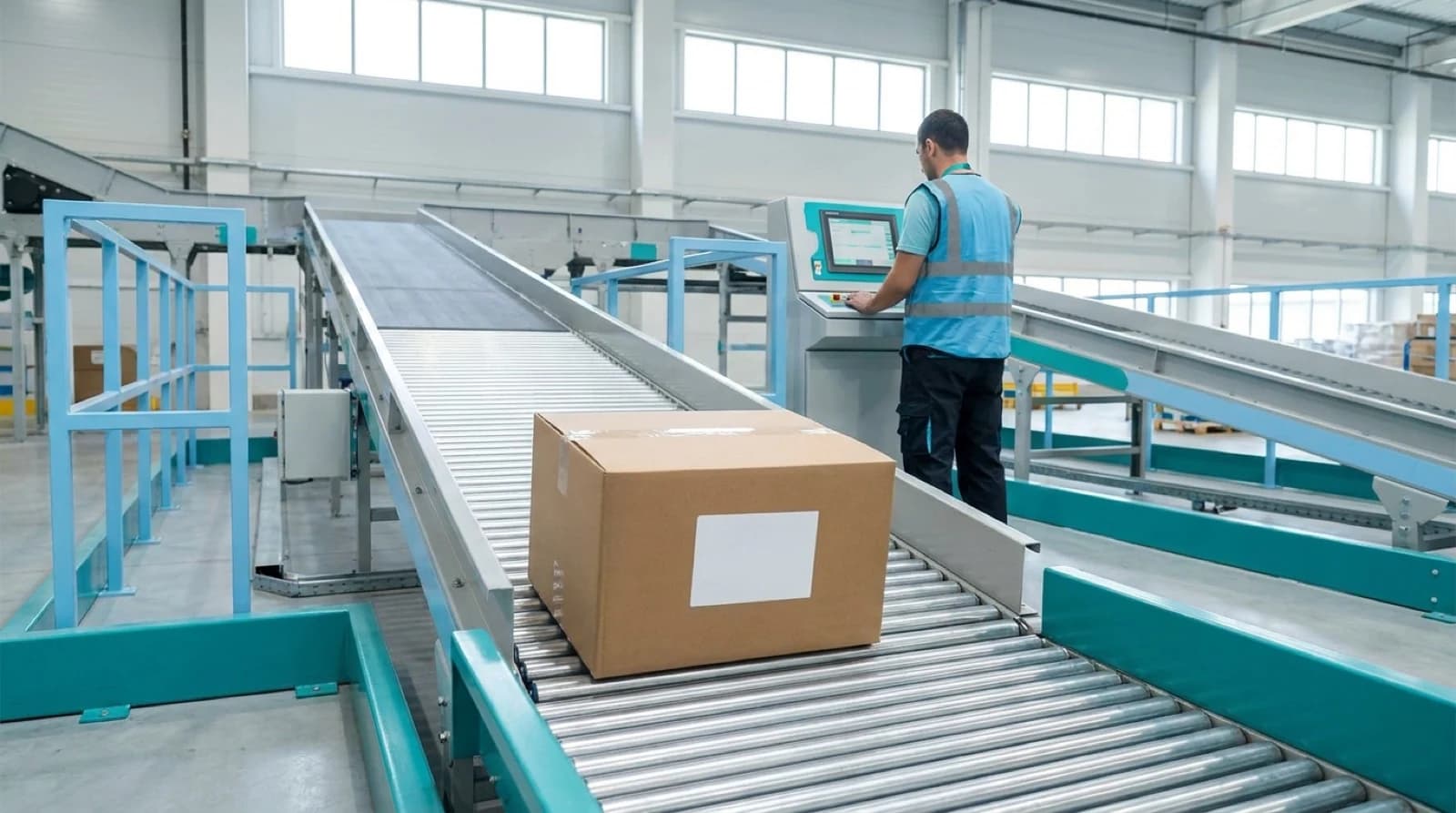
The main components of an automated sorting conveyor system include the conveyor belts, sensors, controllers, diverters, and sorting modules. The conveyor belts are responsible for moving items along the system, while the sensors detect these items and trigger the controllers to initiate the sorting process. Diverters then direct the items into the appropriate chutes or containers based on predefined criteria. Lastly, the sorting modules work to organize the items based on barcodes, sizes, weights, or other unique identifiers.
Each component plays a crucial role in the seamless operation of the system. The conveyor belts ensure a smooth flow of items, while the sensors act as the system’s eyes, detecting and identifying each item that passes through. Controllers act as the brain of the system, making split-second decisions on where each item should go, and diverters physically guide the items to their designated locations. The sorting modules add an extra layer of precision, ensuring that items are accurately grouped and organized.
How Does an Automated Sorting Conveyor System Work?
When an item enters the system, it is first detected by the sensors. The sensors send a signal to the controllers, which determine the destination of the item based on the predefined sorting criteria. The diverters then guide the item into the correct chute or container, ensuring that it reaches its intended destination. This entire process is carried out seamlessly, resulting in a highly efficient and accurate sorting system.
The efficiency of automated sorting conveyor systems is unmatched, with the ability to process thousands of items per hour with minimal errors. This level of automation not only speeds up the sorting process but also reduces labor costs and increases overall productivity in warehouse and distribution settings.
Advantages of Implementing Automated Sorting Conveyor Systems
There are numerous advantages associated with the implementation of automated sorting conveyor systems. Let’s take a closer look at some of the key benefits:
Efficiency and Productivity Boost
One of the primary advantages of automated sorting conveyor systems is the significant boost in efficiency and productivity. These systems can handle large volumes of items at a rapid pace, reducing processing times and increasing throughput. Manual sorting processes can be labor-intensive and prone to errors, while automated systems can handle the task with precision and speed.
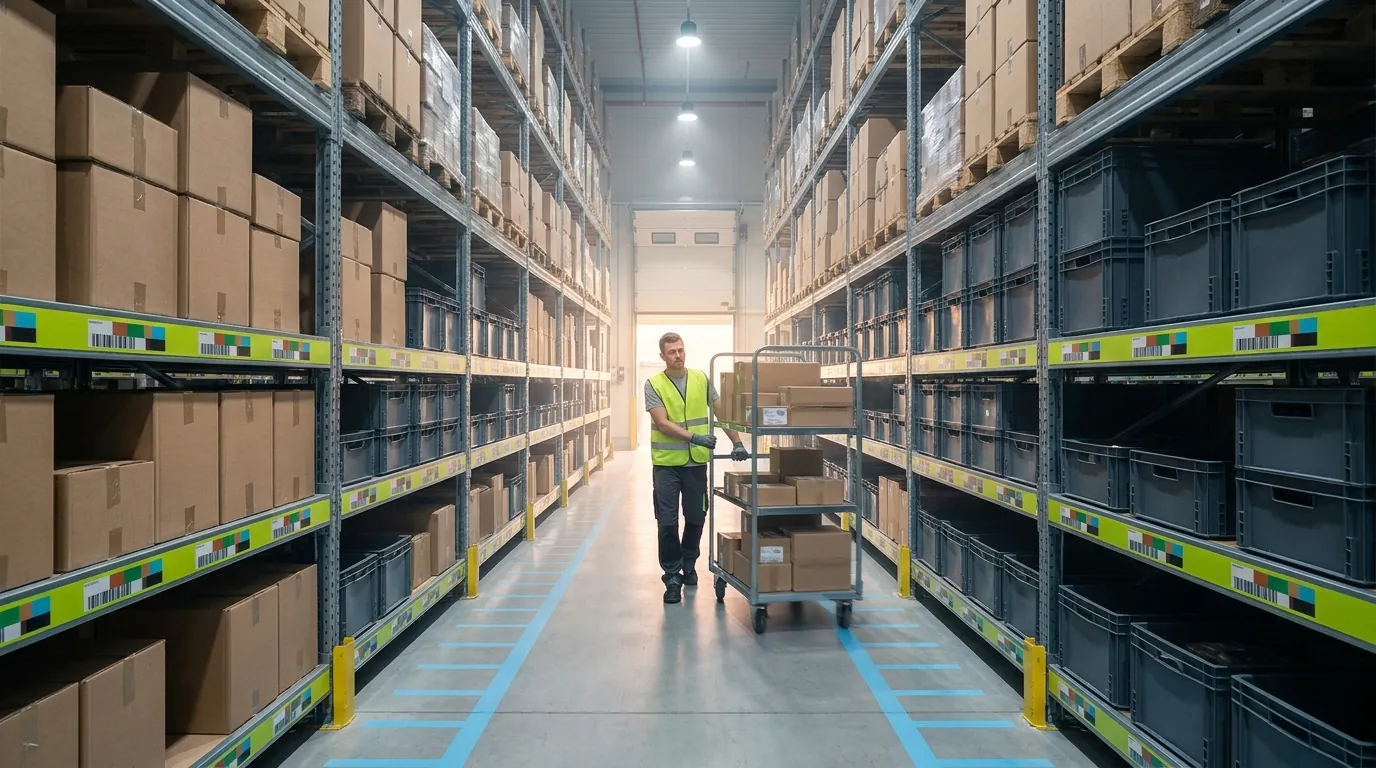
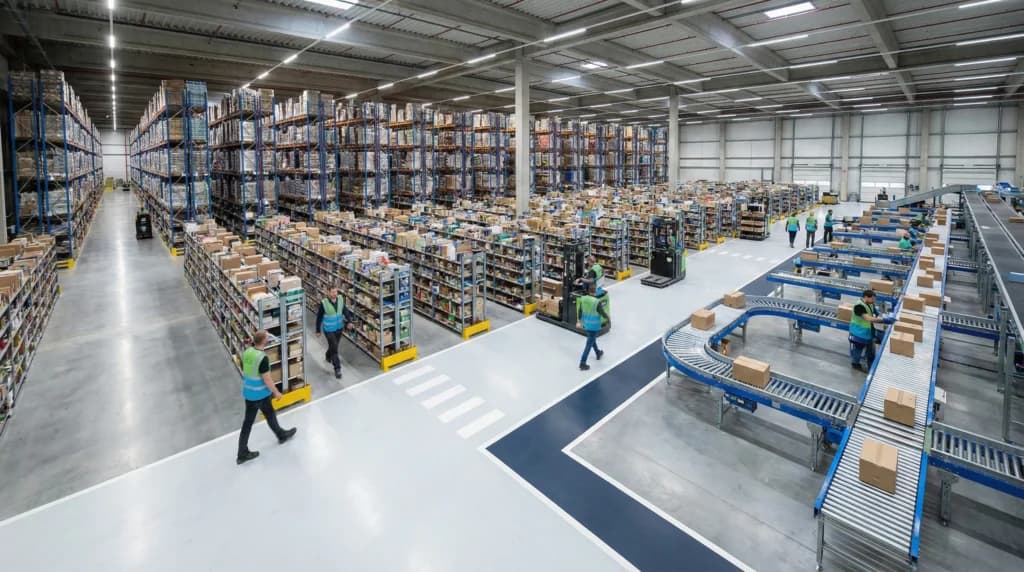
Imagine a bustling warehouse, filled with a constant flow of incoming and outgoing packages. With an automated sorting conveyor system in place, the once chaotic scene transforms into a well-oiled machine. The conveyor belts seamlessly transport packages from one end to another, while advanced algorithms and sensors identify the destination of each item. The efficiency of the system ensures that packages are sorted and dispatched in record time, meeting tight deadlines and exceeding customer expectations.
Reduction in Labor Costs
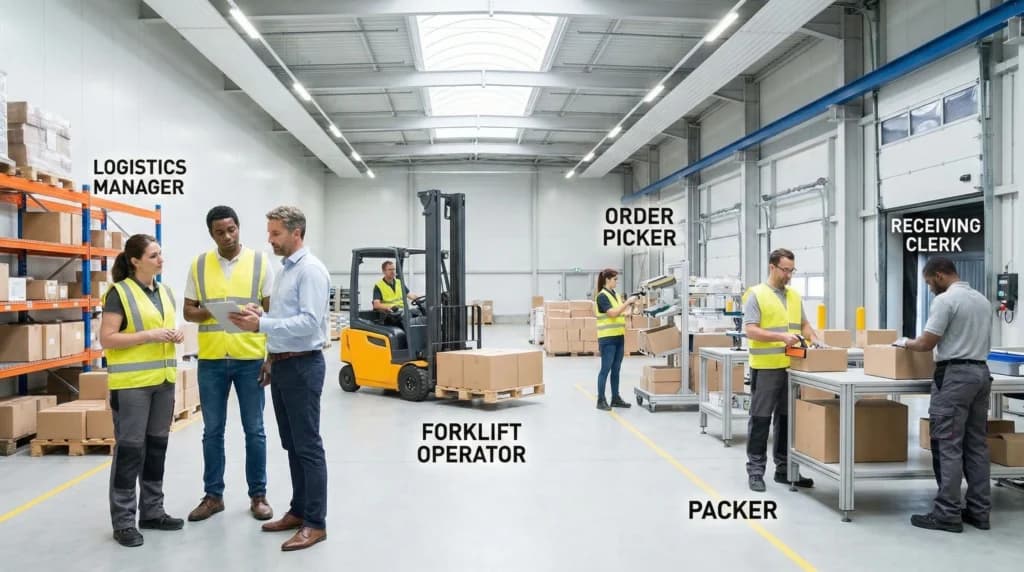
By automating the sorting process, businesses can reduce their dependency on manual labor, leading to potential cost savings. Instead of allocating a large workforce to sort items manually, employees can be redirected to other value-added tasks within the organization. This not only cuts down on labor costs but also enables businesses to allocate their resources more effectively.
Picture a company that previously relied on a team of workers to manually sort through a mountain of packages. With the implementation of an automated sorting conveyor system, the need for such a large workforce diminishes. Employees can now be assigned to tasks that require human expertise, such as quality control or customer service. This not only improves the overall efficiency of the organization but also enhances employee satisfaction as they can focus on more meaningful and fulfilling work.
Improved Accuracy and Reduced Errors
Automated sorting conveyor systems offer a high level of accuracy when it comes to sorting items. With advanced sensors and sorting modules, these systems can quickly and accurately identify and categorize items based on specific criteria. This reduces the chances of errors and ensures that items are sorted correctly, leading to improved customer satisfaction and reduced returns.
Consider the frustration of receiving the wrong package or having an item misplaced during the sorting process. With an automated sorting conveyor system, such mishaps become a thing of the past. The system’s sensors meticulously scan each package, cross-referencing it with the designated destination. Any discrepancies are immediately flagged, allowing for swift corrective action. This attention to detail not only saves businesses from costly errors but also enhances their reputation for reliability and accuracy.
Read more:Picking & Packing in Warehouse Operations: What it is, How to do it Right
Industries that Benefit from Automated Sorting Conveyor Systems
Automated sorting conveyor systems have found applications in various industries. Let’s explore a few of the sectors that can benefit greatly from this technology:
Retail and E-commerce Industry
With the rise of online shopping, the retail and e-commerce industry has seen a surge in the demand for automated sorting conveyor systems. These systems enable efficient sorting and distribution of diverse items, ensuring that orders are fulfilled quickly and accurately. They also help retailers keep up with the ever-increasing volumes of online orders.
Additionally, in the e-commerce sector, automated sorting conveyor systems can be integrated with barcode scanning technology to further enhance order accuracy and tracking. This level of automation not only speeds up the order fulfillment process but also reduces the likelihood of errors in shipment, leading to higher customer satisfaction rates and repeat business.
Manufacturing Industry
In the manufacturing industry, automated sorting conveyor systems play a crucial role in streamlining the production and packaging processes. By automating the sorting of raw materials, components, and finished products, manufacturers can optimize their workflows and ensure timely delivery to customers.
Moreover, in the manufacturing sector, these conveyor systems can also aid in quality control by efficiently segregating defective products from the production line. This not only reduces the chances of faulty items reaching the market but also helps in maintaining the reputation of the brand for delivering high-quality products consistently.
Food and Beverage Industry
In the food and beverage industry, automated sorting conveyor systems play a critical role in ensuring the freshness and quality of products. These systems can sort perishable items, such as fruits, vegetables, and dairy products, based on factors like ripeness, weight, and expiration dates. This helps businesses maintain high product standards and minimize waste.
Moreover, in food processing facilities, automated sorting conveyor systems can be equipped with sensors and detectors to identify foreign objects or contaminants in the food products, ensuring compliance with food safety regulations. By implementing such advanced technology, companies can uphold their commitment to delivering safe and hygienic food products to consumers, thereby building trust and loyalty in the market.
Selecting the Right Automated Sorting Conveyor System
When choosing an automated sorting conveyor system, there are several factors to consider. It’s important to assess your business needs and select a system that aligns with your specific requirements. Some key factors to consider include:
Factors to Consider When Choosing a System
Consider factors such as throughput capacity, sorting accuracy, system flexibility, ease of integration with existing processes and technologies, maintenance requirements, and long-term scalability. It’s crucial to evaluate multiple options and select a system that meets your operational needs and can adapt to future growth.
Customizing Your Conveyor System to Your Needs
In addition to selecting the right system, it’s also essential to customize your conveyor system to your unique needs. This can involve implementing additional features, such as barcode scanners, weighing scales, or specific sorting algorithms. By tailoring the system to your requirements, you can maximize its effectiveness and optimize your operations.
Future Trends in Automated Sorting Conveyor Systems
As technology continues to evolve, automated sorting conveyor systems are expected to undergo significant advancements. Some of the key trends to watch out for include:
Technological Innovations and Developments
Advancements in sensor technology, artificial intelligence, and machine learning are expected to enhance the capabilities of automated sorting conveyor systems. This includes the ability to detect and sort a wider range of items, improve accuracy, and minimize the risk of errors. These innovations will further optimize the efficiency of sorting operations.
Sustainability and Green Initiatives in Conveyor Systems
As businesses increasingly prioritize sustainability, conveyor system manufacturers are exploring eco-friendly solutions. This includes the use of energy-efficient components, recyclable materials, and optimized processes to minimize environmental impact. These sustainable practices will not only benefit the planet but also help businesses reduce costs in the long run.
Maximize Conveyor System Efficiency with SphereWMS Integration
For businesses optimizing logistics, integrating SphereWMS with automated sorting conveyor systems is transformative. Our Cloud Warehouse Management System enhances automated systems by improving your overall inventory management and through advanced system integration.
Enhancing Operations with SphereWMS:
- **Real-Time Inventory Insights:**Immediate visibility into warehouse stock ensures precise sorting and reduces errors.
- **Scalability:**As your needs grow, SphereWMS scales seamlessly, supporting any technological upgrades without disruption.
- **Data-Driven Decisions:**Advanced analytics provide insights to optimize conveyor utilization, boosting productivity.
- **Efficient Order Fulfillment:**Combining our WMS with your conveyor system speeds up processing, enhancing accuracy and customer satisfaction.
SphereWMS is more than a support tool—it’s a strategic asset designed to work hand-in-hand with advanced sorting technologies, enhancing operational efficiency and reducing costs.
Implementation Costs and ROI Analysis for Automated Sorting Systems
Understanding the financial implications of deploying an automated sorting system requires careful analysis of both upfront investment and long-term returns. Initial costs for automated sortation conveyor systems typically range from $500,000 to $5 million, depending on facility size, throughput requirements, and system complexity.
Breaking Down Implementation Costs
The total cost of ownership for automated conveyor and sortation systems includes several key components:
- Equipment and hardware: Conveyors, sorters, scanners, and control systems represent 60-70% of total project costs
- Installation and commissioning: Professional installation typically adds 15-20% to equipment costs
- Software integration: WMS connectivity and system programming account for 10-15% of the budget
- Training and change management: Staff training and operational transition costs comprise 5-10% of total investment
Calculating Return on Investment
Most businesses achieve ROI within 18-36 months through measurable operational improvements. Labor cost reduction represents the largest savings component, with facilities typically reducing sorting labor by 50-75%. Additionally, improved accuracy rates from 95% manual sorting to 99.5%+ automated sorting significantly reduce costly shipping errors and returns processing.
Productivity gains from automated sorting systems often exceed 200-400%, enabling facilities to process significantly higher volumes without proportional increases in operational costs. Energy-efficient modern systems also contribute to ongoing operational savings through reduced power consumption compared to legacy equipment.
Safety and Ergonomic Benefits of Automated Sorting Technology
Beyond operational efficiency, automated sorting conveyor systems deliver substantial improvements in workplace safety and employee well-being. Manual sorting operations expose workers to repetitive strain injuries, lifting-related injuries, and ergonomic stress that automated systems eliminate or significantly reduce.
Reducing Workplace Injuries
Automated sortation systems minimize direct worker contact with packages and products, reducing injury rates by up to 60% in typical warehouse environments. Common injury categories that see dramatic improvement include:
- Repetitive motion injuries: Automated systems eliminate continuous reaching, bending, and lifting motions
- Back and lifting injuries: Conveyors maintain optimal working heights and eliminate heavy manual lifting
- Slip and fall incidents: Organized automated workflows reduce congestion and maintain clearer walkways
- Equipment-related injuries: Advanced safety systems include emergency stops, light curtains, and protective barriers
Improving Working Conditions
Modern automated sorting systems create more comfortable work environments by reducing physical demands on employees. Workers transition from physically intensive sorting tasks to system monitoring, quality control, and exception handling roles that require less physical exertion but higher skill levels.
This shift typically results in improved employee retention rates and job satisfaction, as workers appreciate reduced physical stress and opportunities for technical skill development. Many facilities report decreased workers’ compensation claims and associated insurance costs following automated sorting implementation.
Integration Challenges and Solutions for Automated Sorting Systems
Successful deployment of automated conveyor and sortation systems requires addressing common integration challenges that can impact project timelines and performance outcomes. Understanding these potential obstacles enables proactive planning and smoother implementation processes.
Common Integration Obstacles
Legacy system compatibility represents the most frequent challenge when implementing automated sorting technology. Older warehouse management systems may lack the real-time communication capabilities required for optimal automated sorting performance. Additionally, existing facility layouts often require significant modifications to accommodate conveyor infrastructure and maintain efficient product flow.
Data synchronization between multiple systems can create bottlenecks if not properly addressed during the planning phase. Automated sortation systems require accurate, real-time product and order information to function effectively, necessitating robust data integration protocols.
Proven Solutions for Seamless Integration
Successful automated sorting system implementations typically follow a phased approach that minimizes operational disruption:
- Comprehensive system assessment: Evaluate existing infrastructure, software capabilities, and operational workflows before equipment selection
- Pilot testing: Deploy systems in limited areas to validate performance and identify optimization opportunities
- Parallel operation periods: Run automated and manual systems simultaneously during transition phases to ensure continuity
- Staff training programs: Implement comprehensive training well before system activation to ensure operator readiness
Working with experienced system integrators who understand both automated sorting technology and warehouse operations significantly improves implementation success rates. These partnerships ensure proper system sizing, appropriate technology selection, and effective change management throughout the deployment process.
Performance Metrics and KPIs for Automated Sorting Systems
Measuring the effectiveness of your automated sorting system requires tracking specific performance indicators that directly impact operational efficiency and profitability. Understanding these metrics enables warehouse managers to optimize system performance and justify continued investment in automation technology.
Essential Performance Metrics to Monitor
The most critical metrics for automated sorting system performance include throughput rates, accuracy percentages, and system uptime. Throughput rates measure the number of items processed per hour, with modern systems typically achieving 8,000 to 30,000 items per hour depending on configuration and item complexity. Sorting accuracy should consistently exceed 99.5%, while system uptime targets should reach at least 98% during operational hours.
Additional key performance indicators include:
- Dwell time: Average time items spend in the system from entry to exit
- Jam frequency: Number of system blockages per operational hour
- Energy consumption per sorted item: Power efficiency measurements
- Labor utilization rates: Comparison of manual vs. automated sorting productivity
- Peak capacity handling: System performance during high-volume periods
Benchmarking Against Industry Standards
Establishing baseline performance metrics allows for continuous improvement and system optimization. Industry benchmarks show that well-maintained automated sorting systems can reduce labor requirements by 60-80% compared to manual sorting operations. Peak season performance should maintain at least 85% of standard operational efficiency, while maintenance-related downtime should not exceed 2% of total operational hours.
Scalability Options for Growing Operations
As business volumes fluctuate and grow, automated sorting systems must adapt to changing operational demands. Understanding scalability options during the initial system design phase prevents costly retrofits and ensures long-term operational flexibility.
Modular Expansion Strategies
Modern automated sorting systems utilize modular designs that support incremental capacity increases without disrupting existing operations. Conveyor modules can be added in standardized sections, typically increasing capacity by 20-30% per expansion phase. Sorting destinations can be expanded from initial configurations of 50-100 chutes to over 500 destinations in larger facilities.
Key scalability considerations include:
- Physical space allocation: Reserve 25-40% additional floor space for future expansion
- Power infrastructure: Install electrical capacity 50% above initial requirements
- Control system architecture: Implement software platforms that support unlimited sorting destinations
- Integration points: Design interfaces that accommodate additional WMS modules and third-party systems
Seasonal and Peak Capacity Management
Effective scalability planning addresses both permanent growth and temporary capacity surges. Portable sorting modules and temporary conveyor extensions can increase peak season capacity by 40-60% without permanent infrastructure changes. These solutions typically deploy within 2-4 weeks and integrate with existing control systems through standardized communication protocols.
Successful peak capacity strategies often include automated overflow routing to manual sorting stations and dynamic load balancing across multiple sorting lines. This approach maintains system efficiency during volume spikes while preventing bottlenecks that could impact overall facility throughput.
Conclusion
In conclusion, automated sorting conveyor systems offer numerous benefits across various industries. From increasing efficiency and reducing labor costs to improving accuracy and ensuring customer satisfaction, the advantages of these systems are undeniable. By understanding the key components, selecting the right system, and keeping an eye on future trends, businesses can harness the full potential of automated sorting conveyor systems to optimize their logistics operations.
Ready to elevate your logistics operations?Contact us today to learn how SphereWMS can streamline your automated sorting system and propel your business forward.
Frequently Asked Questions
What types of automated sorting systems are available for warehouses?
Common sorting technologies include sliding shoe sorters for gentle handling of varied products, cross-belt sorters for high-speed parcel operations, tilt-tray sorters for small items, and pop-up wheel sorters for cartons. Each technology suits different product characteristics, throughput requirements, and budget constraints. Proper selection depends on your specific operational needs.
How do automated sorters improve warehouse efficiency?
Automated sorting eliminates manual handling between pick and pack stations, reducing labor costs by 40-60% in sorting operations. Sorters process thousands of items per hour with consistent accuracy exceeding 99.9%. They enable faster order cycle times, reduce shipping errors, and allow workers to focus on value-added tasks rather than repetitive sorting activities.
What throughput can automated sorting systems achieve?
Sorting capacity varies by technology and configuration. Entry-level systems handle 2,000-5,000 items per hour. Mid-range solutions process 10,000-30,000 items hourly. High-speed parcel sorters in major distribution centers exceed 100,000 sorts per hour. Select capacity based on peak volume requirements with room for growth.
How do sorting systems integrate with warehouse management software?
Modern sorters connect directly to WMS platforms via standard protocols and APIs. The WMS sends destination assignments based on order data, customer location, or carrier requirements. Real-time feedback confirms successful sorts and flags exceptions. This integration enables dynamic routing decisions and provides complete visibility into sorting operations.
What maintenance do automated sorting systems require?
Preventive maintenance includes regular inspection of belts, bearings, sensors, and divert mechanisms. Most systems require daily visual checks and weekly lubrication schedules. Annual comprehensive inspections address wear components before failures occur. Budget 3-5% of system cost annually for maintenance and plan for periodic component replacements.