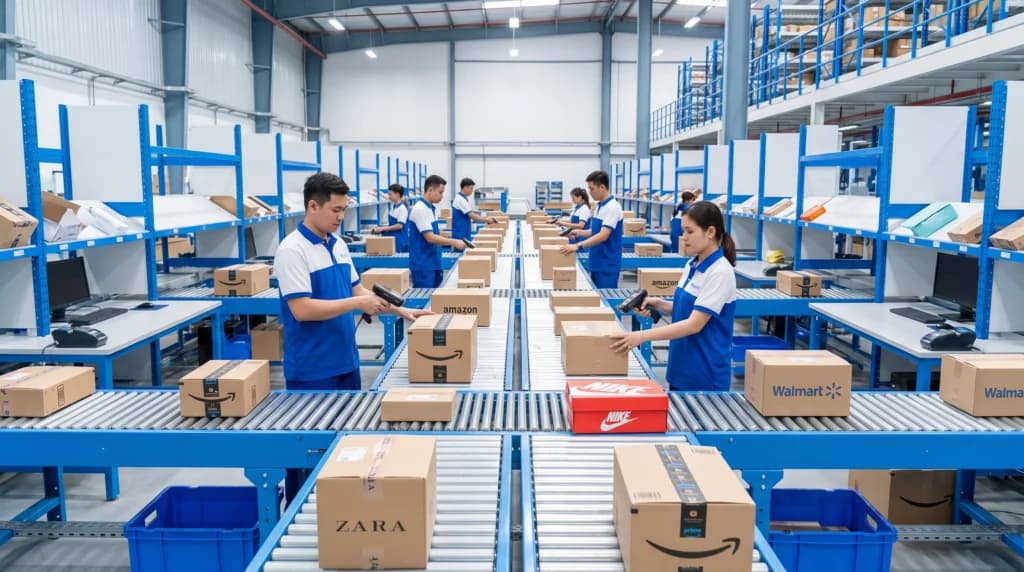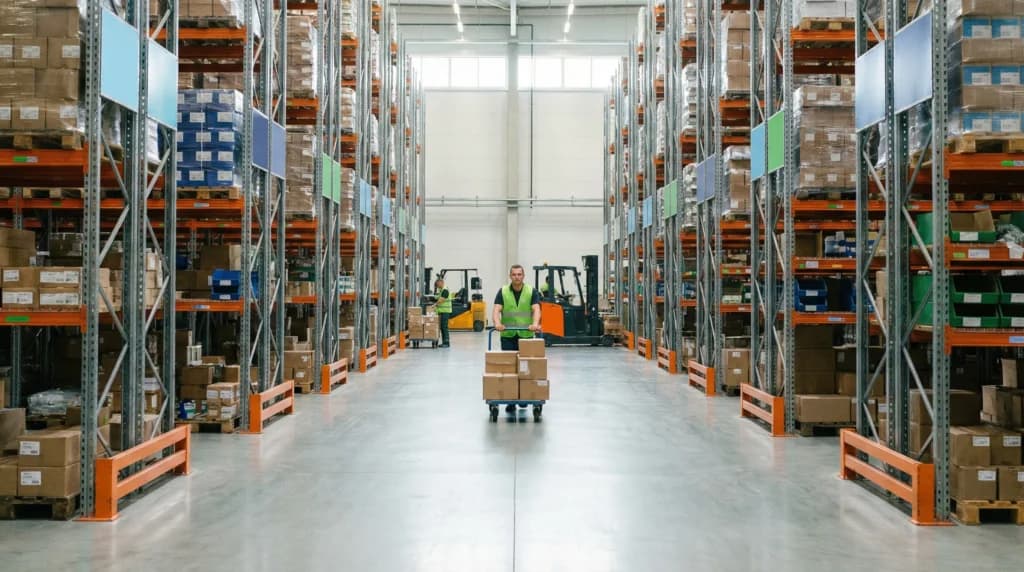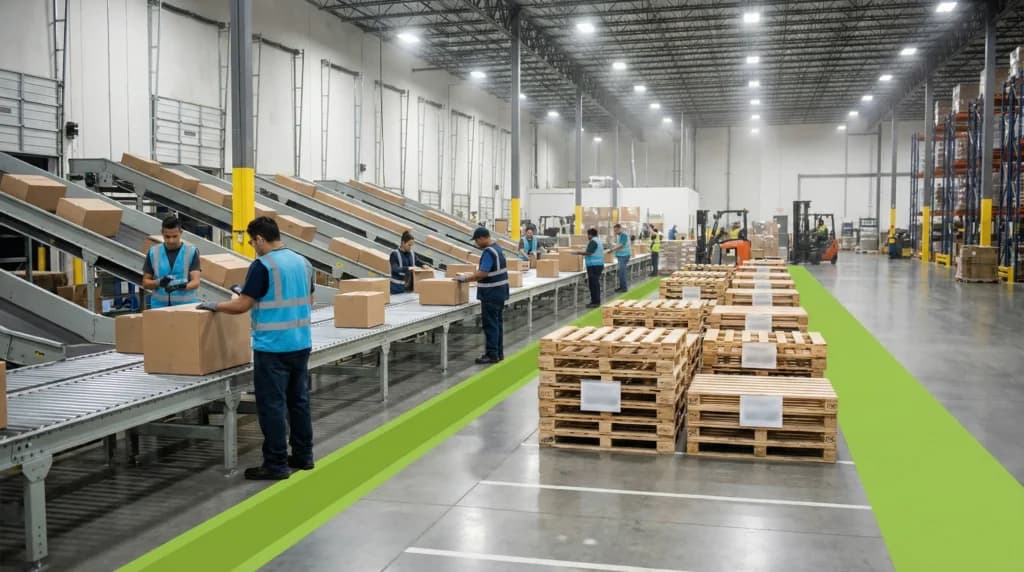
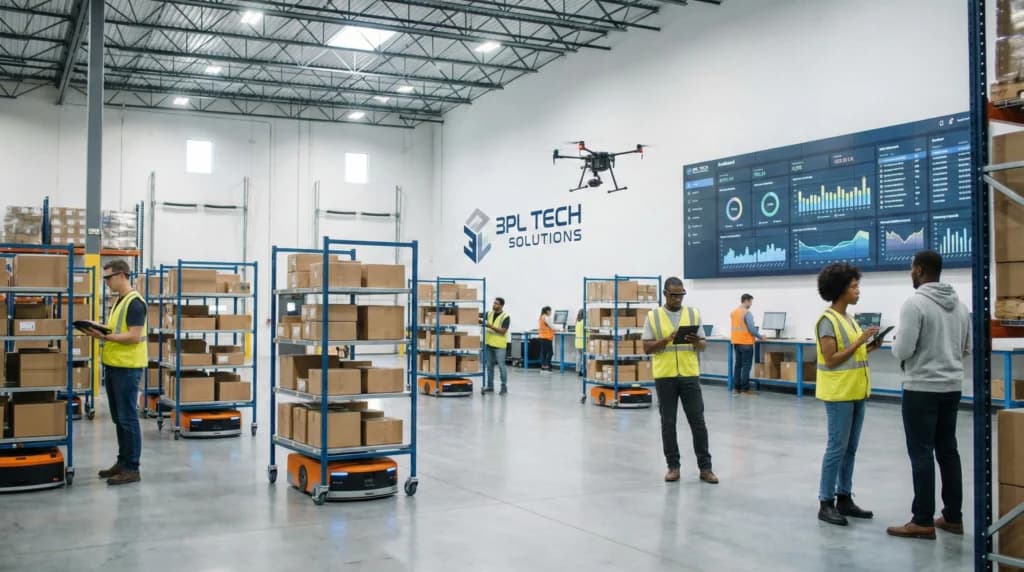
Technology is rapidly transforming the landscape of third-party logistics (3PL). As customer expectations rise and supply chains grow more complex, 3PL providers must embrace digital transformation to remain competitive. Emerging technologies like automation, artificial intelligence (AI), the Internet of Things (IoT), and cloud-based 3PL software are reshaping logistics operations.
This article explores the importance of technology in 3PL, the key innovations driving change, and actionable steps for seamless tech adoption. Whether you’re looking to upgrade existing systems or implement new solutions, these insights will help you navigate the digital transformation journey successfully.
1. The Importance of Technology for 3PLs
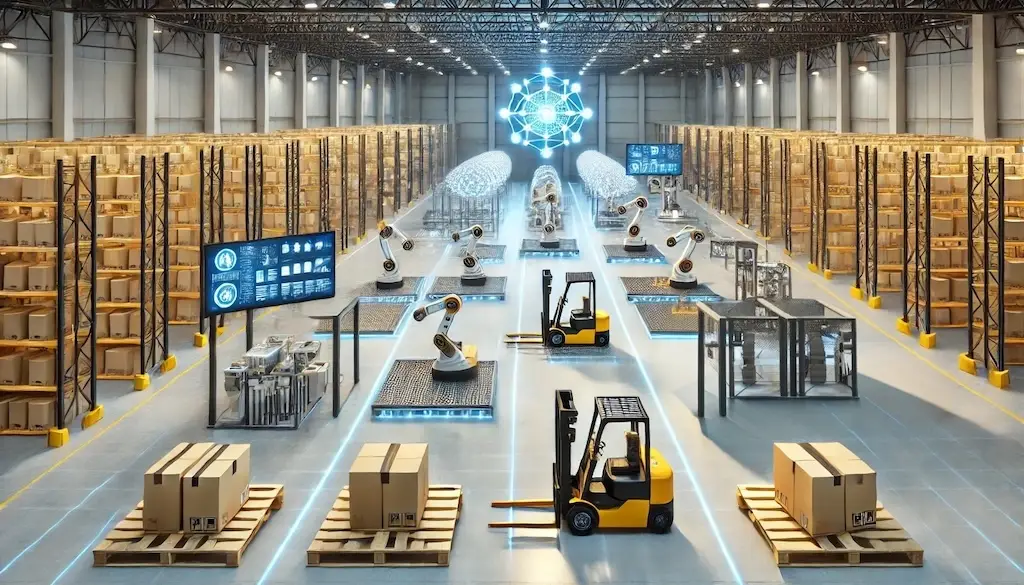
Today’s logistics landscape is evolving faster than ever. E-commerce growth, same-day delivery demands, and supply chain disruptions require 3PL providers to enhance efficiency and agility. Here’s how technology helps:
- Improved Efficiency: Automated processes reduce manual tasks, speeding up warehouse and transportation operations.
- Enhanced Accuracy: Advanced tracking systems and AI reduce errors in inventory management and order fulfillment.
- Scalability: Cloud-based and modular solutions allow 3PLs to expand services without massive infrastructure investments.
- Competitive Advantage: Early adopters of technology gain a market edge with faster, more reliable logistics services.
Adopting modern logistics technology is no longer optional—it’s a necessity for 3PLs that want to thrive in a highly competitive industry.
2. Key Technologies Transforming 3PL Operations
Warehouse Management Systems (WMS)
A robust WMS optimizes inventory tracking, order processing, and warehouse organization. Advanced WMS solutions incorporate:
- Real-time inventory visibility.
- Automated put-away and retrieval systems.
- AI-driven demand forecasting.
Transportation Management Systems (TMS)
A TMS helps 3PLs optimize logistics and freight movement by:
- Providing real-time shipment tracking.
- Optimizing route planning with AI-driven analytics.
- Enhancing freight cost management and carrier selection.
Automation & Robotics
Autonomous robots and automated material handling systems increase productivity in warehouses. Key applications include:
- Automated guided vehicles (AGVs) for material transport.
- Robotic picking and sorting systems.
- AI-powered conveyor belt operations.
Internet of Things (IoT) & AI
IoT sensors and AI-driven analytics provide real-time data insights, allowing for:
- Predictive maintenance of logistics assets.
- Smart inventory tracking with RFID and GPS.
- AI-powered demand forecasting and warehouse optimization.
Cloud-Based Solutions
Cloud-based 3PL software enhances flexibility, scalability, and collaboration. Benefits include:
- Seamless integration with supply chain partners.
- Remote access to real-time logistics data.
- Scalable solutions that grow with business needs.
3. Steps to Successfully Implement 3PL Technology
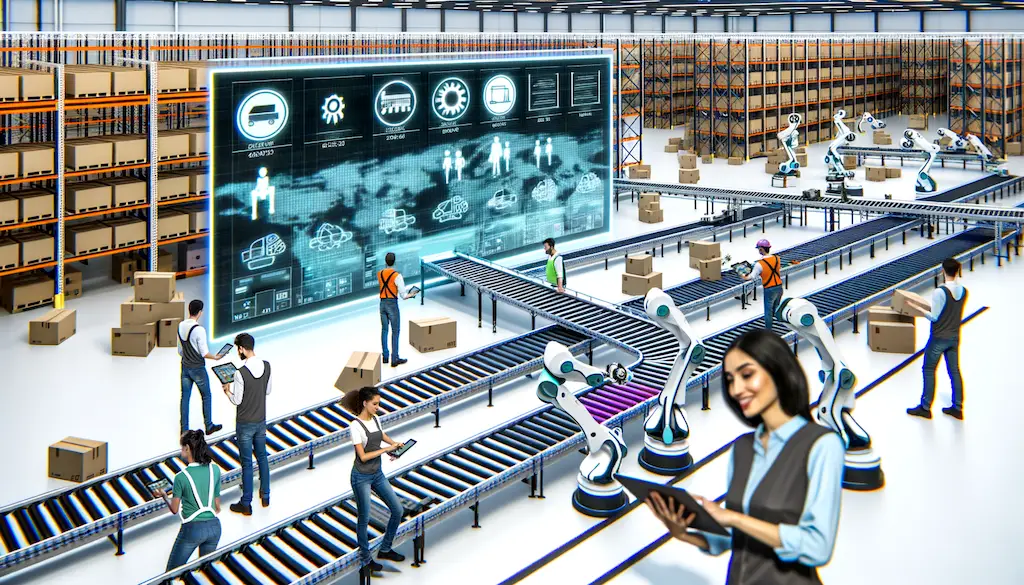
Assessing Current Systems
Evaluate your existing technology infrastructure to identify inefficiencies and gaps. Conduct an internal audit to understand operational bottlenecks.
Defining Clear Goals
Align technology adoption with business objectives. Identify key performance indicators (KPIs) such as order accuracy, delivery speed, and cost reduction.
Selecting the Right Software
Choose 3PL software that integrates well with your existing platforms and provides essential features like real-time tracking, automation, and analytics.
Employee Training & Change Management
Technology adoption is only successful when employees embrace it. Invest in staff training and establish change management strategies to ensure smooth transitions.
Integration with Existing Systems
Ensure new solutions integrate seamlessly with legacy systems, avoiding disruptions. APIs and cloud platforms facilitate smooth data flow across platforms.
Testing and Optimization
Before a full-scale rollout, pilot test new systems in controlled environments. Gather feedback and optimize configurations for efficiency.
4. Overcoming Common Challenges in 3PL Tech Adoption
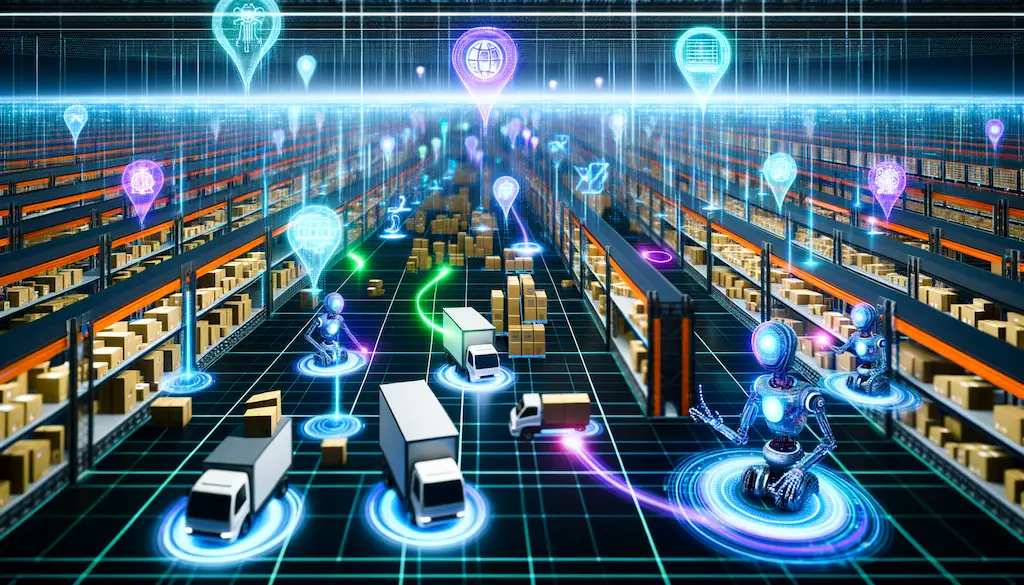
- Resistance to Change: Provide comprehensive training and involve employees in the adoption process.
- Budget Concerns: Demonstrate the long-term ROI of technology investments through data-driven case studies.
- Data Security and Compliance: Ensure cybersecurity protocols and regulatory adherence in cloud-based solutions.
- Integration Complexity: Work with technology providers to streamline system compatibility and prevent data silos.
5. Best Practices for Long-Term 3PL Digital Transformation
Continuous Monitoring and Performance Assessment
Track key performance indicators (KPIs) such as fulfillment accuracy, warehouse throughput, and cost savings to measure success.
Keeping Up with Emerging Trends
Stay ahead of industry trends by investing in AI, blockchain, and real-time data analytics to future-proof 3PL operations.
Collaborating with Tech Providers
Partner with software vendors and technology providers for ongoing support, ensuring your systems remain up-to-date with industry advancements.
Enhance Your 3PL Operations with SphereWMS
Implementing the right technology is critical for staying competitive in the fast-moving logistics industry. SphereWMS offers a powerful, cloud-based warehouse management system designed to help 3PL providers streamline operations, improve inventory visibility, and optimize order fulfillment.
Whether you’re upgrading your current systems or adopting new solutions, SphereWMS provides the flexibility, scalability, and real-time insights you need to enhance efficiency and drive growth.
Discover how SphereWMS can transform your 3PL operations—Schedule a demo today!
Building a Future-Ready 3PL Technology Stack
Developing a comprehensive technology stack is essential for 3PL providers to deliver world-class logistics services. A well-architected stack integrates multiple systems to create seamless operations across warehousing, transportation, and customer management functions.
Core Components of an Effective 3PL Tech Stack
Modern 3pl technology solutions require strategic integration of several key components:
- ERP Integration Layer: Connects warehouse and transportation systems with financial and business management platforms
- API Management: Enables real-time data exchange between WMS, TMS, and customer portals
- Business Intelligence Tools: Provide actionable insights through advanced reporting and analytics dashboards
- Customer Portal Systems: Offer clients visibility into inventory levels, shipment status, and performance metrics
- Mobile Applications: Support warehouse staff and drivers with real-time task management and data capture
AI-powered logistics software for 3PL providers serves as the intelligence layer, analyzing data patterns to optimize inventory placement, predict maintenance needs, and enhance route planning. This technology stack approach allows 3PLs to scale operations efficiently while maintaining service quality across diverse client requirements.
Measuring ROI and Performance Impact of 3PL Tech Investments
Quantifying the success of 3pl digital transformation initiatives requires tracking specific metrics that demonstrate operational improvements and financial returns. Successful 3PL providers establish baseline measurements before implementing new 3pl tech solutions.
Key Performance Indicators for Technology ROI
- Order Accuracy Rates: Measure reduction in picking errors and shipping mistakes
- Labor Productivity: Track orders processed per hour and inventory turns improvement
- Cost Per Shipment: Monitor transportation and warehousing cost reductions
- Client Satisfaction Scores: Assess improvements in delivery performance and service quality
- System Uptime: Measure reliability improvements and reduced downtime incidents
Leading 3PL providers typically see 15-25% improvement in operational efficiency within the first year of comprehensive technology implementation. These performance gains translate directly to competitive advantages, enabling 3PLs to offer more competitive pricing while maintaining healthy profit margins. Regular performance reviews ensure technology investments continue delivering value as business requirements evolve.
Conclusion
The successful adoption of technology is a game-changer for 3PL providers, enabling greater efficiency, accuracy, and scalability. By assessing current systems, defining clear goals, and embracing continuous improvement, 3PLs can stay competitive in an ever-evolving logistics landscape.
Frequently Asked Questions
What are the most important technologies for 3PL providers to adopt?
The most critical technologies for 3PL providers include Warehouse Management Systems (WMS) for inventory optimization, Transportation Management Systems (TMS) for freight coordination, and cloud-based platforms for scalability. Additionally, automation technologies like robotics and conveyor systems, along with AI-powered analytics for demand forecasting, provide significant competitive advantages in today’s fast-paced logistics environment.
How long does it typically take to implement new 3PL technology?
Implementation timelines vary based on complexity and scope. A basic WMS implementation may take 3-6 months, while comprehensive digital transformation initiatives can span 12-18 months. Success depends on thorough planning, stakeholder buy-in, adequate training, and choosing solutions that integrate well with existing systems. Phased rollouts often reduce risk and allow teams to adapt gradually.
What are the biggest challenges in 3PL technology adoption?
Common challenges include resistance to change from employees, integration difficulties with legacy systems, high upfront costs, and data migration complexities. Many 3PLs also struggle with selecting the right technology partners and ensuring adequate staff training. Addressing these challenges requires strong change management, clear communication of benefits, and executive sponsorship throughout the implementation process.
How can small 3PL providers afford advanced technology solutions?
Small 3PL providers can leverage cloud-based SaaS solutions that offer subscription pricing instead of large capital investments. Many vendors provide scalable packages that grow with your business. Starting with core functionality and adding modules over time reduces initial costs. Additionally, the ROI from improved efficiency often offsets technology investments within 12-24 months through reduced labor costs and fewer errors.
What metrics should 3PLs track to measure technology adoption success?
Key performance indicators include order accuracy rates, inventory accuracy, pick and pack times, on-time delivery percentages, and labor productivity metrics. Financial measures like cost per order, return on technology investment, and customer satisfaction scores also indicate success. Establishing baseline measurements before implementation enables accurate before-and-after comparisons to demonstrate technology value.