Pick and pack fulfillment services, pick and pack fulfillment guidelines, pick and pack fulfillment guide amazon has become essential for modern businesses. You’ve spent hours packing orders, double-checking labels, and racing against the clock to get shipments out the door. Then a customer complaint lands in your inbox: wrong item, delayed delivery, damaged package. Sound familiar? You’re not alone. Every e-commerce business owner and logistics manager knows the frustration of fulfillment gone wrong. This pick and pack fulfillment guide covers everything you need to know about pick and pack fulfillment services, from establishing reliable pick and pack fulfillment guidelines to creating a pick and pack fulfillment guide Amazon sellers can actually use to meet marketplace demands.
We’ve all been there – watching competitors seemingly breeze through peak season while our team struggles with order accuracy and shipping deadlines. The difference often comes down to having the right processes and systems in place. Let’s walk through exactly what it takes to build fulfillment operations that work, whether you’re shipping 50 orders a day or 5,000.
Introduction to Pick and Pack Fulfillment
Before we can fix what’s broken, we need to understand what we’re working with. Pick and pack fulfillment sits at the heart of every successful e-commerce operation, yet it’s often the most overlooked and underinvested area of the business.
What is Pick and Pack?
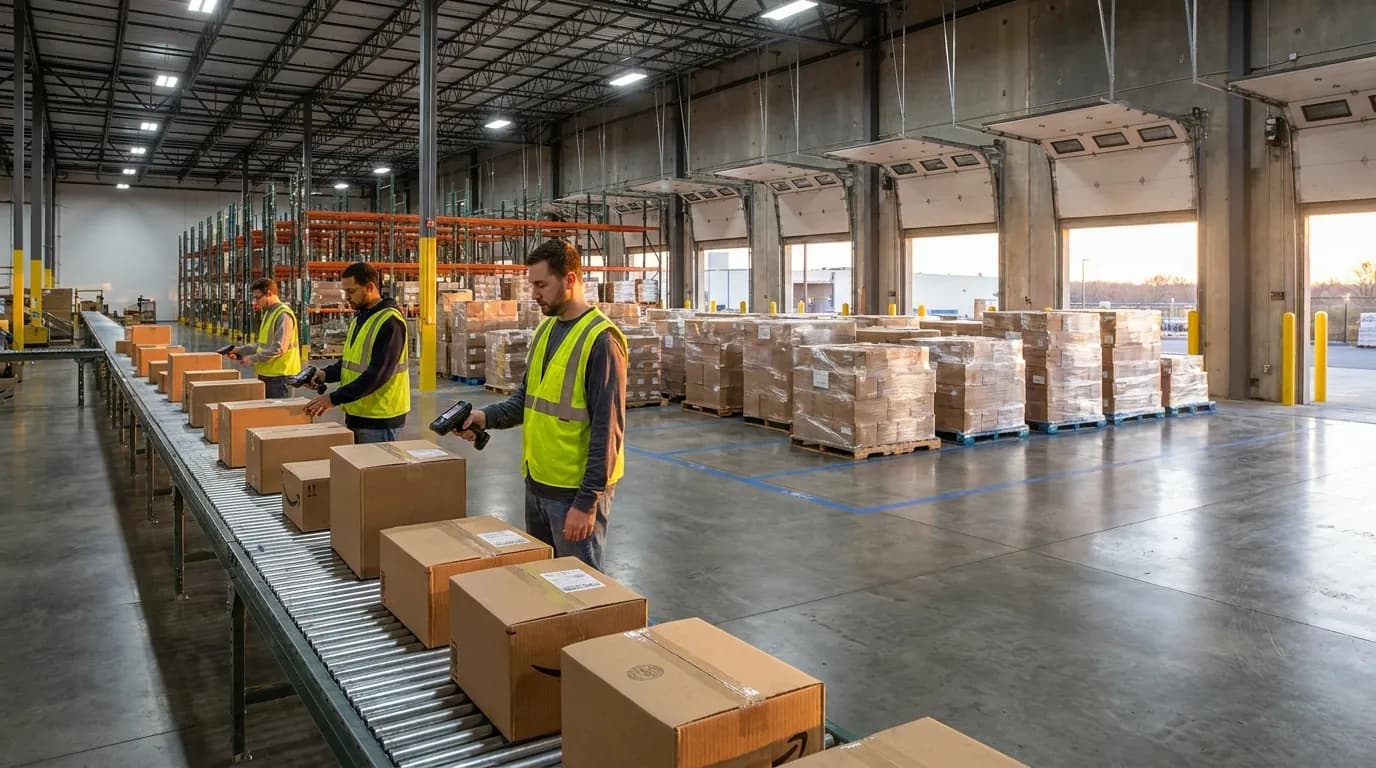
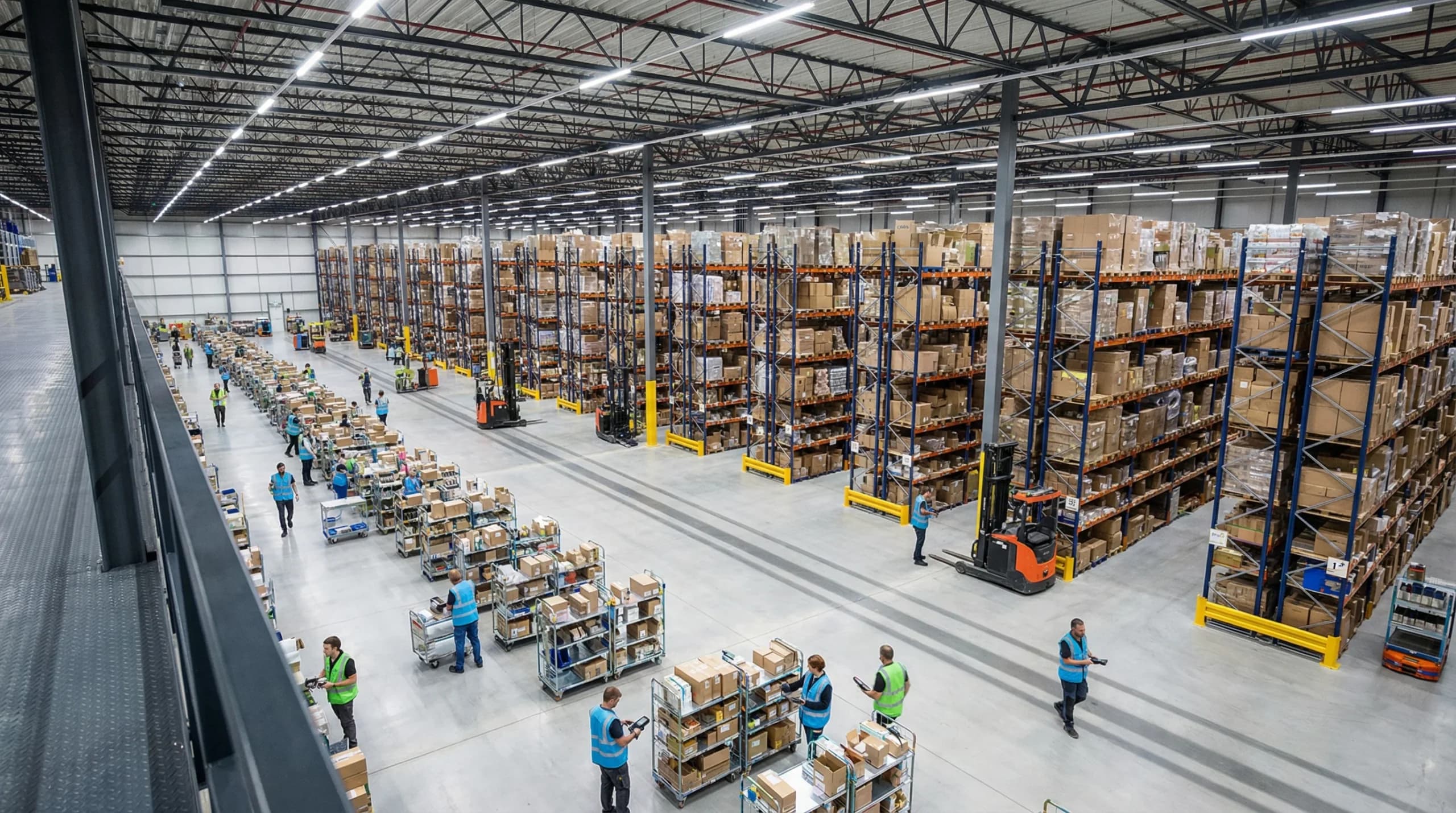
Pick and pack is exactly what it sounds like: warehouse staff pick products from inventory storage locations and pack them into shipping containers for customer delivery. Simple concept, complex execution.
The picking phase involves locating the correct products within your warehouse, verifying item details like SKU numbers and quantities, and retrieving them efficiently. The packing phase covers selecting appropriate packaging materials, protecting items for transit, including any documentation or marketing inserts, and preparing the package for carrier pickup.
What makes this process challenging is the sheer volume of decisions happening in real-time. Every order presents variables: different products, various destinations, multiple shipping speeds, and specific customer requirements. Multiply that by hundreds or thousands of daily orders, and you start to see why so many warehouses struggle.
Importance in E-commerce
Here’s a reality check we’ve all faced: customers don’t care about your internal challenges. They ordered a product, they want it fast, and they expect it to arrive exactly as described. Your fulfillment operation is the last touchpoint before that package lands on their doorstep.
Get it right, and you earn repeat business, positive reviews, and word-of-mouth referrals. Get it wrong, and you’re dealing with returns, refunds, negative feedback, and lost customers. For Amazon sellers especially, fulfillment mistakes can tank your seller metrics and put your account at risk.
The financial stakes are significant too. Returns processing typically costs three to four times more than outbound shipping. A customer who receives the wrong item might never order again – and they’ll probably tell others about their experience. On the flip side, fast and accurate fulfillment builds the kind of customer loyalty that drives sustainable growth.

Understanding Pick and Pack Fulfillment Services
Maybe you’ve reached the point where managing fulfillment in-house feels like running on a treadmill that keeps speeding up. We get it. Many businesses eventually face a choice: invest heavily in their own fulfillment infrastructure or partner with specialists who do this all day, every day.
Types of Pick and Pack Fulfillment Services
The pick and pack fulfillment services landscape has expanded dramatically over the past decade. Today’s options range from basic order fulfillment to comprehensive logistics partnerships.
Basic fulfillment services handle the core functions: receiving your inventory, storing it, picking orders, packing them, and handing off to carriers. This works well for straightforward product lines with predictable demand patterns.
Full-service 3PL providers go further, offering inventory management, returns processing, kitting and assembly, custom packaging, and real-time reporting. These partnerships can essentially replace your entire warehouse operation.
Specialized fulfillment networks focus on specific industries or channels. Some providers excel at subscription box fulfillment, others specialize in fragile items or temperature-controlled products, and many now offer dedicated Amazon FBA prep services.
Hybrid models let you maintain some in-house capabilities while outsourcing peak overflow or specific product categories. This flexibility can be valuable as you scale.
Benefits of Outsourcing
Let’s be honest about why businesses consider outsourcing. It’s not because fulfillment is glamorous – it’s because doing it well requires significant expertise, technology, and capital.
Professional pick and pack fulfillment services bring economies of scale you simply can’t achieve alone. They’ve negotiated carrier rates based on massive shipping volumes. They’ve invested in warehouse management technology that would cost you six figures to implement. Their staff has handled millions of orders across countless product types.
Consider what you gain when you outsource:
- Reduced capital requirements – no warehouse lease, equipment purchases, or staffing headaches
- Geographic flexibility – many providers offer multiple locations for faster delivery times
- Scalability – handle seasonal peaks without scrambling to hire and train temporary workers
- Focus – redirect your energy toward product development, marketing, and growth
The trade-off is control. When fulfillment happens in your own facility, you can walk the floor and make immediate changes. With an external partner, you’re dependent on their communication and responsiveness. That’s why choosing the right partner – and maintaining visibility through technology – matters so much.
Detailed Pick and Pack Fulfillment Guidelines
Whether you manage fulfillment in-house or work with a partner, understanding pick and pack fulfillment guidelines helps you maintain quality and identify improvement opportunities. These aren’t abstract best practices – they’re the specific processes that separate smooth operations from chaotic ones.
Step-by-Step Process
Every successful pick and pack operation follows a consistent workflow. Here’s what that looks like in practice:
Order Receipt and Verification: Orders flow into your system from sales channels and need immediate validation. Check for complete shipping addresses, verify inventory availability, flag any special instructions, and prioritize based on shipping commitments. This step catches problems before they cascade downstream.
Pick List Generation: Your warehouse management software converts orders into pick instructions optimized for your warehouse layout. Good systems batch similar orders together, create efficient walking paths, and balance workload across your team.
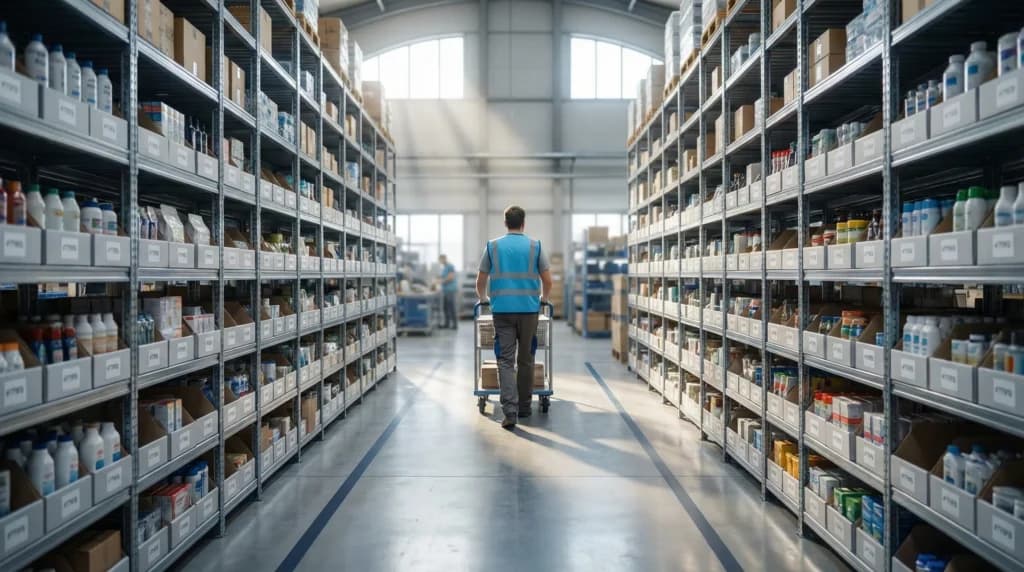
Product Retrieval: Pickers follow their assigned routes, locating and collecting items. This is where most efficiency gains or losses happen. Clear location labeling, logical product placement, and accurate inventory counts all impact picking speed and accuracy.
Verification and Quality Check: Before packing begins, verify that picked items match order requirements. Scan barcodes, confirm quantities, and inspect for damage. Catching errors here costs seconds; catching them after shipping costs dollars and customer relationships.
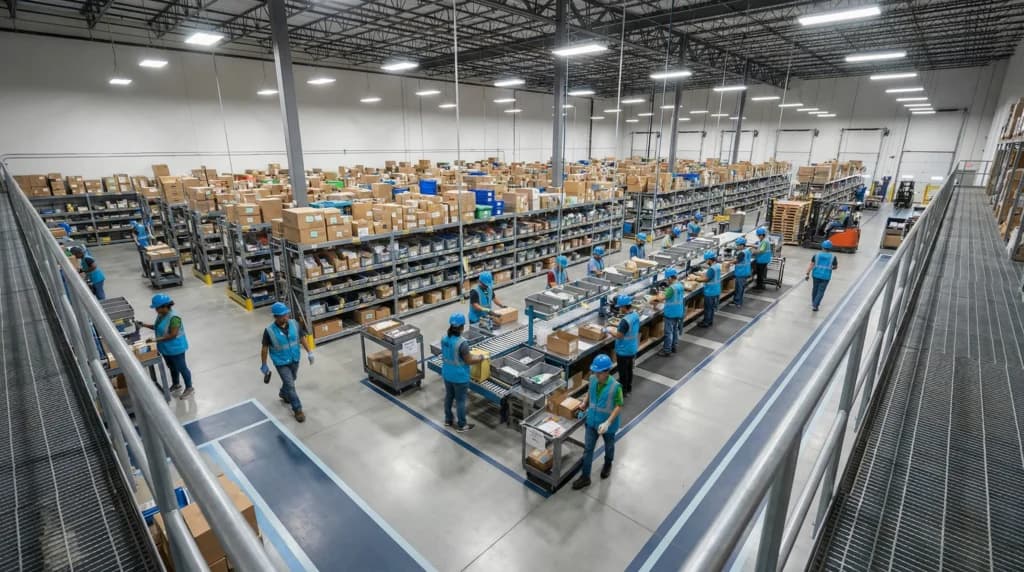
Packing: Select appropriate packaging based on item characteristics and destination. Protect fragile items, minimize dimensional weight charges, include required documentation, and apply shipping labels accurately.
Shipping Handoff: Organized staging areas, clear carrier schedules, and systematic tracking updates complete the cycle. Your job isn’t done until the carrier has accepted the package and your system reflects the shipment status.
Best Practices for Fulfillment Excellence
Following pick and pack fulfillment guidelines is one thing; optimizing them is another. Here’s what we’ve seen work across operations of all sizes:
Design your warehouse around your workflow. Fast-moving products belong closest to packing stations. Frequently combined items should be stored near each other. Dead stock taking up prime real estate is costing you time on every order.
Standardize everything you can. Use consistent bin sizes. Create templates for different package types. Document procedures so any trained team member can perform any task. Standardization enables speed without sacrificing accuracy.
Invest in barcode scanning at every handoff point. Receiving, putaway, picking, packing, and shipping – each scan creates a verification checkpoint and builds an audit trail. When something goes wrong, you can trace exactly where it happened.
Track the right metrics. Order accuracy rate, pick rate per hour, orders shipped per day, and cost per order are your key indicators. Measure them consistently and watch for trends rather than overreacting to daily fluctuations.
Train continuously. Even experienced staff benefit from refresher training and updates on new products or procedures. Cross-training creates flexibility when someone calls in sick or volume spikes unexpectedly.

Pick and Pack Fulfillment Guide for Amazon Sellers
Amazon sellers face a unique set of fulfillment challenges. The marketplace’s strict performance standards, specific packaging requirements, and competitive delivery expectations create pressure that other sales channels don’t. This pick and pack fulfillment guide Amazon sellers can reference addresses these specific demands.
Amazon Requirements and Compliance
Selling on Amazon means playing by Amazon’s rules. Whether you fulfill orders yourself (FBM) or send inventory to Amazon’s warehouses (FBA), compliance isn’t optional.
For FBM sellers, Amazon tracks your order defect rate, pre-fulfillment cancel rate, and late shipment rate. Exceed their thresholds, and your selling privileges are at risk. Same-day and next-day shipping options have raised customer expectations – even for orders you fulfill yourself.
FBA sellers face different challenges. Amazon’s receiving standards are notoriously particular. Products must be scannable, properly labeled, and prepped according to category-specific guidelines. Send inventory that doesn’t meet requirements, and you’ll face rejected shipments, prep fees, or disposal charges.
Key Amazon compliance areas include:
- Scannable barcodes (FNSKU labels for FBA, UPC/EAN for FBM)
- Proper packaging for product protection during handling
- Poly bagging requirements for certain product types
- Expiration date labeling for consumables
- Suffocation warnings on bags meeting size thresholds
- Accurate weight and dimension information
The supply chain industry has seen Amazon continuously tighten its requirements over time. What was acceptable last year might trigger penalties today. Staying current on policy changes is essential for Amazon sellers.
Integrating Systems for Amazon Success
Managing Amazon fulfillment alongside other sales channels creates complexity. Orders flow in from multiple sources, inventory must stay synchronized, and each channel has different requirements.
Effective system integration connects your sales channels to your fulfillment operation with minimal manual intervention. When an order comes in, your warehouse team should see it immediately with all necessary details. When inventory changes, every connected sales channel should update to prevent overselling.
For sellers using FBA, integration extends to managing inbound shipments, tracking inventory at Amazon’s warehouses, and monitoring storage fees. Many sellers combine FBA with their own fulfillment based on product profitability, velocity, and size – a strategy that requires sophisticated inventory visibility across multiple locations.
API connections enable real-time data flow between systems. Rather than batch updates that lag behind actual conditions, API integrations can sync inventory within minutes or seconds of any change. For Amazon sellers where Buy Box competition is fierce, that speed matters.
Multi-channel fulfillment programs also let you ship orders from non-Amazon channels using Amazon’s logistics network. Understanding how to incorporate these options into your broader strategy can provide competitive advantages in delivery speed and cost.
Future Trends and Innovations in Pick and Pack Fulfillment
The fulfillment landscape continues to shift, driven by technology advancement and changing consumer expectations. Staying aware of these trends helps you prepare for what’s coming rather than scrambling to catch up.
Technological Advancements
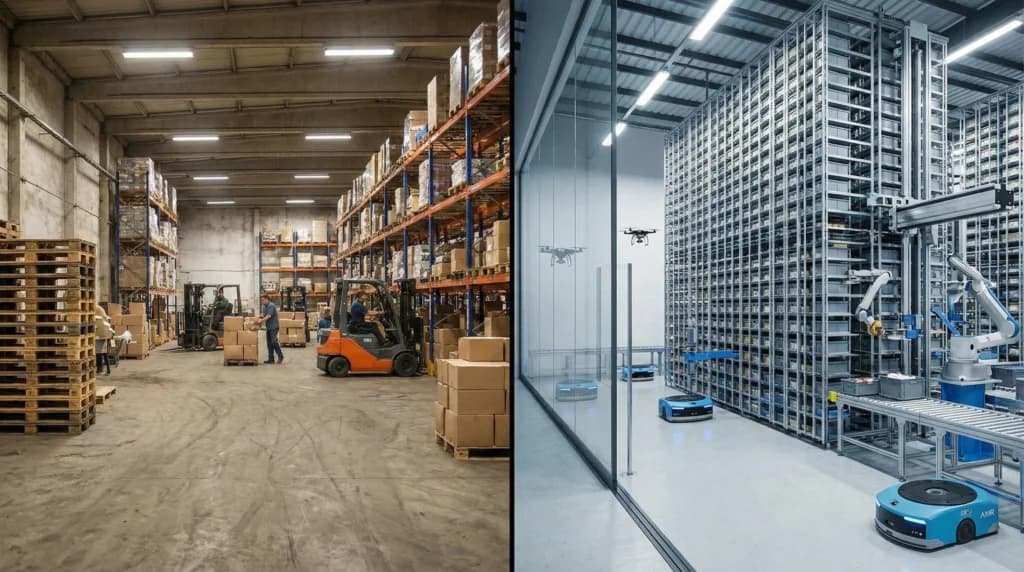
Automation is reshaping warehouse operations, though perhaps not as quickly or dramatically as headlines suggest. The reality is nuanced: some automation technologies are mature and widely adopted, while others remain experimental or cost-prohibitive for most operations.
Mobile robots that assist with picking have gained significant traction. These systems don’t replace human pickers but make them more efficient by reducing walking time and optimizing routes. Goods-to-person systems take this further by bringing products to stationary workers, eliminating travel time entirely.
Computer vision and machine learning are improving quality control. Automated systems can now verify picked items, detect damage, and confirm packaging completeness faster than manual inspection. These capabilities are becoming more accessible as the underlying technology matures.
Voice-directed picking continues to grow in popularity. By keeping workers’ hands and eyes free while providing audio instructions, this technology improves both speed and accuracy compared to paper-based methods.
The most transformative technologies combine physical automation with intelligent software. Warehouse management systems increasingly incorporate predictive analytics, demand forecasting, and dynamic slotting recommendations. Smart systems learn from patterns in your operation and suggest optimizations human planners might miss.
Logistics industry publications report growing adoption of these technologies across operations of varying sizes, not just enterprise warehouses. As costs decline and implementation becomes simpler, more businesses can access capabilities previously reserved for major retailers.
Sustainability Trends in Fulfillment
Environmental considerations have moved from nice-to-have to business imperative. Customers increasingly factor sustainability into purchasing decisions, and businesses are responding throughout their supply chains.
Packaging optimization leads many sustainability initiatives. Right-sizing packages reduces material waste and lowers shipping costs by eliminating unnecessary dimensional weight charges. Some businesses are transitioning to recyclable or compostable packaging materials, though cost and availability remain challenges.
Inventory placement strategies that reduce shipping distances serve both environmental and economic goals. Positioning products closer to customers means shorter transit times and lower carbon footprints. Regional fulfillment networks continue expanding as businesses balance delivery speed against distribution costs.
Energy efficiency in warehouse operations is another focus area. LED lighting, optimized HVAC systems, and electric material handling equipment all contribute to reduced environmental impact. Some operations are incorporating solar power and other renewable energy sources.
The circular economy is gaining attention too. Returns processing and refurbishment programs keep products in use longer rather than heading to landfills. Some pick and pack fulfillment services now specialize in reverse logistics that prioritize product recovery over disposal.
Building Your Pick and Pack Strategy for Success
Throughout this pick and pack fulfillment guide, we’ve covered the fundamentals of order fulfillment, explored different service models, detailed operational best practices, and looked at what’s coming next. The question now is: what do you do with all of this?
Start by honestly assessing your current operations. Where are the bottlenecks? What’s your actual order accuracy rate? How does your cost per order compare to industry benchmarks? You can’t improve what you don’t measure.
Next, identify your biggest constraints. Maybe you’re struggling with inventory accuracy. Maybe your shipping costs are eating into margins. Maybe you simply can’t scale fast enough to meet demand. Each constraint points toward different solutions.
Consider the build-versus-partner decision carefully. Managing fulfillment in-house gives you control and may offer better margins at scale, but requires significant investment in space, technology, and people. Outsourcing to pick and pack fulfillment services trades some control for expertise and flexibility. Many businesses find hybrid approaches work best – handling some products or channels internally while partnering for others.
For Amazon sellers, make sure your pick and pack fulfillment guidelines account for the platform’s specific requirements. The margin for error is small, and the consequences of non-compliance are real.
Finally, don’t try to change everything at once. Pick your highest-impact opportunity and focus there first. Build success, then move to the next priority. Sustainable improvement beats dramatic overhaul that collapses under its own complexity.
Take the Next Step
We’ve all experienced the frustration of fulfillment challenges – the late nights, the customer complaints, the sense that things could work better if we just had the right systems in place. You’re not alone in wanting more from your operations.
The good news is that better fulfillment is achievable. Whether you need to optimize in-house operations or find the right technology partner, solutions exist. The businesses that thrive are the ones that take action rather than accepting the status quo.
Ready to improve your pick and pack fulfillment operations? Explore how SphereWMS solutions can help bring visibility and control to your warehouse. Have specific questions about your situation? Contact our team for a consultation and we’ll help you evaluate your options. Looking for a quick resource to get started? Download our pick and pack fulfillment checklist and begin implementing improvements today.
Frequently Asked Questions
What are pick and pack fulfillment services?
Pick and pack fulfillment services involve selecting products from inventory and packing them for shipment. This process is crucial for efficient order fulfillment in e-commerce businesses. It ensures that the correct items are delivered promptly to customers. By optimizing this service, businesses can improve order accuracy and customer satisfaction.
How do pick and pack fulfillment guidelines help businesses?
Pick and pack fulfillment guidelines help standardize warehouse operations and improve efficiency. They provide clear instructions for picking and packing processes, reducing errors and delays. By following these guidelines, businesses can ensure consistent quality in order fulfillment. This consistency is vital for maintaining customer trust and minimizing returns or complaints.
Why is a pick and pack fulfillment guide Amazon sellers need?
A pick and pack fulfillment guide for Amazon sellers is essential for meeting marketplace demands. It outlines best practices for handling orders, ensuring compliance with Amazon’s requirements. This guide helps sellers maintain high performance metrics, crucial for seller ratings and visibility. By adhering to these guidelines, sellers can enhance their operational efficiency and customer satisfaction.
What challenges do pick and pack operations face?
Pick and pack operations face challenges like high order volumes and varying customer requirements. These factors complicate the process and can lead to errors. Efficient systems and trained staff are essential to manage these challenges. Implementing technology and streamlined processes can significantly improve accuracy and speed, reducing potential issues.
How can businesses improve their pick and pack fulfillment services?
Businesses can improve pick and pack fulfillment services by optimizing warehouse layout and using technology. Implementing barcode systems and automated picking tools can increase accuracy and efficiency. Regular staff training and clear fulfillment guidelines further enhance service quality. These improvements lead to faster processing times and higher customer satisfaction.