If you’ve ever struggled to keep pace with mounting order volumes, inconsistent shipping timelines, or billing disputes that drain your team’s energy, you’re not alone. Third-party logistics providers face these challenges daily, and the difference between thriving operations and constant firefighting often comes down to one critical factor: the right technology stack. Understanding 3PL logistics software, 3PL ecommerce shipping software, 3PL management software, 3PL cloud software, 3PL fulfillment software, 3PL billing systems, and 3PL WMS systems can transform how you operate, compete, and grow.
This guide breaks down what matters most when evaluating these platforms, how they solve real operational problems, and what to look for when choosing software that fits your specific needs. Whether you manage a single facility or coordinate operations across multiple locations, the principles here will help you make informed decisions that impact your bottom line.
Understanding 3PL Platforms and Why They Matter
Third-party logistics operations are fundamentally different from traditional warehousing. You’re not just managing your own inventory – you’re responsible for multiple clients, each with unique requirements, billing structures, and service level agreements. This complexity demands specialized tools designed for multi-tenant environments.
A 3PL platform serves as the central nervous system for your operation. It connects receiving docks to shipping lanes, inventory counts to client invoices, and real-time data to strategic decisions. Without this technological backbone, even the most experienced teams find themselves drowning in spreadsheets, manual processes, and preventable errors.
The problem compounds as you scale. What works for ten clients becomes unmanageable at fifty. Manual billing that took two hours weekly now consumes entire days. Inventory discrepancies that once represented minor inconveniences now threaten client relationships. This is precisely why purpose-built 3PL software exists – to handle complexity that generic solutions simply cannot address.
The Multi-Client Challenge
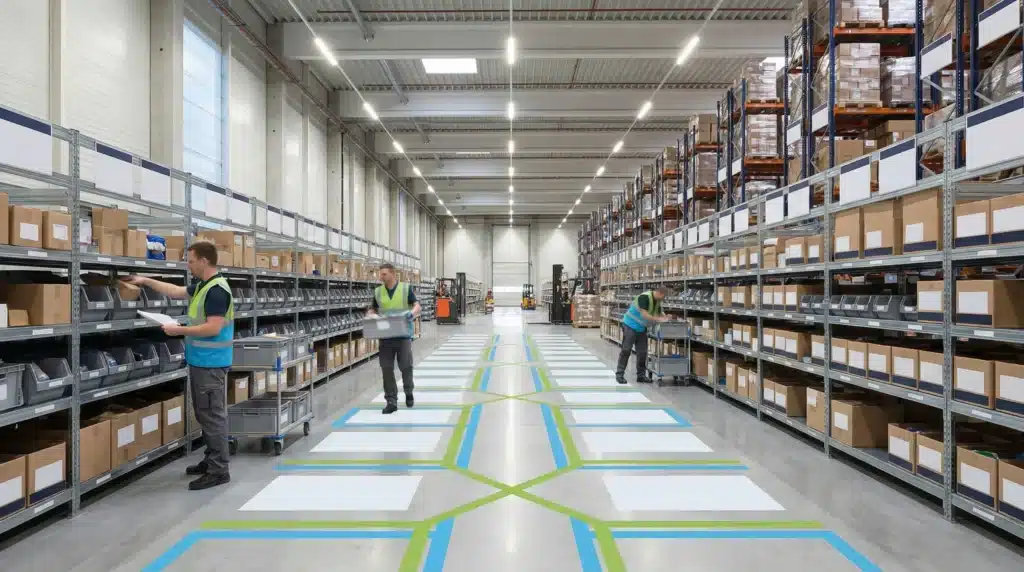
Consider a warehouse managing inventory for fifteen different ecommerce brands. Each client requires separate inventory tracking, custom picking procedures, branded packing slips, and individualized billing rates. Some charge by the pick, others by storage location, and several use hybrid models that combine multiple fee structures.
Without proper 3PL management software, keeping these accounts straight becomes nearly impossible. Staff members spend hours reconciling data across disconnected systems. Billing errors slip through, leading to difficult conversations with clients who question their invoices. The operational overhead eats into margins that were already tight.
The right platform eliminates these friction points by maintaining clear separation between client accounts while providing unified visibility for operations managers. You see everything at once, but the system keeps each client’s data properly segmented for accurate reporting and billing.
Essential Features of 3PL Logistics Software

Not all logistics software serves 3PL operations effectively. Features that matter for single-client warehouses may prove inadequate for multi-tenant environments. Understanding which capabilities drive real value helps you evaluate options more effectively.
Integration Capabilities That Actually Work
Your 3PL logistics software will only prove as valuable as its ability to connect with other systems. Clients use different shopping carts, marketplaces, and enterprise resource planning tools. Carriers have varying label requirements and tracking formats. Accounting software needs clean data for invoicing and financial reporting.
Effective integration with existing systems means more than just checking boxes on a features list. The connections need to work reliably, handle exceptions gracefully, and update in real time. When an order comes in from Shopify at 2 AM, it should appear in your system moments later, ready for picking when your team arrives.
Look for platforms that offer:
- Pre-built connections to major ecommerce platforms and marketplaces
- Flexible API integration capabilities for custom development needs
- EDI transaction support for enterprise clients requiring traditional data interchange
- Real-time synchronization rather than batch processing delays
- Error handling that alerts staff to issues before they become problems
The integration question becomes especially important for 3PL ecommerce shipping software. Ecommerce clients expect their inventory counts to update immediately after sales. They want tracking numbers pushed back to their platforms automatically. Any delay or disconnect creates customer service headaches that reflect poorly on your operation.
Interfaces That Reduce Training Time
Warehouse staff turnover remains a persistent industry challenge. Every time someone leaves, you invest in training their replacement. Complex, unintuitive software extends this training period and increases error rates during the learning curve.
The best 3PL platforms recognize this reality. They provide clean interfaces that new team members can understand quickly. Navigation follows logical patterns. Critical functions sit prominently rather than hiding behind multiple menu layers. Mobile-friendly designs let workers perform tasks from handheld devices without squinting at tiny text.
This usability extends beyond the warehouse floor. Client portals should offer self-service access to inventory levels, order status, and reporting without requiring constant support from your team. When clients can answer their own questions, your staff focuses on higher-value activities.
How 3PL Ecommerce Shipping Software Solves Fulfillment Problems
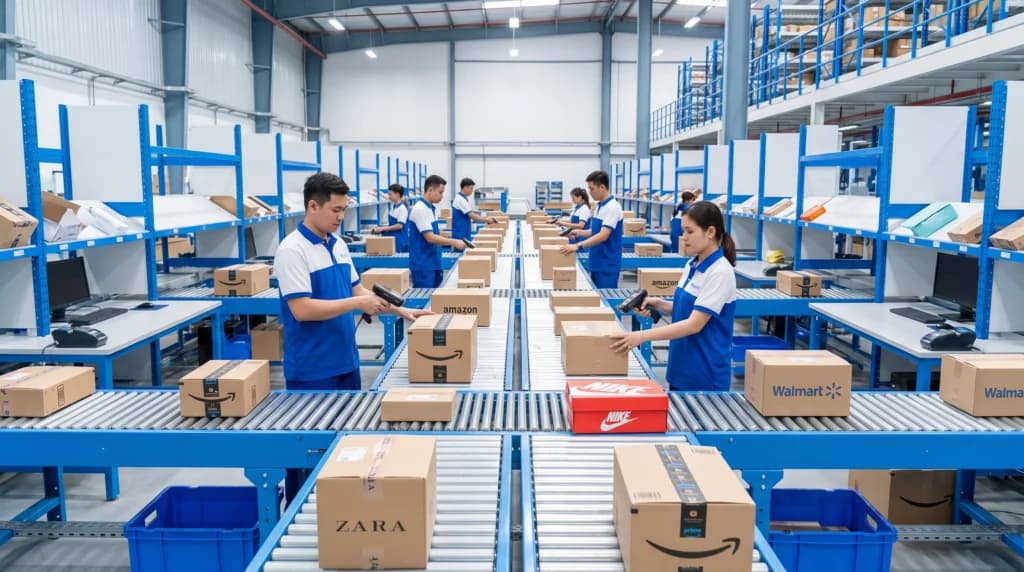
Ecommerce fulfillment operates under unique pressures that traditional B2B distribution rarely faces. Customers expect fast shipping, accurate orders, and immediate tracking updates. One negative review can damage a brand’s reputation for months. These stakes make reliable 3PL ecommerce shipping software essential for providers serving online retailers.
Speed Without Sacrificing Accuracy
The tension between speed and accuracy defines fulfillment operations. Push too hard for faster pick rates, and error percentages climb. Focus exclusively on accuracy, and orders miss carrier cutoffs. Effective software helps balance these competing demands.
Wave planning tools group orders intelligently, reducing travel time for pickers while maintaining order integrity. Zone picking configurations assign workers to specific areas, eliminating congestion and confusion. Scan verification catches wrong items before they reach packing stations rather than after customers receive incorrect shipments.
These capabilities transform operations in measurable ways. Teams that previously struggled to maintain 98% accuracy while hitting daily targets suddenly achieve 99.5% or better while shipping more orders. The shipping software integration handles carrier selection, label generation, and tracking updates automatically, removing bottlenecks that once slowed lines during peak periods.
Reducing Costs Through Optimization
Shipping costs represent one of the largest expenses for ecommerce operations. Choosing the wrong carrier service level for a shipment wastes money unnecessarily. Failing to consolidate multi-item orders into single packages drives costs even higher. Inefficient warehouse layouts add labor hours that eat into margins.
3PL fulfillment software addresses these cost drivers systematically. Rate shopping compares carrier options in real time, selecting the most economical service that still meets delivery requirements. Cartonization algorithms determine optimal packaging, reducing dimensional weight charges and void fill usage. Slotting recommendations position fast-moving items near packing stations, cutting travel time for high-frequency picks.
According to research from Logistics Management, fulfillment operations that optimize these factors often see double-digit percentage improvements in cost per order. The savings compound over thousands of daily shipments, turning incremental efficiency gains into substantial annual reductions.
Gaining Control with 3PL Management Software

Running a 3PL operation means juggling countless variables simultaneously. Labor scheduling must match expected workloads. Equipment maintenance can’t disrupt peak shipping hours. Client demands shift without warning. Success requires visibility into what’s happening right now and tools to respond quickly.
Real-Time Data That Drives Action
Historical reports show what happened last week or last month. Real-time dashboards show what’s happening this minute. Both matter, but operational decisions demand current information. 3PL management software provides this visibility through live metrics that update continuously.
Picture starting your day with instant answers to critical questions: How many orders came in overnight? Are we on track to meet today’s shipping commitments? Which clients have inventory receiving expected? Where are we experiencing bottlenecks right now? This information empowers supervisors to reallocate resources before small delays become major problems.
The data also reveals patterns that might otherwise go unnoticed. Perhaps Tuesday afternoons consistently show slower picking rates, suggesting an opportunity for process improvement or staffing adjustment. Maybe certain product categories generate disproportionate error rates, indicating a need for additional training or slotting changes.
Making Better Decisions Faster
Information without analysis creates noise rather than insight. Modern 3PL platforms go beyond raw data presentation to offer actionable intelligence. They highlight anomalies that warrant attention, suggest optimal responses to common situations, and provide the context needed for sound judgment.
This analytical capability proves especially valuable during crisis moments. When a key client suddenly doubles their order volume for a flash sale, the system can model different scenarios: What happens if we pull workers from other areas? Can we extend shifts without incurring overtime penalties? Which pending tasks can safely wait until tomorrow? Having answers immediately rather than after hours of manual calculation makes the difference between smooth scaling and chaotic scrambling.
Why 3PL Cloud Software Supports Growth
Infrastructure decisions shape what’s possible for your operation. On-premise systems require hardware purchases, IT staff for maintenance, and significant lead time for upgrades. 3PL cloud software eliminates these constraints, providing flexibility that traditional deployments cannot match.
Scaling Without Infrastructure Headaches
Growth creates technology challenges. More orders mean more data processing. Additional users require expanded capacity. New warehouse locations need system access. With on-premise solutions, each expansion triggers hardware acquisition, installation, and configuration cycles that can take months.
Cloud-based 3PL platforms scale instantly. Adding users requires nothing more than creating new accounts. Processing capacity adjusts automatically based on demand. Opening a new facility means connecting devices to the existing system rather than deploying separate infrastructure. This agility lets you pursue opportunities without technology constraints holding you back.
The seasonal nature of many 3PL operations makes this flexibility particularly valuable. Peak seasons may see order volumes triple or quadruple before returning to baseline. Cloud systems handle these swings without requiring permanent infrastructure sized for maximum demand. You pay for what you use when you use it.
Security and Reliability You Can Trust
Concerns about cloud security persist despite years of industry adoption. These worries often stem from misunderstanding modern cloud infrastructure. Leading providers invest far more in security than individual companies could justify for internal systems.
Look for platforms that demonstrate their security commitment through independent verification. SOC 2 certification indicates that the provider has undergone rigorous auditing of their security controls, availability guarantees, and data handling practices. This third-party validation offers assurance that goes beyond marketing claims.
Reliability matters equally. Downtime costs money directly through lost productivity and indirectly through missed shipments and client dissatisfaction. Cloud providers typically guarantee uptime percentages that exceed what most organizations achieve with internal systems. Redundant infrastructure ensures that hardware failures don’t interrupt operations.
Optimizing Operations with 3PL Fulfillment Software
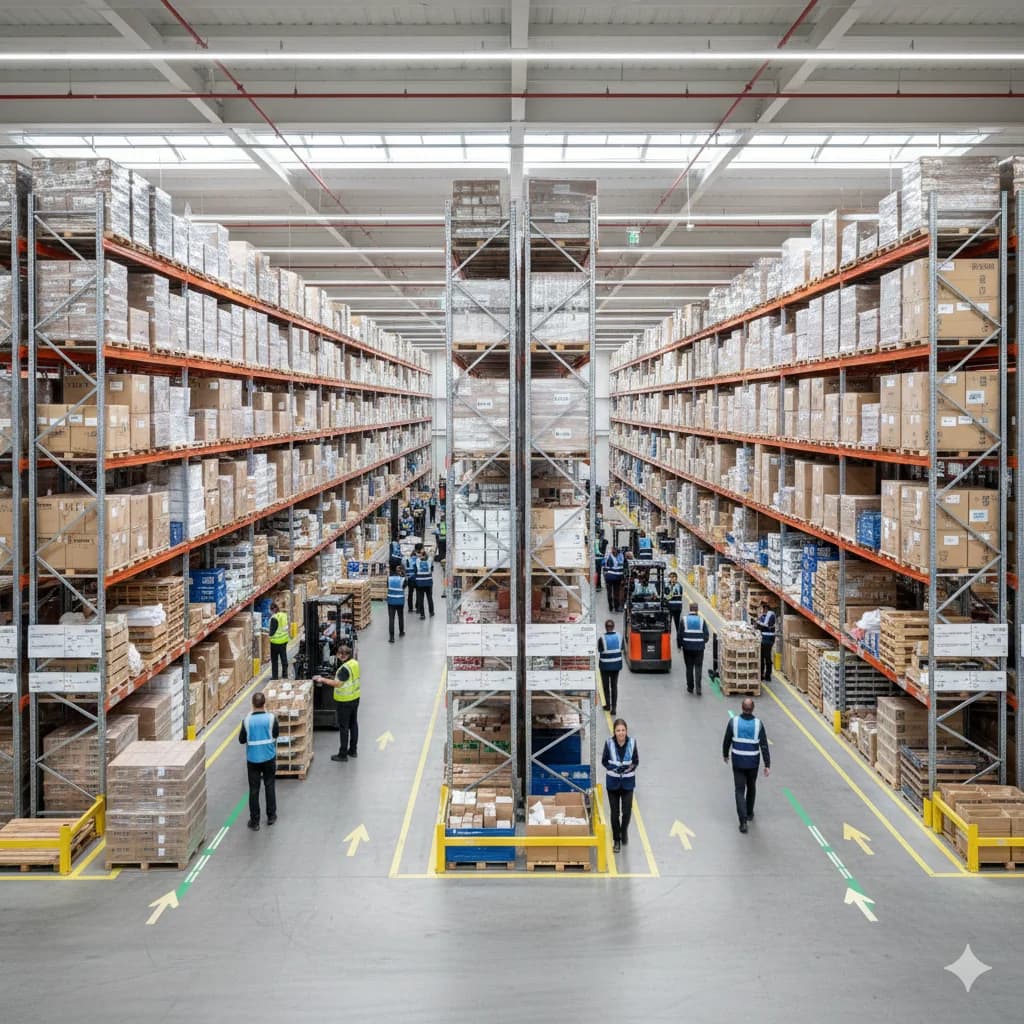
Fulfillment represents where promises become reality. All the orders, inventory, and planning in the world mean nothing if products don’t reach customers correctly and on time. 3PL fulfillment software orchestrates the complex dance of picking, packing, and shipping that makes this happen.
Achieving Speed and Accuracy Together
The fulfillment floor presents constant decisions. Which orders should we prioritize? How do we route pickers efficiently? What verification steps prevent errors without creating bottlenecks? Answering these questions well separates high-performing operations from struggling ones.
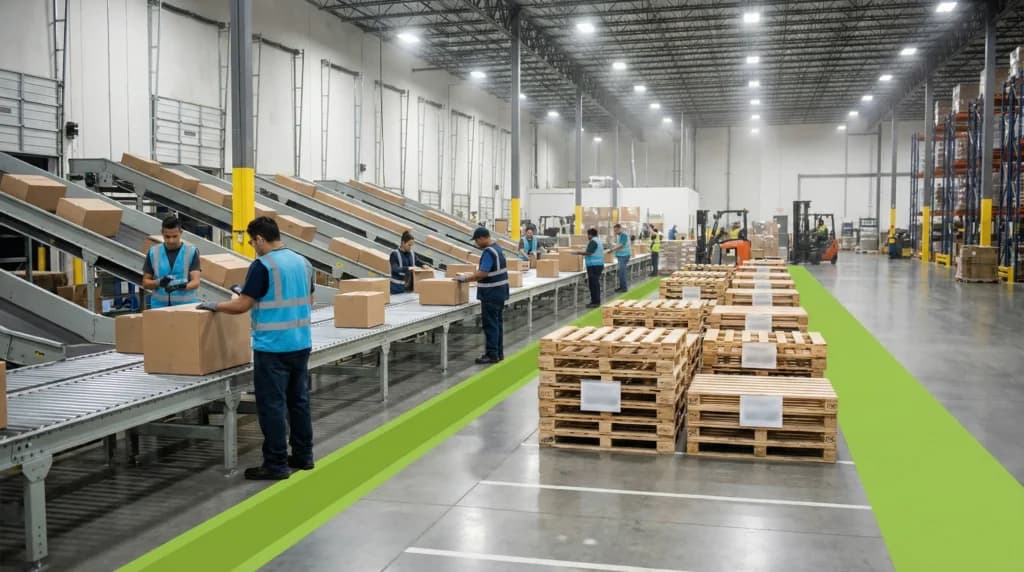
Effective fulfillment software provides the framework for these decisions. It analyzes incoming orders and groups them into logical batches. It generates pick paths that minimize travel time while respecting operational constraints. It enforces verification protocols at critical points without burdening every step with unnecessary checks.
The results speak through metrics: orders per labor hour, error rates per thousand picks, time from order receipt to carrier handoff. Operations using purpose-built 3PL fulfillment software consistently outperform those relying on generic tools or manual processes. The gap widens as complexity increases – more SKUs, more clients, more shipping requirements all favor systematic approaches over improvisation.
Creating Satisfied Customers
Customer satisfaction in 3PL operations operates on two levels. Your direct clients – the brands and retailers you serve – evaluate your performance constantly. Their customers – the end consumers receiving packages – form impressions that reflect on both your client’s brand and your operational competence.
Every accurate, timely delivery strengthens these relationships. Every error strains them. 3PL fulfillment software tips the balance toward positive experiences by catching problems before they compound. Wrong item in a bin? The scanner alerts the picker immediately. Address validation failed? The system flags the order before it ships. Carrier delay anticipated? Proactive notification lets clients manage customer expectations.
Research from Supply Chain Dive consistently shows that delivery experience ranks among the top factors in customer satisfaction and repeat purchase likelihood. Your fulfillment execution directly impacts your clients’ success, which ultimately determines whether they remain your clients.
Mastering 3PL Billing for Financial Health
Billing complexity distinguishes 3PL operations from simpler business models. You might charge one client per pick while another pays per pallet stored. Some agreements include minimum fees, others have volume tiers. Accessorial charges for special handling add further layers. Getting this wrong threatens both profitability and client relationships.
Achieving Transparency in Complex Billing
Clients deserve to understand what they’re paying for. When invoices arrive as opaque totals without supporting detail, questions follow. Those questions consume staff time and create friction that erodes trust. Even when charges are completely accurate, poor documentation creates perception problems.
Strong 3PL billing systems generate invoices with comprehensive backup. Every pick, storage day, receiving transaction, and accessorial charge traces to specific activities. Clients can review their costs at whatever level of detail they prefer – summary for quick approval, line-item for thorough auditing.
This transparency actually reduces disputes rather than enabling them. When clients see exactly how charges accumulate, they rarely challenge legitimate fees. They understand why their costs increased when activity grew. They recognize the relationship between service level and pricing. The clarity builds partnership rather than adversarial accounting.
Streamlining Billing Operations
Manual billing processes create risk and absorb resources. Staff members gather data from multiple sources, transfer it to billing templates, perform calculations, and generate invoices. Each step introduces error potential. The time required delays cash collection and distracts skilled employees from more valuable work.
Automated 3PL billing transforms this burden. Activity capture happens automatically as warehouse management functions execute. Rate tables apply appropriate charges based on client agreements. Invoice generation requires minimal human intervention – perhaps just a review and approval step before release.
The efficiency gains compound monthly. What once consumed days of administrative effort now takes hours. What once produced billing errors requiring correction now delivers clean invoices that clients pay without question. What once delayed revenue recognition now supports healthy cash flow.
The Critical Role of 3PL WMS Systems
Warehouse management systems form the operational core of 3PL technology stacks. While other components handle specific functions like shipping or billing, the WMS orchestrates everything happening within your four walls. 3PL WMS systems extend standard warehouse management with multi-client capabilities essential for third-party providers.
Maintaining Inventory Accuracy
Inventory discrepancies create cascading problems. Orders ship incomplete or incorrect. Clients lose confidence in your counts. Cycle counts reveal variances that require investigation. Stockouts occur despite system records showing available product. Each issue damages efficiency and relationships.
3PL WMS systems combat these problems through disciplined transaction recording and verification. Every movement – receiving, putaway, transfer, pick, ship – updates inventory in real time with user accountability. Scan verification ensures that what workers handle matches what the system expects. Discrepancy workflows capture and resolve issues before they propagate.
The multi-client dimension adds importance to accuracy. Commingled storage requires precise lot tracking to ensure each client receives their own product. Segregated storage needs clear location management to prevent cross-contamination. Either approach demands systematic control that only proper WMS implementation delivers.
Ensuring Order Accuracy
Order accuracy encompasses more than just product correctness. The right items must go in the right packaging with the right documentation to the right address via the right carrier. Failure at any step creates customer disappointment that clients hold you responsible for.
3PL WMS systems build verification into natural workflow points. Pickers confirm items as they select them. Packers validate contents against order requirements. Shippers match packages to labels before carrier handoff. Each checkpoint catches errors earlier, when correction costs less and customer impact remains zero.
The data these systems generate also enables continuous improvement. Error analysis reveals patterns – perhaps a particular product frequently gets mispicked due to similar appearance to another SKU. Slotting changes or additional verification steps address root causes rather than just symptoms. Over time, accuracy improvements compound into significant quality advantages.
Evaluating and Choosing the Right Platform
Understanding features and benefits only takes you so far. Actually selecting software requires matching capabilities to your specific situation. What works brilliantly for one operation may prove wrong for another. Several factors should guide your evaluation.
Assessing Your Current Challenges
Start with honest assessment of where you struggle today. Which tasks consume disproportionate time? Where do errors most frequently occur? What complaints do you hear from clients? Which limitations prevent you from pursuing growth opportunities?
This inventory of pain points creates evaluation criteria that matter for your situation. If billing consumes days monthly, prioritize platforms with strong invoicing automation. If integration headaches plague new client onboarding, focus on connection capabilities. If inventory accuracy troubles keep you awake, emphasize WMS functionality.
Planning for Future Growth
Software selection impacts operations for years. The platform you choose should accommodate not just current needs but anticipated evolution. Consider where you want your business in three to five years and evaluate whether candidate systems support that vision.
Will you add warehouse locations? The system needs multi-facility management without per-site licensing that makes expansion prohibitive. Do you expect to serve larger clients with more complex requirements? The platform should handle sophisticated billing arrangements and custom workflows. Are you targeting specific verticals like perishables or hazmat? Industry-specific functionality may prove essential.
Validating Through Reference Checking
Every software vendor presents their solution favorably. Checking references from actual users reveals reality. Ask vendors for contacts at operations similar to yours – comparable size, similar client types, analogous complexity levels.
When speaking with references, dig beyond surface satisfaction. What challenges arose during implementation? How responsive is support when problems occur? Which promised capabilities fell short of expectations? What would they do differently knowing what they know now? These conversations often provide more valuable insight than any demo or datasheet.
Making the Transition Successfully
Choosing software represents just the beginning. Implementation determines whether your investment delivers expected returns. Several practices distinguish successful transitions from troubled ones.
Investing in Proper Implementation
Rushing implementation to save time or money almost always backfires. Inadequate configuration creates workarounds that persist indefinitely. Insufficient training leaves staff frustrated and error-prone. Incomplete data migration causes problems that surface months later at inconvenient moments.
Allow realistic timelines for each phase. Configuration should reflect your actual processes, not generic templates. Training should cover not just button-clicking but decision-making in unusual situations. Testing should stress the system with realistic volumes and edge cases before go-live.
Managing Change with Your Team
Technology changes affect people. Staff members who mastered old systems become beginners again. Workflows they’ve performed thousands of times suddenly work differently. This disruption creates stress that manifests as resistance, complaints, or increased errors.
Acknowledge these challenges openly. Involve key staff members early in the process so they feel ownership rather than imposition. Celebrate quick wins that demonstrate improvement. Provide patience and support as people climb learning curves. The transition period is temporary; the benefits are permanent.
Moving Forward with Confidence
The 3PL industry continues evolving rapidly. Client expectations rise. Competition intensifies. Margins pressure every efficiency opportunity. Technology increasingly determines which providers thrive and which struggle to survive.
Investing in proper 3PL logistics software, 3PL management software, and supporting systems positions your operation for success in this environment. The capabilities described throughout this guide – integration, real-time visibility, fulfillment optimization, billing automation, inventory control – translate directly to competitive advantages that clients value and pay for.
The question isn’t whether to pursue these capabilities but how quickly you can acquire them. Every month operating with inadequate tools costs you in efficiency, accuracy, and client satisfaction. Every competitor implementing better systems gains ground you’ll need to recover.
Ready to explore how modern 3PL software could transform your operation? Schedule a consultation with our team to discuss your specific challenges and see how purpose-built solutions address them. You can also learn more about what makes effective WMS software and the capabilities that drive results for third-party logistics providers. The path to better operations starts with understanding your options – take that first step today.
Frequently Asked Questions
How does 3PL logistics software improve efficiency?
3PL logistics software streamlines operations by automating complex tasks in multi-client environments. It integrates processes like inventory management, billing, and shipping, reducing manual errors and saving time. The software provides real-time data for strategic decision-making, enhancing operational efficiency. For example, it can automate billing for multiple clients, freeing up staff to focus on other critical tasks.
What features should 3PL ecommerce shipping software have?
3PL ecommerce shipping software should include features like real-time tracking, automated order processing, and integration with multiple carriers. These features ensure timely and accurate shipments, crucial for maintaining client satisfaction in ecommerce. Additionally, the software should support custom packing slips and branded packaging to meet diverse client needs. For instance, it can automatically select the best carrier based on cost and delivery time.
Why is 3PL management software essential for multi-client operations?
3PL management software is vital for multi-client operations because it organizes and separates client data effectively. It handles unique billing structures and inventory requirements for each client, reducing errors and improving accuracy. This software provides a centralized platform for managing diverse client needs, enhancing operational efficiency. For example, it can automate billing processes for different fee models, saving time and reducing disputes.
How does 3PL cloud software enhance scalability?
3PL cloud software enhances scalability by providing flexible and accessible solutions that grow with your business. It allows for seamless integration of new clients and services without significant infrastructure changes. The cloud-based nature ensures data is accessible from anywhere, facilitating remote management and collaboration. For instance, it can easily accommodate increasing order volumes without overwhelming existing systems.
What role do 3PL WMS systems play in logistics?
3PL WMS systems play a critical role in logistics by optimizing warehouse operations and inventory management. They provide real-time visibility into stock levels, streamline order processing, and improve accuracy. These systems ensure efficient use of warehouse space and resources, reducing operational costs. For example, they can automate picking processes, minimizing errors and speeding up order fulfillment.