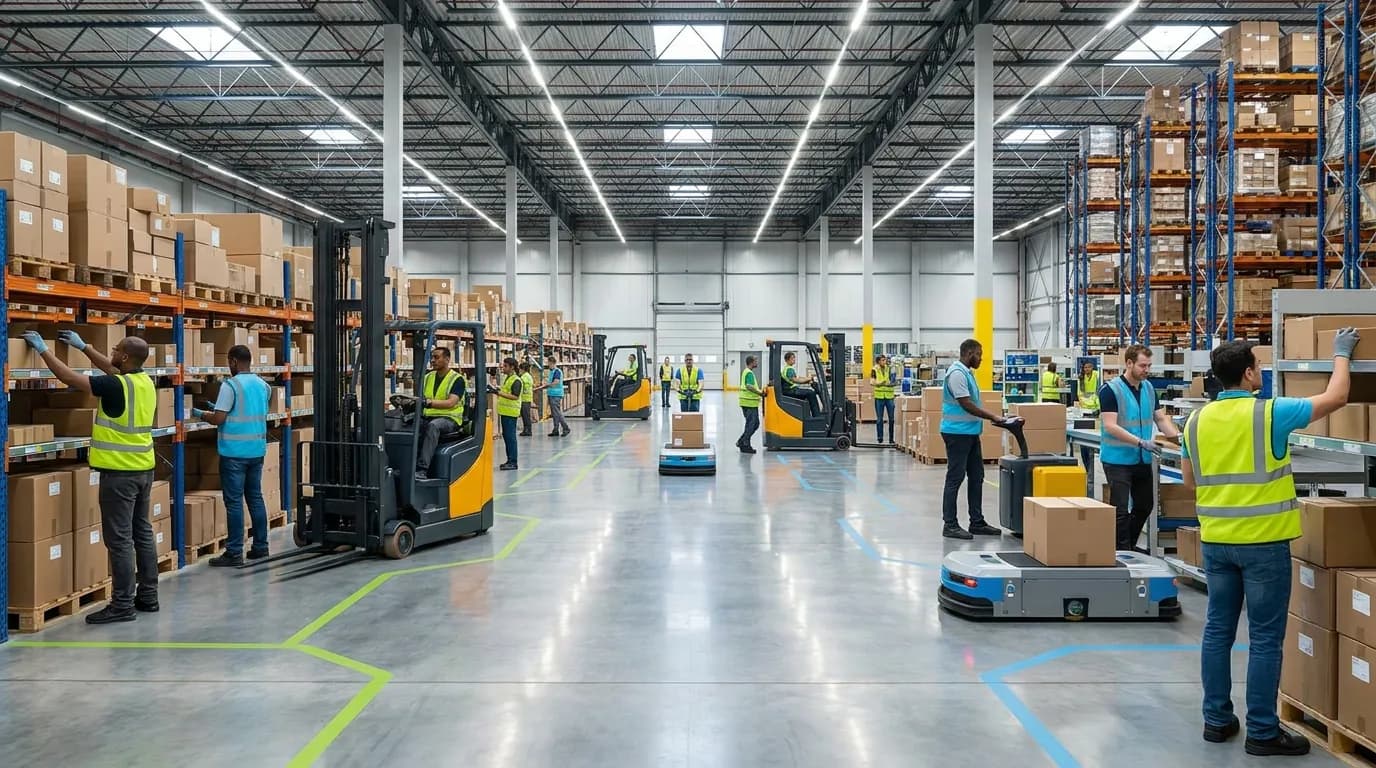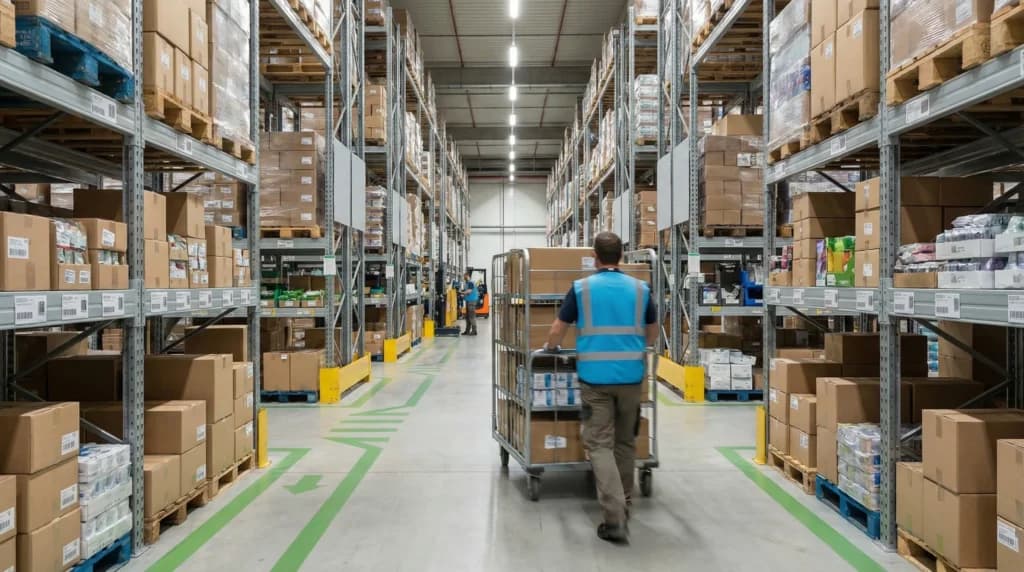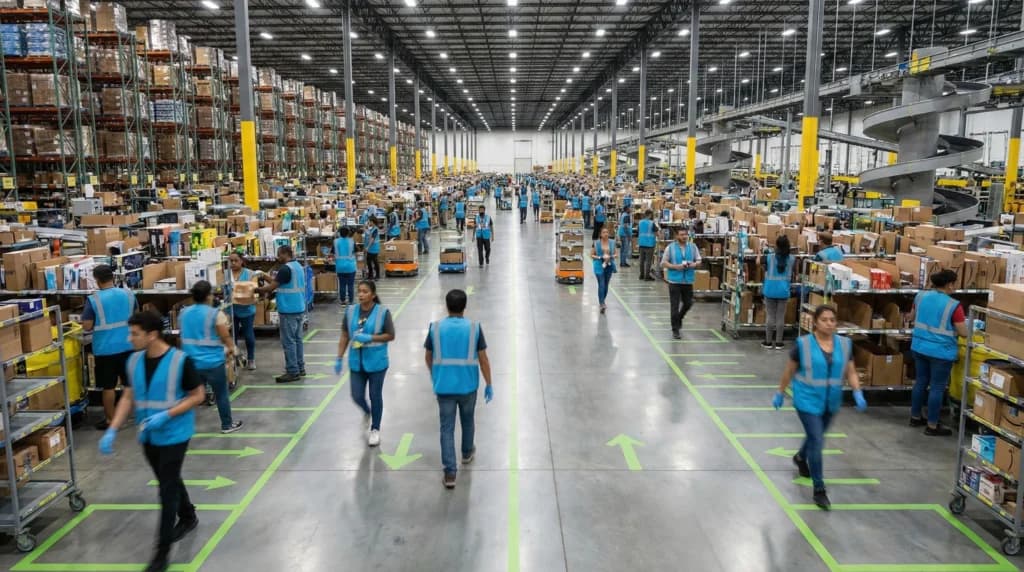
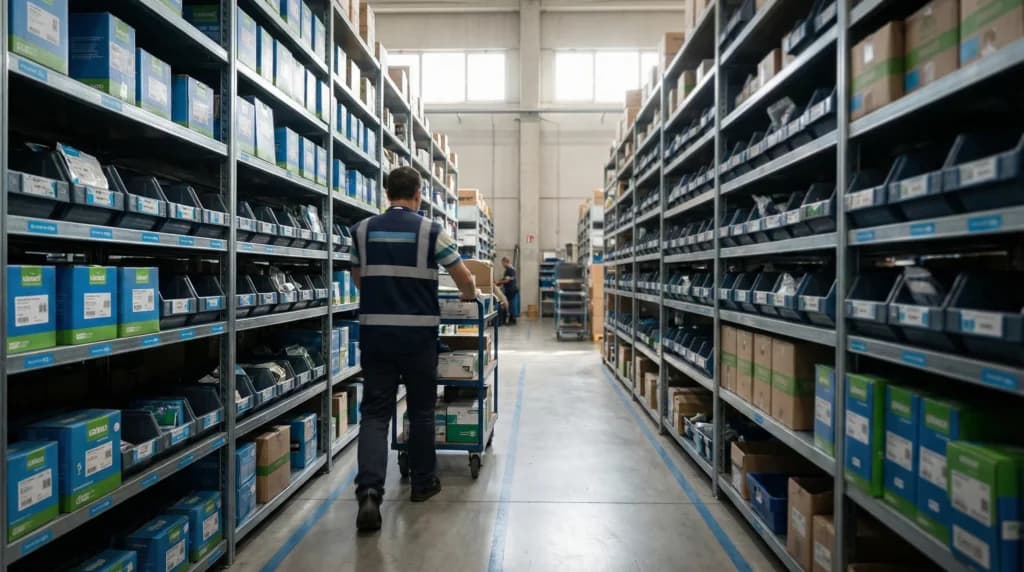
Inventory management systems for warehouse, order management system example, order fulfillment key performance indicators has become essential for modern businesses. You might be wondering why some warehouses consistently ship orders faster, with fewer errors, while others struggle to keep up. The difference often comes down to the systems running behind the scenes. Understanding inventory management systems for warehouse operations, studying a practical order management system example, and tracking order fulfillment key performance indicators can transform how your facility operates from top to bottom.
This guide answers the questions warehouse managers ask most frequently about these interconnected systems. We will walk through real-world applications, integration strategies, and the metrics that actually matter for measuring success. By the end, you will have a clear roadmap for improving your warehouse operations through smarter technology choices and data-driven decision making.
What Exactly Is an Order Management System and Why Does Your Warehouse Need One?
An order management system (OMS) serves as the central hub for processing, tracking, and fulfilling customer orders across all sales channels. Think of it as the brain that coordinates everything from the moment a customer clicks “buy” to when the package arrives at their door.
For warehouse managers, the question is not whether you need an OMS, but rather which capabilities matter most for your specific operation. Modern order management systems handle several critical functions that directly impact your bottom line.
Core Functions That Drive Warehouse Success
Order capture and validation happens automatically, pulling orders from multiple channels including e-commerce platforms, retail partners, and direct sales teams. The system validates payment information, checks inventory availability, and flags potential issues before they become costly problems.
Intelligent order routing determines the optimal fulfillment location based on inventory levels, shipping costs, and delivery timeframes. For warehouses operating multiple locations, this feature alone can reduce shipping expenses significantly.
- Automated order prioritization based on shipping method and customer tier
- Real-time inventory allocation to prevent overselling
- Exception handling for backorders, split shipments, and special requests
- Integration with shipping software and carrier systems for label generation and tracking
The best systems also provide visibility across the entire order lifecycle. Your customer service team can answer questions about order status without hunting through multiple systems or making calls to the warehouse floor.

How Do Inventory Management Systems for Warehouse Operations Work Together With Order Management?
Inventory management systems for warehouse operations track what you have, where it is located, and how quickly it moves. When these systems operate independently from order management, gaps appear. Orders get accepted for products that are not actually available. Warehouse staff waste time searching for items that the system says are in one location but have actually moved.
Integration eliminates these disconnects by creating a single source of truth for inventory data. When a customer places an order, the inventory system immediately reflects the allocation. When warehouse staff completes a receiving process, available-to-promise quantities update automatically across all sales channels.
What Are the Real Benefits of System Integration?
Real-time visibility into inventory levels enables better decision-making at every level of the organization. Purchasing managers can set reorder points based on actual consumption patterns rather than guesswork. Sales teams can confidently promise delivery dates knowing the inventory data they see is accurate.
Cross-departmental communication improves dramatically when everyone works from the same data. The accounting team reconciles inventory values without chasing down warehouse managers. Customer service representatives can provide accurate order updates without interrupting picking operations.
- Reduced stockouts through automated reorder triggers and demand forecasting
- Lower carrying costs by identifying slow-moving inventory before it becomes obsolete
- Improved order accuracy when pick lists reflect actual bin locations
- Faster cycle counts using perpetual inventory methods rather than annual physical counts
The financial impact of integration extends beyond operational efficiency. According to industry analysis from Supply Chain Dive, warehouses that connect their order and inventory systems typically see measurable improvements in both order processing speed and accuracy rates.
What Challenges Should You Expect During Integration?
System compatibility presents the first major hurdle. Legacy systems often use proprietary data formats that do not communicate easily with modern platforms. You may need middleware solutions or custom API integrations to bridge the gap between systems.
Data migration requires careful planning and execution. Inventory counts must be accurate before going live with an integrated system, or you will simply automate bad data. Many warehouse managers underestimate the time needed for data cleanup and validation.
Staff training cannot be treated as an afterthought. Even the most intuitive system requires training for users to take full advantage of its capabilities. Plan for role-specific training sessions, and identify power users who can support their colleagues after the initial implementation.
A phased implementation approach reduces risk considerably. Start with a single product category or sales channel to work through issues before expanding to your full operation. This allows your team to build confidence with the new system while maintaining business continuity.
Can You Show Me an Order Management System Example From the Real World?
Understanding how these systems work in practice helps clarify what success looks like for your operation. Consider two scenarios that illustrate both successful implementation and the process of overcoming common challenges.
Scenario 1: How a Growing E-Commerce Operation Achieved Successful Integration
Imagine a mid-sized e-commerce distributor handling consumer electronics and accessories. Before implementing an integrated order management approach, their team processed orders manually, copying data from their shopping cart platform into a separate warehouse management system.
This manual process created delays and errors. Orders sometimes sat for hours before warehouse staff saw them. Inventory updates lagged behind actual stock levels, leading to customer frustration when orders were accepted for out-of-stock items.
After implementing an integrated warehouse management software solution, the operation transformed. Orders flowed directly from sales channels to the warehouse floor within minutes. Inventory updates happened in real-time as products were received, picked, and shipped.
The results spoke for themselves. Order processing time dropped significantly as manual data entry disappeared from the workflow. Error rates declined because picking staff worked from system-generated pick lists with verified bin locations. Customer complaints about order status decreased because automated notifications kept buyers informed throughout the fulfillment process.
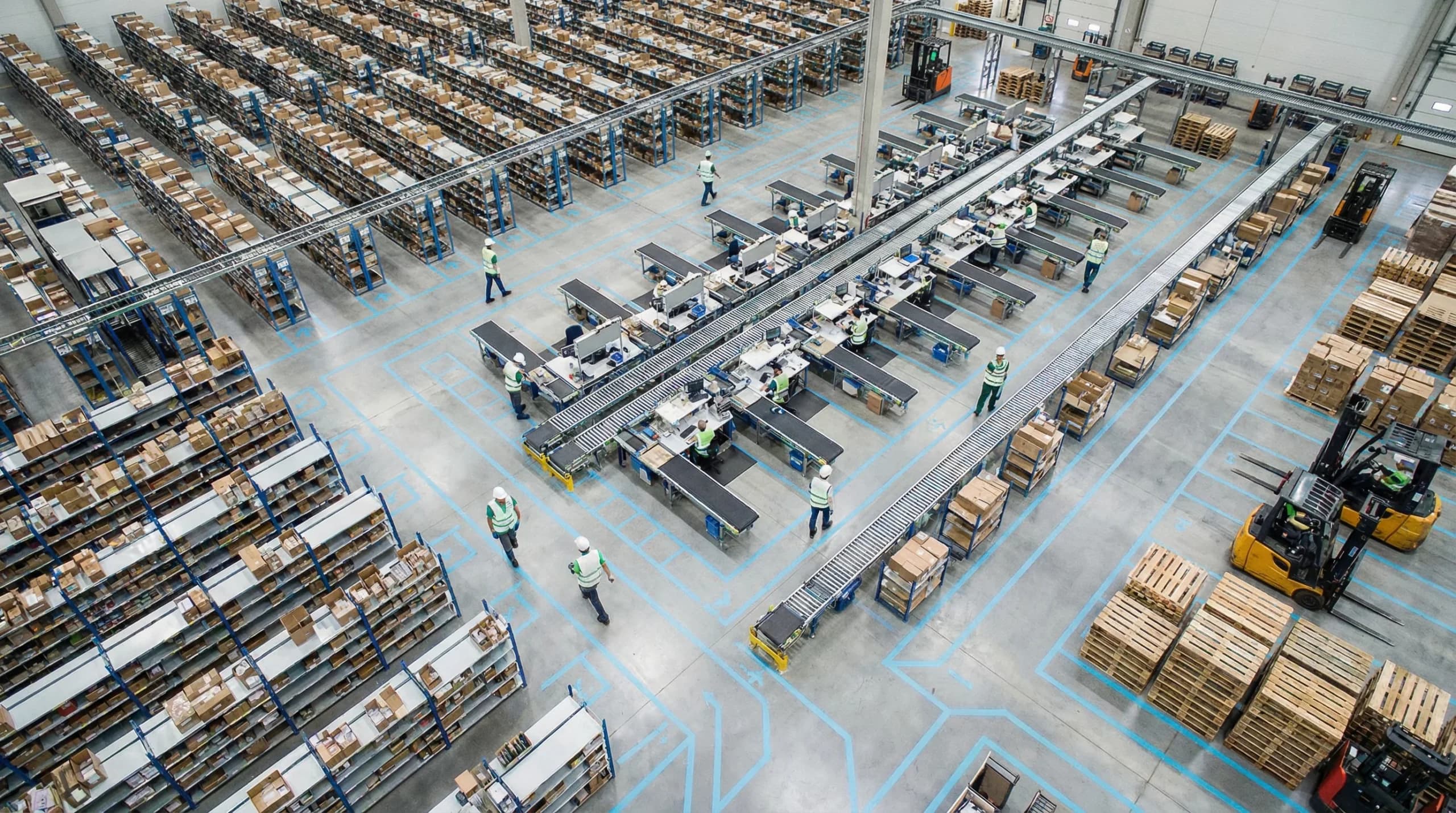
Scenario 2: How a Distribution Center Overcame Integration Challenges
Consider a wholesale distributor serving retail customers across multiple regions. Their initial integration attempt struggled because of data inconsistencies between their legacy ERP system and the new order management platform.
Product SKUs did not match between systems. Customer records contained duplicates and outdated information. Inventory quantities showed major discrepancies between the two platforms.
Rather than abandoning the project, the team adopted a more methodical approach. They dedicated two months to data cleanup before attempting integration again. This included standardizing product information, merging duplicate customer records, and conducting a complete physical inventory count.
The second implementation followed a phased rollout. They started with their highest-volume customers and most frequently ordered products. This smaller scope allowed them to identify and resolve issues quickly without disrupting the entire operation.
Support from technology partners proved essential during this process. Expert guidance helped the team configure EDI transaction processes that worked with their retail customers’ systems. The final result was a connected operation that handled order volume more efficiently than their previous setup.
Which Order Fulfillment Key Performance Indicators Should You Actually Track?
Order fulfillment key performance indicators tell you whether your systems and processes are working as intended. Without these metrics, improvement becomes guesswork. With them, you can identify bottlenecks, measure the impact of changes, and demonstrate value to stakeholders.
Not all KPIs deserve equal attention. Focus on metrics that directly connect to customer satisfaction and operational costs.
What Are the Essential KPIs Every Warehouse Should Monitor?
Order accuracy rate measures the percentage of orders shipped without errors. This includes correct products, correct quantities, correct packaging, and correct documentation. Industry leaders typically target accuracy rates above 99%, but your baseline will depend on your current processes and product complexity.
Order cycle time tracks the duration from order receipt to shipment. Breaking this metric into components – time to pick, time to pack, time to ship – helps identify where delays occur. Seasonal variations and order complexity affect this KPI, so track trends rather than obsessing over individual orders.
Inventory turnover reveals how efficiently you convert inventory investment into sales. Higher turnover generally indicates healthy demand and effective inventory management, though the ideal rate varies by industry. Too-high turnover might indicate you are frequently running out of stock, while too-low turnover suggests overstocking.
- Perfect order rate: Percentage of orders delivered complete, on time, undamaged, with correct documentation
- Fill rate: Percentage of customer orders fulfilled from available inventory without backorders
- Backorder rate: Percentage of orders that cannot be filled immediately due to stock shortages
- Cost per order: Total fulfillment cost divided by number of orders processed
- Receiving efficiency: Time from dock arrival to inventory availability in your system
Resources from Warehouse Automation provide additional benchmarking data that can help you understand how your metrics compare to industry standards.
How Can You Use KPIs to Actually Improve Performance?
Collecting data accomplishes nothing if you do not act on what it reveals. Establish a regular review cadence – weekly for operational metrics, monthly for trend analysis, quarterly for strategic planning.
Connect KPIs to specific improvement initiatives. If your order accuracy rate falls below target, investigate root causes. Are errors concentrated in certain product categories? Do they correlate with specific shifts or team members? Is the problem in picking, packing, or shipping?
Share relevant metrics with the teams responsible for influencing them. Warehouse floor staff respond better when they understand how their work contributes to overall performance. Visual dashboards displayed in work areas can reinforce the connection between daily activities and organizational goals.
Set realistic improvement targets based on your baseline performance. A warehouse with 95% order accuracy should not expect to reach 99.9% overnight. Incremental improvements of 0.5% to 1% per quarter represent meaningful progress that compounds over time.
Use KPI data to build business cases for technology investments. Concrete numbers showing how much errors cost your operation make it much easier to justify spending on system improvements or additional automation.

What Are the Best Practices for Implementing Order Management Systems in Warehouses?
Implementation success depends more on planning and change management than on the technology itself. Warehouses that rush implementation or skip preparation steps often end up with systems that underperform expectations.
What Steps Lead to Successful Implementation?
Start with a thorough assessment of your current state. Document existing processes, identify pain points, and quantify the costs of current inefficiencies. This baseline information guides system selection and helps measure improvement after implementation.
Define clear requirements before evaluating solutions. Distinguish between must-have features and nice-to-have capabilities. Consider not just your current needs but also where your business will be in three to five years. The system you choose should accommodate growth without requiring replacement.
Involve stakeholders from all affected departments early in the process. Warehouse staff, customer service teams, IT personnel, and finance all bring valuable perspectives. Their input improves system configuration and increases buy-in during rollout.
- Conduct a current-state assessment and document existing workflows
- Define business requirements and success criteria
- Evaluate vendors against your specific needs, not just feature lists
- Plan data migration and cleanup activities
- Configure the system to match your processes, not the other way around
- Develop comprehensive training programs for all user roles
- Execute a pilot program before full deployment
- Establish ongoing support and continuous improvement processes
Testing cannot be rushed. Create test scenarios that mirror real-world complexity, including edge cases and exception handling. Have actual users perform testing rather than relying solely on IT staff or vendor resources.
What Common Mistakes Should You Avoid?
Underestimating the time required for implementation leads to rushed decisions and inadequate preparation. Most warehouse management system implementations take three to six months for full deployment, depending on complexity. Add buffer time for unexpected challenges.
Neglecting change management dooms technically sound implementations. People resist change, especially when new systems alter familiar routines. Communicate early and often about why changes are happening and how they will benefit users.
Failing to clean up data before migration creates ongoing headaches. Bad data in your legacy system becomes bad data in your new system. Invest time in standardizing product information, verifying inventory counts, and cleaning up customer records before going live.
Skipping user training leaves powerful systems underutilized. Budget for initial training, refresher sessions, and documentation that users can reference on the job. Consider creating super-users within each department who can provide peer support.
Not defining success metrics makes it impossible to evaluate whether the implementation achieved its goals. Establish baseline measurements before implementation and track the same KPIs afterward to demonstrate value and identify areas needing additional attention.
How Should You Approach Security and Compliance in Your Systems?
Order and inventory data carries significant business value and often includes sensitive customer information. Protecting this data requires attention to both system security and regulatory compliance.
Look for systems that offer role-based access controls, allowing you to limit what each user can see and modify based on their job responsibilities. Audit trails that track who changed what and when provide accountability and support troubleshooting when problems arise.
If your business handles certain types of data or operates in regulated industries, compliance certifications matter. Systems with SOC 2 certification have demonstrated adherence to established security and availability standards through independent audits.
Data backup and disaster recovery capabilities protect against both technical failures and security incidents. Understand your vendor’s backup procedures, recovery time objectives, and your responsibilities in maintaining business continuity.
What Questions Should You Ask When Evaluating Order Management Solutions?
Vendor selection requires moving beyond marketing materials to understand how solutions will actually work in your environment. Prepare specific questions that reveal capabilities, limitations, and support quality.
Ask about integration capabilities with your existing systems. Request specific examples of integrations with platforms similar to yours. Generic claims about “easy integration” mean little without evidence from comparable implementations.
Understand the total cost of ownership beyond initial licensing or subscription fees. Implementation services, training, ongoing support, and future upgrades all contribute to long-term costs. Ask for references from customers of similar size and complexity who can speak to real-world expenses.
- How does the system handle peak volume periods? What are its practical throughput limits?
- What is the typical implementation timeline for organizations like ours?
- How are system updates delivered, and how much notice is provided for changes?
- What ongoing training resources are available for new staff?
- Can we speak with reference customers in similar industries?
Request demonstrations using scenarios specific to your operation rather than generic demos. A system might look impressive handling simple orders but struggle with the complexity your business actually encounters.
Moving Forward With Smarter Warehouse Operations
Effective order management, integrated inventory systems, and meaningful KPI tracking work together to create warehouses that run smoothly and scale efficiently. The concepts covered in this guide represent proven approaches used by successful operations across industries.
The path from current state to optimized operations requires careful planning, the right technology partners, and commitment to continuous improvement. Whether you are implementing your first formal system or upgrading from outdated solutions, the principles remain consistent: start with clear requirements, involve your team throughout the process, and measure results against defined success criteria.
Ready to explore how these concepts apply to your specific operation? Schedule a consultation with SphereWMS to discuss your warehouse management challenges and opportunities. Our team can help you evaluate your current systems, identify improvement opportunities, and develop a roadmap for implementation.
For a deeper exploration of order management strategies and best practices, learn more about warehouse management software capabilities and discover why logistics professionals choose SphereWMS for their operations. Your warehouse deserves systems that support your growth rather than limiting it.
Frequently Asked Questions
What is an inventory management system for warehouse efficiency?
An inventory management system for warehouse efficiency streamlines tracking and managing stock levels. It ensures real-time inventory data, reducing errors and improving order accuracy. By automating stock updates and providing insights into inventory trends, it helps in making informed purchasing decisions. This system is crucial for minimizing stockouts and overstock situations, enhancing overall warehouse productivity.
Can you give an order management system example?
An example of an order management system is a platform that integrates sales channels for seamless order processing. It automatically validates orders, checks inventory, and routes them for fulfillment, ensuring timely deliveries. Such systems often include features like real-time tracking and automated customer notifications. This integration helps businesses manage multiple sales channels efficiently, reducing manual errors and improving customer satisfaction.
What are key performance indicators for order fulfillment?
Key performance indicators for order fulfillment include order accuracy, delivery speed, and inventory turnover rate. These metrics help assess the efficiency and effectiveness of the fulfillment process. Monitoring these indicators ensures that orders are processed correctly and delivered on time, enhancing customer satisfaction. Additionally, tracking these KPIs can identify areas for improvement, leading to cost savings and operational efficiency.
How do inventory management systems for warehouse operations work?
Inventory management systems for warehouse operations work by automating stock tracking and replenishment processes. They provide real-time visibility into inventory levels, reducing errors and optimizing stock management. These systems integrate with order management platforms to ensure accurate order fulfillment and prevent overselling. By streamlining these processes, warehouses can improve efficiency, reduce costs, and enhance customer satisfaction.
Why are order fulfillment key performance indicators important?
Order fulfillment key performance indicators are important because they measure the efficiency and success of the fulfillment process. They provide insights into order accuracy, delivery times, and customer satisfaction levels. By tracking these metrics, businesses can identify bottlenecks and areas for improvement. This information helps in making data-driven decisions to enhance operational efficiency and customer experience.