

Inventory management software for ecommerce, best ecommerce inventory management software, ecommerce software with inventory management has become essential for modern businesses. You might be wondering how some ecommerce businesses seem to handle thousands of orders without breaking a sweat while others struggle with stockouts and overselling. The difference often comes down to one critical investment: inventory management software for ecommerce. Finding the best ecommerce inventory management software can transform chaotic operations into a well-oiled machine, but with dozens of options available, how do you know which solution fits your business? This guide answers the questions ecommerce owners ask most frequently about ecommerce software with inventory management capabilities, from essential features to real-world implementation strategies.
Whether you’re running a small Shopify store or managing a multi-channel operation across Amazon, eBay, and your own website, the right inventory system can mean the difference between profitable growth and costly mistakes. Let’s explore what matters most when choosing software that actually works for your business.
What Is Ecommerce Inventory Management Software and Why Does It Matter?
You’ve probably heard the term thrown around, but what exactly makes inventory management software for ecommerce different from traditional inventory systems? At its core, this software is designed specifically for online retail environments where orders come from multiple channels, customers expect fast shipping, and stock levels change by the minute.
Traditional inventory systems were built for brick-and-mortar retail where a single point of sale tracked purchases. Ecommerce operates differently. A customer in California might order from your Amazon store at the same moment someone in New York buys the same item through your website. Without software that syncs inventory across all channels in real time, you risk overselling items you don’t have or holding excess stock that ties up capital.
The best ecommerce inventory management software addresses these challenges through:
- Multi-channel synchronization that updates stock levels across all sales platforms instantly
- Automated reorder points that trigger purchase orders before stockouts occur
- Demand forecasting based on historical sales data and seasonal trends
- Warehouse location tracking for efficient picking and packing
- Integration with shipping carriers and fulfillment services
The stakes are high for getting this right. Overselling leads to canceled orders, refund requests, and negative reviews that damage your reputation. Understocking means missed sales opportunities during peak demand periods. Poor inventory visibility creates inefficiencies that eat into already thin ecommerce margins.

How Has Ecommerce Inventory Management Evolved?
The early days of online selling often involved spreadsheets and manual counts. Business owners would log into each marketplace separately, update quantities by hand, and hope nothing sold in the meantime. This approach worked when order volumes were low, but it became unsustainable as ecommerce grew.
Modern ecommerce software with inventory management has evolved to handle complexity that would have been unimaginable a decade ago. Cloud-based systems now process thousands of SKU updates per minute across dozens of channels simultaneously. Machine learning algorithms predict demand patterns with increasing accuracy. Mobile apps let warehouse workers scan barcodes and update inventory from anywhere on the floor.
The shift to cloud computing changed everything about how businesses approach inventory management. Instead of expensive on-premise servers requiring IT staff to maintain, companies now access powerful warehouse management software through simple web browsers. This democratization of technology means even small ecommerce operations can access tools that were once reserved for enterprise retailers.
What Features Should You Look for in Inventory Management Software for Ecommerce?
When evaluating inventory management software for ecommerce, you’ll encounter feature lists that seem endless. Which capabilities actually matter for day-to-day operations, and which are nice-to-have extras? Let’s break down the must-have features from the optional ones.
How Important Is Automation and Integration?
Automation ranks as the single most valuable feature in any ecommerce inventory system. Manual data entry introduces errors, consumes staff time, and creates delays that frustrate customers. The best systems automate routine tasks without requiring constant oversight.
Consider what happens when an order comes in through your website. Without automation, someone needs to manually reduce inventory counts, generate a pick list, update the warehouse management system, and adjust quantities on other sales channels. With proper automation, all of this happens instantly the moment payment clears.
Key automation capabilities to evaluate include:
- Automatic purchase order generation when stock hits reorder points
- Inventory level synchronization across all connected channels within seconds
- Automated allocation of stock to different warehouses or fulfillment centers
- Batch processing for bulk updates and imports
- Scheduled reports delivered to stakeholders without manual generation
Integration capabilities determine whether your inventory software plays nicely with other systems in your tech stack. The best ecommerce inventory management software connects directly with major platforms like Shopify, WooCommerce, Amazon, eBay, and Walmart Marketplace. Look for native integrations with your existing platforms rather than relying on third-party middleware that adds cost and complexity.
Beyond marketplace connections, consider integrations with accounting software like QuickBooks or Xero, shipping carriers such as FedEx and UPS, and fulfillment partners including 3PLs and dropshippers. Each integration point eliminates manual work and reduces error potential.
Why Does Real-Time Tracking Matter So Much?
Real-time inventory visibility seems like a basic expectation, but many systems still operate with delays that cause problems. A five-minute lag between a sale and inventory update might not sound significant until you realize how many orders can come through during a flash sale or holiday rush.
True real-time tracking means every transaction, whether incoming shipment, sale, return, or internal transfer, reflects immediately in your inventory counts. This visibility prevents overselling, enables accurate promise dates for customers, and gives you confidence to make decisions based on current data rather than yesterday’s numbers.
Real-time tracking also extends to warehouse operations. Modern systems track not just how many units you have, but exactly where they’re located within your facility. When a picker receives an order, they should know the precise bin location rather than searching shelves hoping to find the item.
Location tracking becomes especially valuable as businesses grow. Multiple warehouse operations, cross-docking arrangements, and zone picking strategies all depend on accurate, up-to-the-second location data. Without it, efficiency gains from smart warehouse layouts disappear into wasted walking time and search efforts.
What Are the Best Ecommerce Inventory Management Software Options Available?
Choosing the best ecommerce inventory management software requires matching your specific needs against available options. No single solution works perfectly for every business. A startup selling handmade items has different requirements than a high-volume distributor moving thousands of units daily.
What Criteria Should You Use for Selection?
Before comparing specific platforms, establish clear criteria that reflect your actual business needs. Many buyers get distracted by flashy features they’ll never use while overlooking basics that matter daily. Start with these fundamental questions:
Scale and growth trajectory: Where are you now, and where will you be in three years? Some systems work great for small operations but struggle at volume. Others require significant investment that only makes sense at larger scale. Choose software that fits both current operations and realistic growth projections.
Channel complexity: How many sales channels do you currently use, and which might you add? A single-channel Shopify store has simpler needs than a business selling through Amazon, eBay, Walmart, wholesale portals, and its own website simultaneously.
Warehouse operations: Do you fulfill orders yourself, use a 3PL, or mix both approaches? Self-fulfillment requires robust warehouse management features while outsourced fulfillment prioritizes data exchange with partners.
Technical resources: Does your team include technical staff who can handle complex implementations, or do you need something that works out of the box? Some powerful platforms require significant configuration while others prioritize ease of use over flexibility.
Budget constraints: What can you actually afford, including implementation costs, monthly fees, transaction charges, and staff training time? The cheapest option rarely delivers the best value, but overspending on features you don’t need wastes resources.
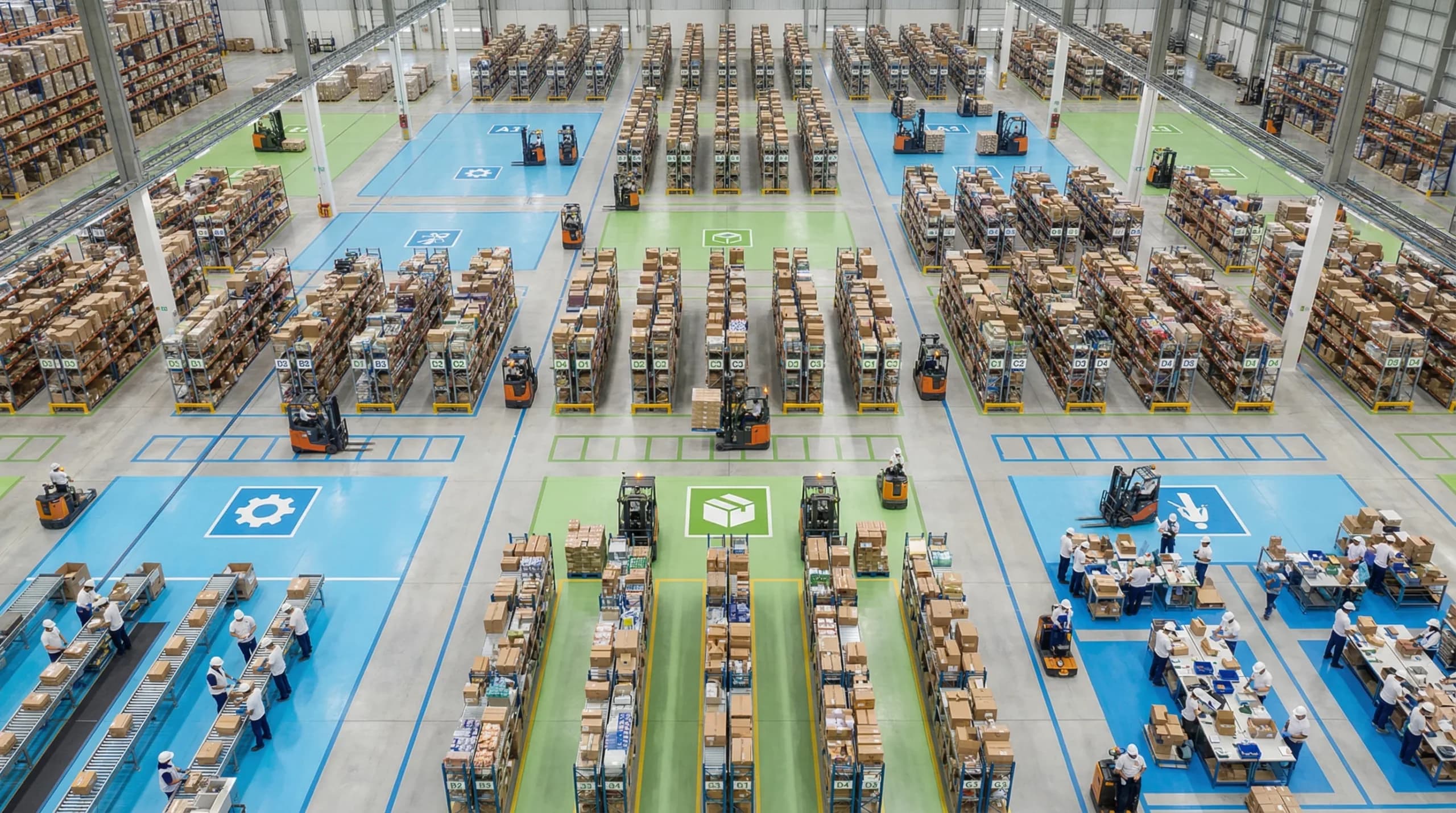
How Do Leading Platforms Compare on Features?
When comparing ecommerce software with inventory management capabilities, feature matrices help identify gaps and strengths. However, feature presence doesn’t equal feature quality. A system might claim to offer demand forecasting, but the actual accuracy varies dramatically between platforms.
Core feature categories to compare include:
Multi-channel inventory sync: Test how quickly inventory updates propagate across channels. Some systems update within seconds while others batch updates every 15 minutes or longer. During high-volume periods, those delays cause overselling.
Order management capabilities: Look beyond basic order import to examine how systems handle complications like split shipments, backorders, partial fulfillment, and customer-initiated changes. Real ecommerce operations encounter these situations constantly.
Reporting and analytics: Standard inventory reports provide baseline visibility, but advanced analytics reveal actionable insights. Demand forecasting accuracy, slow-mover identification, and profitability analysis by SKU help optimize inventory investment.
Warehouse management features: If you fulfill orders in-house, evaluate picking methodologies, wave planning, zone management, and put-away optimization. These features directly impact labor efficiency and order accuracy.
API and customization options: Standard integrations cover common needs, but unique workflows often require custom development. Evaluate API integration capabilities for building connections with specialized systems or proprietary tools.
Ecommerce businesses with complex fulfillment networks should also examine how platforms handle distributed inventory. Features like intelligent order routing, split shipment optimization, and multi-location available-to-promise calculations become essential when inventory spans multiple warehouses or fulfillment partners.
How Does Ecommerce Software with Inventory Management Enhance Business Operations?
Understanding features and comparing platforms matters, but what tangible business improvements can you expect from implementing proper inventory management software for ecommerce? The benefits extend far beyond simple stock counting into areas that directly impact profitability and customer satisfaction.
What Efficiency Gains Are Realistic?
Efficiency improvements from inventory management software typically appear in three areas: labor productivity, error reduction, and decision-making speed.
Labor productivity gains come from eliminating manual tasks and optimizing workflows. Consider the time spent manually entering data from supplier invoices, reconciling counts between systems, or searching for misplaced inventory. Automation handles these tasks instantly or eliminates them entirely. Staff previously dedicated to data entry can shift to value-adding activities like customer service or process improvement.
Warehouse labor efficiency also improves through smart pick path optimization, batch picking strategies, and accurate location tracking. Pickers spend less time walking and searching, more time actually filling orders. Many operations find that proper inventory software enables the same team to handle significantly higher order volumes without additional hiring.
Error reduction delivers both direct and indirect benefits. Fewer picking mistakes mean fewer returns and replacements. Accurate inventory counts prevent overselling and the customer service burden that follows. Automated data transfer eliminates transcription errors that cause shipping problems or accounting discrepancies.
Decision-making speed improves when accurate data is always available. Instead of waiting for weekly inventory reports or conducting manual audits before making purchasing decisions, managers access real-time dashboards showing exactly what’s in stock, what’s selling, and what needs replenishment. This visibility enables faster responses to market changes and emerging opportunities.
How Do Cost Reductions Add Up?
Cost reduction opportunities from inventory management software for ecommerce fall into several categories. Some savings appear immediately while others accumulate over time as better practices take hold.
Carrying cost reduction: Excess inventory ties up capital and incurs storage costs. Better demand forecasting and reorder point optimization help businesses maintain adequate stock without over-ordering. Reducing average inventory levels by even a modest percentage frees significant working capital, especially for businesses carrying hundreds or thousands of SKUs.
Stockout cost avoidance: Lost sales from stockouts represent real revenue that walked away. Beyond immediate lost revenue, stockouts damage customer relationships and seller ratings on marketplace platforms. Proactive replenishment alerts and accurate demand planning minimize these costly situations.
Labor cost efficiency: As mentioned earlier, automation reduces the hours required for inventory management tasks. But cost savings extend beyond direct labor. Fewer errors mean less time spent on corrections, customer complaints, and return processing. Managers spend less time troubleshooting data discrepancies and more time on strategic initiatives.
Reduced shrinkage: Accurate inventory tracking makes discrepancies visible quickly. When systems show inventory that doesn’t match physical counts, investigation can happen immediately rather than discovering problems during annual audits. This visibility discourages theft and catches process problems before they compound.
Shipping cost optimization: Some advanced systems include shipping software integration that helps select optimal carriers and services for each order. Combined with inventory distributed across multiple locations, these optimizations reduce per-order shipping costs substantially.
What Can You Learn from Successful Inventory Software Implementations?
Examining how other ecommerce businesses have implemented inventory management software reveals patterns and lessons applicable to your own situation. While specific results vary based on starting conditions and implementation quality, certain themes emerge consistently.
How Do Efficiency Improvements Actually Happen?
Imagine a mid-sized ecommerce operation selling consumer goods across Amazon, their own Shopify store, and several smaller marketplaces. Before implementing dedicated inventory software, their team spent hours daily reconciling inventory between systems. Orders occasionally shipped late because staff couldn’t quickly locate items in their warehouse. Overselling happened regularly during promotional periods, damaging their Amazon seller metrics.
After implementing ecommerce software with inventory management, their experience transformed in measurable ways. Real-time sync eliminated manual reconciliation entirely. Location tracking reduced average pick time from several minutes per order to under a minute. Automated low-stock alerts prevented stockouts that had previously caused order cancellations.
The operational changes extended beyond the warehouse. Customer service inquiries about order status dropped because tracking information updated automatically. Purchasing decisions improved with access to accurate demand history rather than gut feelings. The owner finally had visibility into true inventory costs and profitability by product line.
Key lessons from efficiency-focused implementations include:
- Start with clean data. Implementing new software on top of inaccurate inventory counts perpetuates problems rather than solving them.
- Train thoroughly before going live. Staff resistance often comes from unfamiliarity rather than system limitations.
- Measure before and after. Without baseline metrics, you can’t prove or quantify improvements.
- Plan for an adjustment period. Efficiency gains typically appear after initial learning curves flatten.

What Makes Integration Projects Succeed?
Consider a business operating their own online store alongside wholesale relationships and marketplace sales. Their challenge centered on integration. Different systems used different product identifiers. Inventory updates between platforms took hours. Orders from wholesale partners required manual entry into their fulfillment workflow.
Successful implementation of the best ecommerce inventory management software for their situation required mapping all product data to common identifiers, establishing API connections with wholesale partners, and creating automated workflows for different order types.
The integration work revealed data quality issues they hadn’t recognized. Product descriptions varied between channels. Pricing inconsistencies confused customers comparing options. SKU naming conventions made no logical sense. Addressing these issues during implementation improved operations beyond just inventory management.
Post-implementation, their multi-channel business runs through a single system. Wholesale orders flow automatically into fulfillment queues. Inventory accuracy improved dramatically. Staff previously dedicated to data entry transitioned to customer relationship management and sales growth activities.
Integration success factors identified from similar projects include:
- Document existing workflows before changing them. Understanding current processes prevents accidentally breaking something that works.
- Prioritize integrations by impact. Connect high-volume channels first rather than trying to do everything simultaneously.
- Test thoroughly in staging environments. Production data surprises cause expensive problems.
- Plan for ongoing maintenance. Marketplace APIs change. Partner systems update. Someone needs to monitor and adjust.
How Do You Choose the Right Inventory Management Software for Your Ecommerce Business?
After understanding features, comparing options, and learning from others’ experiences, you face the actual decision. Choosing inventory management software for ecommerce represents a significant commitment of time and resources. Getting it right requires honest self-assessment and careful evaluation.
What Questions Should You Ask Before Deciding?
Before requesting demos or comparing pricing, answer these internal questions honestly:
What problems are you actually solving? List specific pain points rather than general desires. “We oversold during Black Friday and had to cancel orders” is more actionable than “we want better inventory management.” Specific problems help evaluate whether proposed solutions actually address your needs.
What resources can you commit to implementation? Software only works if people use it properly. Do you have staff time for training? Budget for professional implementation services? Technical resources for custom integrations? Underestimating implementation requirements causes projects to fail.
What does success look like? Define measurable outcomes you expect from the investment. Reduced order processing time, improved inventory accuracy, lower carrying costs, fewer customer complaints. These metrics help evaluate ROI and identify whether the software delivers as expected.
What’s your realistic timeline? Some businesses need solutions immediately while others can plan carefully. Rushing implementation to meet an arbitrary deadline often sacrifices quality. But taking too long means continued suffering from current problems.
Who will own this system ongoing? Software requires maintenance, updates, and optimization over time. Identify who will monitor performance, troubleshoot issues, and ensure the system continues meeting business needs as operations evolve.
What Should Your Evaluation Process Include?
A structured evaluation process helps compare options objectively rather than getting swayed by sales presentations or feature lists. Follow these steps for thorough assessment:
Create a requirements document. List must-have features, nice-to-have features, and deal-breakers. Include integration requirements, volume expectations, and budget parameters. Share this document with vendors so their responses address your actual needs.
Request detailed demonstrations. Generic demos show software at its best. Insist on seeing how the system handles your specific scenarios. Bring real examples of complicated orders, unusual inventory situations, or challenging workflows. Watch how easily the system handles edge cases.
Check references thoroughly. Ask vendors for references from businesses similar to yours in size, complexity, and industry. When speaking with references, ask about implementation challenges, ongoing support quality, and whether they’d make the same choice again.
Evaluate the vendor, not just the software. Software companies come and go. Evaluate financial stability, customer support reputation, and product development trajectory. A great product from a struggling company creates risk. A good product from a stable company with strong support may serve you better long-term.
Negotiate based on value. Pricing structures vary dramatically between vendors. Some charge per user, others per order volume, still others based on SKU counts. Understand what drives costs in each model and negotiate structures that align with your usage patterns.
For businesses evaluating comprehensive solutions, exploring why companies choose particular platforms provides insight into decision factors that matter most for similar operations.
What Steps Should You Take to Get Started?
Moving from evaluation to implementation requires structured planning and realistic expectations. The best ecommerce inventory management software only delivers value when properly configured and consistently used. Here’s how to set yourself up for success.
Audit your current inventory data. Before migrating to any new system, assess the accuracy of existing inventory records. Conduct physical counts of high-value or high-velocity items. Reconcile discrepancies between different systems you currently use. Clean data going into a new system prevents garbage-out problems.
Map your processes thoroughly. Document how orders currently flow from receipt through fulfillment. Identify who does what, what systems they touch, and where handoffs occur. This documentation guides configuration decisions and highlights automation opportunities.
Plan for parallel operations. Most successful implementations run old and new systems simultaneously for a period. This parallel operation provides fallback options if problems emerge and allows side-by-side comparison to verify the new system works correctly.
Invest in training. The best software fails when people don’t know how to use it. Budget time and resources for comprehensive training covering not just basic operations but also troubleshooting common issues and leveraging advanced features.
Establish success metrics early. Before going live, document current performance on key metrics. Order processing time, inventory accuracy, stockout frequency, pick error rates. These baselines prove improvement and identify areas needing additional attention.
Effective inventory management is a foundational capability for ecommerce success. As order volumes grow and customer expectations increase, manual processes and disconnected systems become increasingly costly. The right inventory management software for ecommerce provides the visibility, automation, and control needed to compete effectively.
Whether you’re struggling with overselling, drowning in manual data entry, or simply unable to see what’s actually in your warehouse, modern inventory solutions address these challenges directly. The investment in proper systems pays dividends through reduced costs, improved efficiency, and better customer experiences.
Ready to see how proper inventory management can transform your ecommerce operations? Schedule a demo with SphereWMS to explore solutions designed specifically for complex ecommerce fulfillment. Or learn more about warehouse management capabilities that help businesses like yours achieve operational excellence. Your inventory challenges have solutions, and the right partner can help you implement them effectively.
Frequently Asked Questions
What is inventory management software for ecommerce?
Inventory management software for ecommerce is a tool designed to manage stock levels across online sales channels. It synchronizes inventory data in real time, preventing overselling and stockouts. This software is essential for handling orders from multiple platforms like Amazon and eBay. By automating tasks such as reorder points and demand forecasting, it streamlines operations and enhances efficiency.
Why is the best ecommerce inventory management software important?
The best ecommerce inventory management software is crucial for efficient online retail operations. It ensures real-time stock updates across all sales channels, preventing overselling and understocking. This software also automates key tasks like order tracking and demand forecasting. By integrating with shipping carriers, it further optimizes the fulfillment process, enhancing customer satisfaction.
How does ecommerce software with inventory management prevent overselling?
Ecommerce software with inventory management prevents overselling by synchronizing stock levels across all sales platforms. It updates inventory data in real time, ensuring accurate availability information. This synchronization helps avoid selling items that are out of stock, reducing the risk of canceled orders and negative customer feedback. Automated reorder points also ensure timely restocking.
What features should the best ecommerce inventory management software have?
The best ecommerce inventory management software should include multi-channel synchronization, automated reorder points, and demand forecasting. These features ensure efficient stock management and prevent overselling. Integration with shipping carriers and warehouse location tracking are also critical for streamlined operations. These capabilities help maintain optimal inventory levels and enhance overall business efficiency.
How does inventory management software for ecommerce improve efficiency?
Inventory management software for ecommerce improves efficiency by automating stock level updates and order tracking. It reduces manual errors and streamlines operations through real-time synchronization. The software also offers demand forecasting, helping businesses plan inventory needs accurately. By integrating with fulfillment services, it further optimizes the picking, packing, and shipping processes.