Discover how to protect your warehouse with the latest in security camera technology.
In today’s fast-paced world, warehouse security is no longer just a luxury – it’s a necessity. As warehouses become bigger and more complex, the need for robust security measures becomes even more critical. One key component of any comprehensive warehouse security system is the installation of security cameras. In this essential guide, we will delve into the importance of warehouse security cameras, the different types available, key features to look for, and tips for positioning and maintaining your camera system.
Understanding the Importance of Warehouse Security Cameras
Warehouse security cameras play a pivotal role in safeguarding your assets and enhancing the overall security of your facility. By capturing real-time footage and providing a visual documentation of activities, security cameras act as a powerful deterrent against theft, vandalism, and unauthorized access. They enable you to monitor your warehouse remotely and gather crucial evidence in case of any security incidents.
The Role of Security Cameras in Warehouse Management
Beyond security, warehouse cameras serve as valuable tools for optimizing your warehouse operations. With the ability to monitor employee productivity, assess workflow efficiency, and identify bottlenecks, security cameras offer insightful data to improve your overall warehouse management strategy. By capturing footage of loading and unloading processes, cameras can also help identify potential safety hazards and prevent accidents from occurring.
Protecting Your Assets: Why Security Cameras are Essential
Warehouses house valuable goods and assets. Without proper security measures in place, these assets are at risk of theft or damage. Security cameras act as constant guardians, keeping a vigilant eye on your warehouse 24/7. In the event of a break-in, the recorded footage can assist law enforcement in identifying the culprits and recovering stolen items. Furthermore, cameras help deter internal theft, minimizing losses caused by employee misconduct.
Moreover, security cameras provide an added layer of protection against false liability claims. In the unfortunate event of an accident or injury within your warehouse, having video evidence can help establish the facts and prevent fraudulent claims. This not only saves you from potential legal battles but also ensures a safer working environment for your employees.
Additionally, security cameras can contribute to improving the overall efficiency of your warehouse operations. By monitoring the movement of goods and personnel, you can identify areas where processes can be streamlined, leading to cost savings and increased productivity. The data collected from security cameras can be analyzed to identify patterns and trends, allowing you to make informed decisions about resource allocation and workflow optimization.
Different Types of Warehouse Security Cameras
When it comes to warehouse security cameras, you have a range of options to choose from. Two primary types are wired and wireless cameras, each with its own set of advantages and considerations.
Let’s delve deeper into the world of warehouse security cameras and explore the fascinating details of wired and wireless options.
Exploring Wired vs. Wireless Security Cameras
Wired cameras, as the name suggests, require physical cabling for power and data transmission. This wired connection offers a reliable and stable connection, ensuring uninterrupted surveillance even in the most demanding environments. The physical connection eliminates any concerns about signal interference or potential hacking vulnerabilities. It’s like having a direct line of communication between the camera and the monitoring system, providing peace of mind for warehouse owners and security personnel.
On the other hand, wireless cameras rely on Wi-Fi or cellular networks to transmit video footage. This wireless capability provides flexibility in terms of installation and scalability. You can easily place the cameras in optimal locations without worrying about the limitations of physical cabling.
Wireless cameras are particularly beneficial for warehouses with complex layouts or those that require frequent camera repositioning. However, it’s important to note that their performance can be influenced by network reliability and signal strength. Ensuring a robust network infrastructure is crucial for seamless video transmission.
The Pros and Cons of IP Cameras
IP (Internet Protocol) cameras, also known as network cameras, have gained popularity in recent years due to their advanced features and capabilities. These cameras use digital technology to transmit and receive data over an IP network, allowing for remote access and viewing through a computer or mobile device. This means that warehouse owners and security personnel can monitor the premises from anywhere in the world, enhancing convenience and enabling quick response to any potential security threats.
However, it’s important to consider that IP cameras may require additional network infrastructure and higher bandwidth compared to traditional analog cameras. The increased data transmission demands of IP cameras necessitate a robust network infrastructure to ensure smooth video streaming and storage. Additionally, the initial setup and configuration of IP cameras may require technical expertise, but the benefits they offer in terms of remote access and advanced features make them a worthwhile investment for many warehouses.
The Benefits of Multi-Camera Systems
In larger warehouses, a single camera may not provide adequate coverage to effectively monitor the entire space. That’s where multi-camera systems come into play. By strategically placing cameras in different areas, you can achieve comprehensive surveillance of the entire warehouse, minimizing blind spots and increasing the chances of detecting any security breaches.
Multi-camera systems can also be integrated with advanced analytics software for intelligent video analysis and automated alert generation. This means that the cameras can not only capture video footage but also analyze it in real-time, identifying suspicious activities or anomalies. The integration of analytics software enables proactive security measures, such as generating alerts when unauthorized access is detected or when predefined security thresholds are exceeded.
Furthermore, multi-camera systems can be customized to meet specific warehouse requirements. For example, you can set up cameras with different focal lengths to cover wide areas or zoom in for detailed monitoring of specific zones. This flexibility allows for a tailored security solution that aligns with the unique needs of your warehouse.
Key Features to Look for in a Warehouse Security Camera
When selecting a security camera for your warehouse, it’s important to consider specific features that suit your needs and ensure optimal performance. Warehouses are critical spaces that require robust security measures to protect valuable inventory and assets. Investing in the right security camera system can provide peace of mind and enhance overall safety within the facility.
One crucial feature to prioritize is the camera’s durability and weather resistance. Warehouses can be challenging environments with fluctuating temperatures, dust, and potential exposure to moisture. Opt for cameras that are specifically designed to withstand these conditions, ensuring reliable performance regardless of the weather or external factors.
Resolution and Image Quality
High-resolution cameras with excellent image quality are crucial for capturing clear and detailed footage. Look for cameras with at least 1080p resolution or higher to ensure that important details, such as license plate numbers or facial features, are easily identifiable. In a warehouse setting, where large spaces and varying lighting conditions can impact image clarity, investing in high-quality cameras can make a significant difference in monitoring and identifying potential security threats.
Night Vision Capabilities
Warehouses often operate around the clock, meaning your security cameras need to be able to capture clear footage in low-light conditions. Look for cameras with infrared (IR) or low-light technologies that enable them to capture sharp images even in complete darkness. Enhanced night vision capabilities not only ensure continuous surveillance but also provide crucial visibility during nighttime hours when security risks may be heightened.
Motion Detection and Alerts
Cameras equipped with motion detection capabilities can help you conserve storage space and focus on important events. These cameras only record when motion is detected, sending alerts to your mobile device or email whenever suspicious activity occurs. By leveraging motion detection technology, warehouse managers can efficiently monitor the premises and respond promptly to any unauthorized access or unusual movements, enhancing overall security protocols.
Positioning Your Warehouse Security Cameras
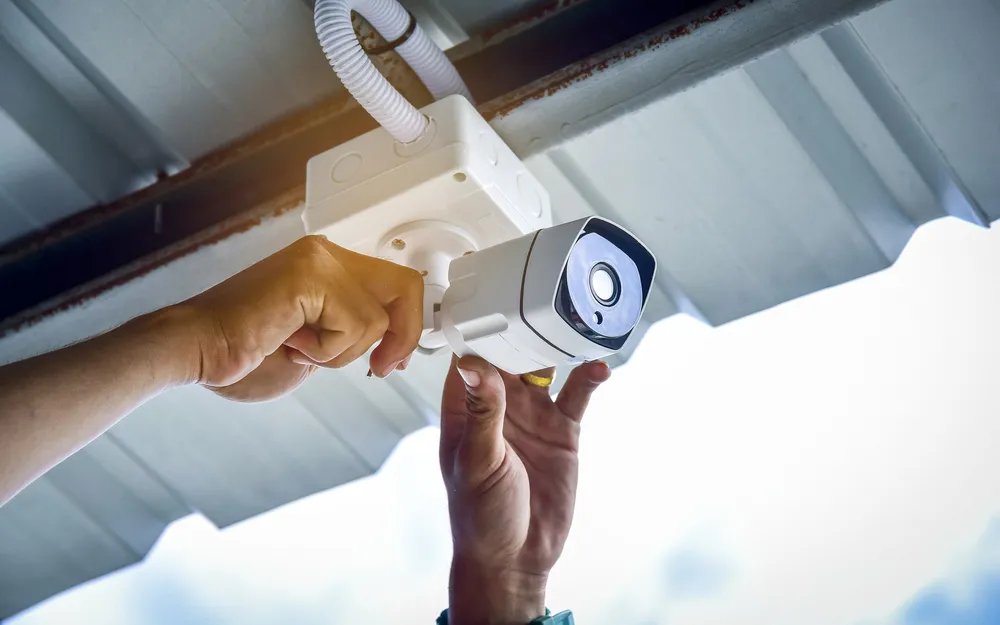
Proper camera placement is key to ensuring optimal coverage and maximizing the effectiveness of your security system.
Identifying Key Areas for Camera Placement
Start by identifying critical areas within your warehouse that require surveillance, such as entrances, exits, loading docks, storage areas, and high-value asset locations. These areas are prime targets for theft or unauthorized access and warrant extra attention to ensure their security.
Balancing Coverage and Privacy
While it’s essential to have comprehensive coverage, it’s also important to respect privacy boundaries. Avoid placing cameras in unauthorized areas, such as restrooms or employee break rooms, which can result in legal implications. Striking the right balance between coverage and privacy is crucial for maintaining a safe and respectful work environment.
Maintaining and Upgrading Your Security Camera System
Once your warehouse security camera system is installed, proper maintenance and regular upgrades are necessary to ensure its ongoing performance.
Regular Maintenance Checks for Optimal Performance
Perform routine checks on your cameras to ensure they are functioning correctly. Regularly clean camera lenses to remove any dust or debris that could interfere with image quality. Additionally, check cabling, power supplies, and network connections to minimize the chances of camera failure.
When and Why to Upgrade Your Security Cameras
Advancements in technology occur rapidly, and it’s crucial to keep up with the latest developments in the security camera industry. You may consider upgrading your cameras if you notice declining video quality, limited coverage, or if new features, such as artificial intelligence-based video analytics, can enhance the security and efficiency of your warehouse operations.
Integrating SphereWMS for Enhanced Security
To achieve optimal control over your warehouse inventory and operations, incorporating a comprehensive warehouse management system like SphereWMS is crucial. SphereWMS provides a suite of features that streamline your warehouse processes while significantly enhancing security measures. With real-time inventory tracking, automated alerts, and seamless integration with your existing security infrastructure, SphereWMS ensures you have full visibility and control over your warehouse activities. This integration not only aids in swiftly identifying and addressing potential security threats but also supports the overall efficiency and integrity of your business operations.
Cost Considerations for Warehouse Security Camera Systems
Understanding the financial investment required for warehouse security cameras helps businesses make informed decisions that balance security needs with budget constraints. The total cost of ownership extends beyond initial equipment purchases to include installation, maintenance, and ongoing operational expenses.
Initial Investment and Equipment Costs
A basic warehouse security camera system typically ranges from $2,000 to $15,000 for smaller facilities, while larger warehouses may require investments of $25,000 to $100,000 or more. Key cost factors include:
- Camera quantity and quality: Industrial-grade cameras suitable for warehouse environments cost $200-$800 per unit
- Storage solutions: Network video recorders (NVRs) and cloud storage subscriptions add $500-$3,000 annually
- Infrastructure requirements: Network switches, cables, and power supplies can add 20-30% to camera costs
- Professional installation: Labor typically accounts for 15-25% of total project costs
Ongoing Operational Expenses
Monthly and annual costs for warehouse security camera systems include monitoring services ($50-$300 per month), software licensing fees, and routine maintenance. Cloud-based systems often provide predictable monthly costs, while on-premise solutions may have higher upfront costs but lower ongoing expenses. Energy consumption for cameras in warehouse environments typically adds $10-$50 per camera annually to electricity bills.
Compliance and Legal Requirements for Warehouse Surveillance
Warehouse security cameras must comply with various federal, state, and local regulations while respecting employee privacy rights. Understanding these legal frameworks ensures your surveillance system provides security benefits without creating liability risks.
Employee Privacy and Notification Requirements
Most jurisdictions require employers to notify workers about workplace surveillance systems. Common requirements include:
- Written notification: Include camera policies in employee handbooks and post visible signage
- Restricted areas: Cameras cannot monitor break rooms, restrooms, or other areas where privacy is expected
- Audio recording limitations: Many states have stricter rules for audio surveillance than video monitoring
- Union considerations: Unionized workplaces may require negotiation before implementing new surveillance measures
Industry-Specific Compliance Standards
Different industries have specific requirements for warehouse security camera systems. Food and pharmaceutical warehouses must comply with FDA regulations, while facilities handling hazardous materials face additional OSHA requirements. Companies processing credit card information need PCI DSS compliance, which often includes specific surveillance and access control measures. International businesses should also consider GDPR requirements when cameras capture images of EU residents or employees.
Advanced Analytics and Smart Features in Modern Warehouse Cameras
Today’s warehouse security camera systems extend far beyond basic recording capabilities, incorporating artificial intelligence and analytics to provide actionable insights for operations and security teams.
AI-Powered Detection and Recognition
Modern cameras in warehouse settings can automatically identify and track various activities without human intervention. Advanced features include:
- People counting: Track employee traffic patterns and identify overcrowding in specific areas
- Vehicle detection: Monitor forklift operations and loading dock activities for safety compliance
- Object recognition: Identify when products are moved, damaged, or improperly stored
- Behavior analysis: Detect unusual activities like extended loitering or unauthorized access attempts
Integration with Operational Systems
Smart warehouse security camera systems can integrate with existing warehouse management platforms to provide comprehensive operational oversight. These integrations enable automatic incident reporting when cameras detect safety violations, inventory discrepancies, or security breaches. Some systems can trigger automated responses, such as locking doors when unauthorized access is detected or sending alerts to security personnel when cameras identify potential theft activities. This level of integration transforms security cameras from passive recording devices into active components of warehouse management and loss prevention strategies.
Common Security Vulnerabilities in Warehouse Environments
Warehouses face unique security challenges that require specific camera solutions and strategies. Understanding these vulnerabilities helps determine the most effective surveillance approach for your facility.
Blind Spots and High-Risk Areas
Large warehouse spaces often contain numerous blind spots that create security risks. Loading docks represent the highest vulnerability, with 68% of warehouse theft incidents occurring in these areas according to industry data. Receiving areas, storage aisles with high-value inventory, and employee break rooms also require strategic camera coverage.
Key blind spot locations include:
- Behind tall storage racks and equipment
- Corners where walls meet at acute angles
- Areas obstructed by forklifts or temporary displays
- Emergency exits and fire door locations
- Parking areas and perimeter boundaries
Environmental Challenges Affecting Camera Performance
Warehouse environments present harsh conditions that can compromise camera effectiveness. Temperature fluctuations from loading dock openings can cause condensation on lenses, while dust and debris from material handling activities can obstruct camera views. Forklift traffic creates vibrations that may misalign mounted cameras over time.
Industrial lighting conditions also pose challenges, with areas transitioning from bright fluorescent zones to dimly lit storage sections requiring cameras with excellent dynamic range capabilities.
ROI and Performance Metrics for Warehouse Security Camera Systems
Measuring the return on investment for warehouse security cameras requires tracking specific metrics that demonstrate both security improvements and operational benefits.
Security-Related ROI Indicators
Theft reduction typically shows the most immediate ROI impact. Companies report average inventory shrinkage reductions of 35-50% within the first year of comprehensive camera system implementation. Insurance premium reductions averaging 10-15% also contribute to measurable savings.
Additional security metrics include:
- Incident response time improvements (average 40% faster)
- Successful prosecution rates for theft cases (increased to 85-90%)
- Reduced security guard requirements in monitored areas
- Lower employee turnover due to improved workplace safety perception
Operational Efficiency Gains
Beyond security, warehouse cameras provide operational insights that drive efficiency improvements. Process optimization through video analysis helps identify workflow bottlenecks, with companies reporting 15-25% productivity gains in monitored areas.
Measurable operational benefits include:
- Reduced workers’ compensation claims through safety monitoring
- Faster incident investigation and resolution times
- Improved inventory accuracy through visual verification processes
- Enhanced quality control monitoring capabilities
Most warehouse operators achieve full ROI on their camera systems within 18-24 months when factoring in both security and operational improvements.
Conclusion
Warehouse security cameras are a vital component of a comprehensive security strategy. With the right cameras, proper positioning, and regular maintenance, you can enhance the safety and security of your warehouse while optimizing your overall operations. Invest in the right security camera system today and gain peace of mind knowing that your assets are protected.Ready to enhance your warehouse security and efficiency? Contact us today to learn how SphereWMS can help you achieve optimal control over your operations and safeguard your valuable assets.
Frequently Asked Questions
What types of security cameras work best for warehouses?
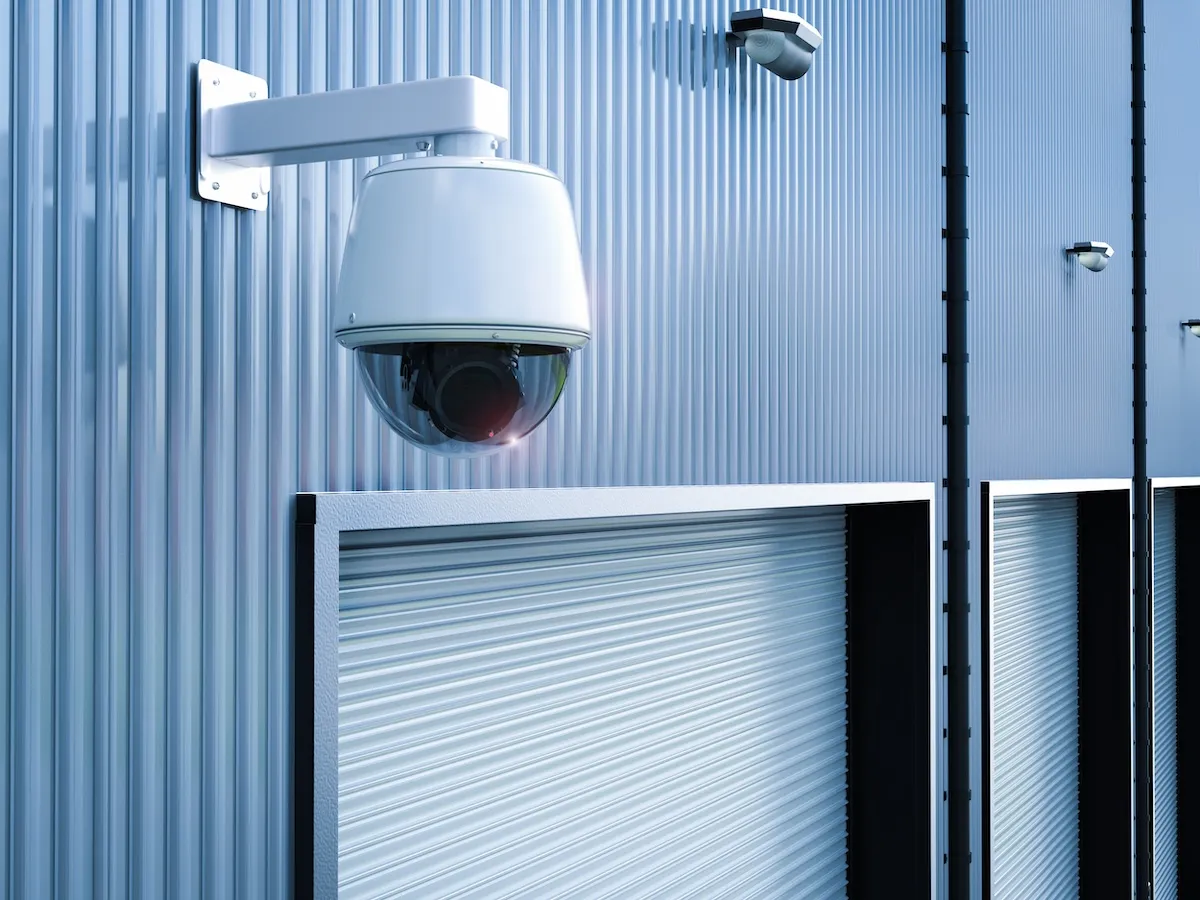
IP cameras with high resolution (1080p or higher) provide clear footage for identifying individuals and reading labels. PTZ (pan-tilt-zoom) cameras cover large areas with remote control capability. Dome cameras resist tampering and vandalism. For outdoor loading docks, choose weatherproof cameras with infrared night vision to maintain visibility in all conditions.
How many security cameras does a typical warehouse need?
Camera count depends on facility size, layout, and security priorities. Cover all entry and exit points, loading docks, high-value storage areas, and cash handling locations as minimum requirements. Large facilities may need dozens of cameras for comprehensive coverage. Conduct a security assessment to identify blind spots and vulnerable areas requiring additional monitoring.
Should warehouse cameras record continuously or use motion detection?
Motion-activated recording conserves storage space and makes reviewing footage easier by focusing on activity periods. However, continuous recording ensures nothing is missed, which is important for high-security areas and liability protection. Many facilities use hybrid approaches with continuous recording at entry points and motion detection in lower-traffic zones.
How long should warehouse security footage be retained?
Retain footage for at least 30 days to allow time to discover and investigate incidents. Many businesses keep 60-90 days for thorough investigation capability. Some industries have regulatory requirements for longer retention. Consider cloud storage for longer archives while keeping recent footage on local NVRs for quick access.
Can security cameras integrate with warehouse management systems?
Modern security systems integrate with WMS platforms to correlate video footage with specific transactions. When inventory discrepancies occur, you can quickly pull video from the exact time and location of the transaction. This integration dramatically speeds investigation of theft, damage claims, and training opportunities for staff performance improvement.